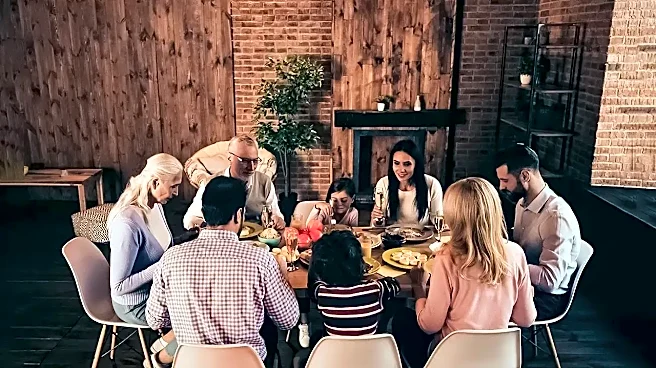

The annual pilgrimage home for the holidays is a familiar blend of comfort and chaos. You brace for the regression, the slip back into teenage roles. But for many adult children, a new, unexpectedly sweet
dynamic is emerging amid the noise.
More Than Just Muscle Memory
Walking through your parents’ front door can feel like stepping into a time machine. The scent of the house, the placement of the furniture, the specific squeak of the third stair—it all triggers a kind of psychological muscle memory. Social psychologists call this phenomenon the 'relational self', where being around family automatically brings back the self you were with them, even if you’ve changed significantly since leaving home. For years, this meant slipping back into the role of 'the child'. You’d drop your bags, raid the fridge, and maybe leave a few dishes by the sink, all while navigating the familiar rhythms and unresolved tensions of family life. The experience is so common it has a name: holiday regression.
The Quiet Role Reversal
But something is shifting. That old dynamic is being overlaid with a new one, and it's the source of that unexpectedly sweet moment. It’s the quiet, gradual role reversal. It doesn't happen with a dramatic announcement but in a series of small, significant actions. It’s fixing the Wi-Fi router for the tenth time, but with patience instead of exasperation. It's taking over the daunting task of carving the turkey, carrying in the heavy groceries without being asked, or quietly booking a car service so no one has to drive to the airport at 5 a.m. For many in their 30s and 40s, members of the so-called 'sandwich generation', this often means checking in on aging parents while managing their own lives. These acts of service are more than just helping out; they are a gentle acknowledgment that the roles are beginning to flip. You are no longer just the child being cared for; you are becoming the caretaker, too.
Finding Stillness in the Chaos
The pressure to create a 'perfect' holiday can be immense, often leading to stress and conflict. Yet, this new sweetness isn't found in the big, performative moments—the gift exchange or the formal dinner. It lives in the quiet, in-between spaces. It’s watching your dad doze in his favorite armchair after the meal, sharing a cup of coffee with your mom before the rest of the house wakes up, or simply observing the small routines that make up their daily lives. In these moments, stripped of the holiday pressure, you're not performing a role. You’re just present. By letting go of perfection in favor of presence, families open the door to a deeper, more authentic connection. These small, mindful moments of observation can reduce stress and allow for a more meaningful experience of togetherness.
A New Kind of Gratitude
What makes this role reversal so poignant is the shift in perspective it brings. You see your parents not just as the authority figures of your youth, but as people. You notice their vulnerabilities, their funny little habits, their quiet strengths. You might feel a protective instinct you didn't have a decade ago. This evolving relationship, where adult children begin to care for their parents, changes the dynamic from one of hierarchy to one of mutual support. According to a study from Boston College, when grandparents both gave and received tangible support from their adult grandchildren, it reduced the symptoms of depression for both generations. This new phase isn't about losing your parents as the infallible figures of childhood; it's about gaining them as peers. It fosters a different, more profound kind of gratitude—not for what they once did for you, but for who they are right now.