





The World Before Carrie Bradshaw
To understand the earthquake that was Sex and the City’s wardrobe, you have to remember the fashion landscape it entered. The early and mid-1990s were dominated by two powerful, and opposing, aesthetics: grunge and minimalism. On one side, you had the gritty,
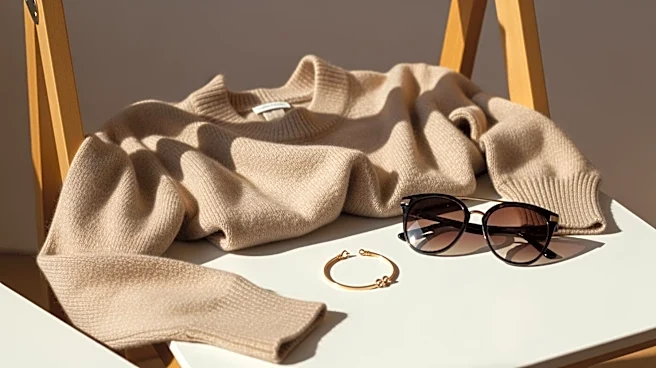
anti-fashion uniform of Seattle's music scene—flannel shirts, ripped jeans, combat boots, and an overarching mood of studied indifference. It was clothing that tried its best not to look like it was trying at all. On the other, more polished side was minimalism. Led by designers like Calvin Klein, Helmut Lang, and Donna Karan, this was a world of clean lines, neutral palettes (black, white, gray, beige), and spare silhouettes. Think Kate Moss in a simple slip dress. The look was chic, sophisticated, and stripped-down. While different, both grunge and minimalism shared a common thread: a certain seriousness and a muted, often androgynous, sensibility. Fashion was cool, but it wasn’t necessarily fun.
Enter Patricia Field's Fantasy
Into this landscape of beiges and band tees walked costume designer Patricia Field, armed with tulle, Fendi Baguettes, and a vision. Field’s philosophy was the polar opposite of the prevailing mood. For her and the show's creators, fashion wasn't about blending in or being practical; it was about storytelling, fantasy, and radical self-expression. It was aspirational. Carrie, Miranda, Charlotte, and Samantha didn't dress for reality. They dressed for the most fabulous version of their lives. Field mixed high fashion with thrift store finds, couture with kitsch, creating looks that were personal, eclectic, and unapologetically attention-grabbing. While the 90s minimalist might ask, "Is this too much?", Field and Bradshaw would ask, "Is this enough?" The answer was almost always no. This joyful maximalism was a splash of cold, champagne-scented water on the face of 90s cool.
The Revolt Against Androgyny
One of the most visible points of rebellion was the silhouette. The baggy jeans and shapeless baby-doll dresses of the grunge era were cast aside for styles that celebrated the female form. Carrie’s famous opening-credits tutu, a frothy, hyper-feminine garment, was the antithesis of a flannel shirt. The show was filled with body-conscious dresses, tailored pencil skirts, and waist-cinching belts that were a world away from the androgynous shapes of the preceding years. It was a shift from clothes that concealed or de-emphasized the body to clothes that adorned and highlighted it. This wasn't just about looking sexy; it was about a confident, playful femininity that had been sidelined in mainstream style. The women of SATC used clothes to take up space, both literally and figuratively, in a way that felt completely new.
Making Accessories the Main Event
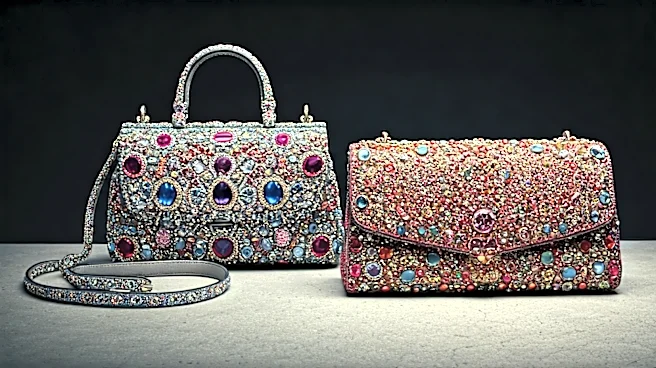
If 90s minimalism was about stripping away the non-essential, Sex and the City was about declaring that the non-essentials were, in fact, the entire point. Accessories became characters in their own right. The “Carrie” nameplate necklace wasn’t just jewelry; it was a statement of identity. The Fendi Baguette wasn't just a purse; it was a plot point and a status symbol. Enormous flower pins, newsboy caps worn at a jaunty angle, and, of course, a veritable mountain of Manolo Blahniks and Jimmy Choos—these weren't afterthoughts. They were the exclamation points on every outfit. This accessory-heavy approach was a direct counter-movement to the stark simplicity of the minimalist uniform. It suggested that joy could be found in the details and that personal style was a collage of bold, sometimes weird, but always deliberate choices. The show taught a generation of women that you didn't just wear an outfit; you built it, piece by fabulous piece.