


1. Look for the Rule of Three
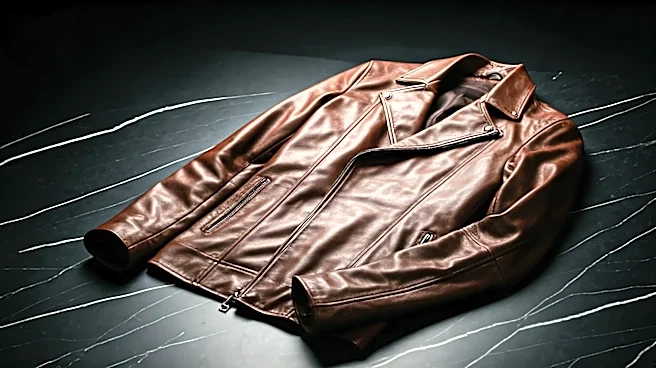
One bizarrely cut leather jacket is a designer’s whim. But when you see a similar sharp-shouldered leather blazer at Prada, then a tailored moto jacket at Gucci, and a sleek leather trench at Fendi, you don’t have a whim—you have a trend. This is the oldest
rule in the book for buyers and editors. If a specific idea, color (hello, cherry red), or silhouette appears at three or more influential, unrelated shows, it signals a collective shift. It’s no longer a singular vision but a market-wide conversation. The repetition proves it's not a fluke; it's a consensus bubbling up from the creative ether, making it a much safer bet for retailers to invest in.
2. Check the Street Style Echo Chamber
Pay as much attention to the cobblestones outside the shows as the runway inside. The editors, buyers, and influencers attending are the industry’s first focus group. If they are already wearing a toned-down version of a runway concept—perhaps a specific shade of green or a particular style of loafer—it’s a massive tell. It means the trend is not only aesthetically pleasing but also practical enough for real-world application. When the people whose job it is to sell fashion are already personally endorsing a look, its path to the cash register becomes dramatically shorter. It's a live, walking, photographed market test.
3. Mentally 'Un-Style' the Look
Runway shows are theater. A model might be wearing a beautifully tailored camel coat, but it’s styled with a feathered headdress, no pants, and metallic thigh-high boots. It’s easy to dismiss the whole look as unwearable. The trick is to mentally strip away the drama. Ignore the headdress and the lack of pants. Focus on the coat itself. Is it a classic shape with a modern twist? Is the fabric luxurious? Would it look amazing over jeans or a simple black dress? If you can easily picture the core item in a normal context, it has commercial legs. The sellable piece is often the quiet anchor in a storm of runway fantasy.
4. Follow the 'Second Look' Signal
The opening and closing looks of a show are designed for maximum impact and press photos. They are the exclamation points. The real money, however, is often in looks 5 through 25. These are the pieces that form the commercial core of the collection: the sellable knitwear, the perfectly cut trousers, the versatile day dresses, and the covetable handbags. These quieter, less theatrical pieces are what the brand is actually banking on to meet its sales targets. While the finale gets the applause, these workhorse looks are what get bought by department stores and, ultimately, by you.
5. Consider the Material and Make
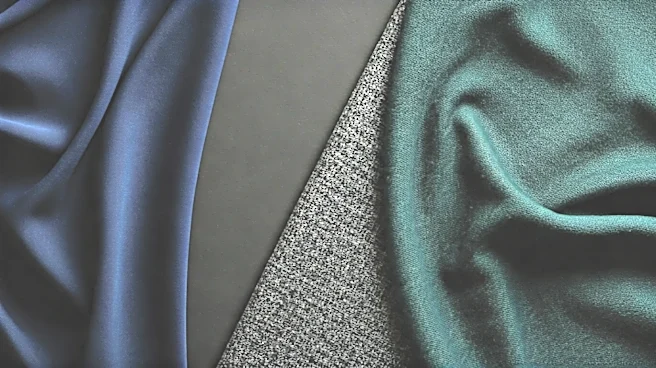
An outlandish silhouette can be made surprisingly approachable by its fabric. A voluminous, avant-garde skirt might seem intimidating, but if it’s made from soft, wearable cotton poplin, its chances of selling skyrocket. Conversely, a simple sweater rendered in an itchy, impossibly delicate, or prohibitively expensive material will likely remain an editorial piece. Consumers touch before they buy. We prioritize comfort, durability, and ease of care. When you see a new shape or idea executed in a familiar, friendly material like cashmere, merino wool, denim, or silk, you’re looking at a trend that’s been designed not just to be seen, but to be sold and lived in.