




The annual coat closet audit often reveals a frustrating truth: you have a coat for work trousers, a coat for weekend jeans, and a coat for that one dress. The dream is a single, stylish coat that does it all. Here’s how to find it.
The Golden Rule of Length
The most common reason
a coat fails to be versatile is its length. A coat that ends awkwardly at the widest part of your hips can look bulky with trousers, while one that’s too short can feel mismatched with a longer dress. The sweet spot for maximum versatility is a coat that hits somewhere between your mid-thigh and your knee. This length is long enough to cover the hemline of most shorter dresses and skirts, preventing an untidy look where a few inches of dress peek out from underneath. At the same time, it's short enough that it doesn't overwhelm a pair of tailored trousers or casual jeans, creating a balanced and elongated silhouette. Whether you're petite or tall, a knee-length or just-above-the-knee style provides structure without visually shortening your frame.
A Clean and Simple Silhouette
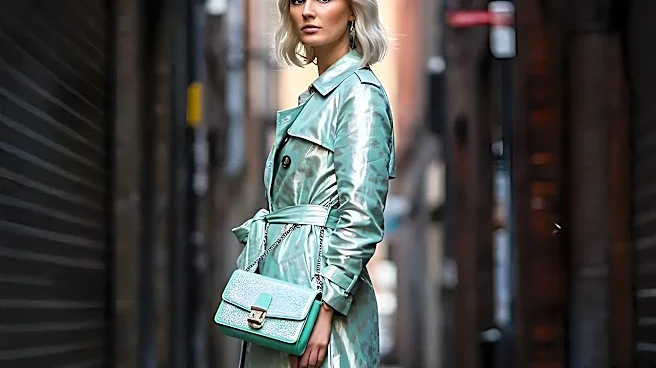
When a coat needs to work with multiple types of outfits, a clean, classic silhouette is your best friend. Overly trendy or fussy designs, like dramatic bubble hems or excessive hardware, can clash with certain garments. Look for timeless cuts like a single-breasted or double-breasted closure, a simple wrap style, or a tailored A-line shape. These silhouettes provide structure without adding too much bulk, allowing them to layer smoothly over both a slim-fitting sheath dress and a chunky knit sweater paired with denim. A belted coat is a particularly powerful choice, as it allows you to define your waist, creating a flattering shape regardless of what you’re wearing underneath. Avoid anything too boxy or oversized unless that is your specific, intended style, as it can be harder to balance with dressier outfits.
Fabric and Color are Key
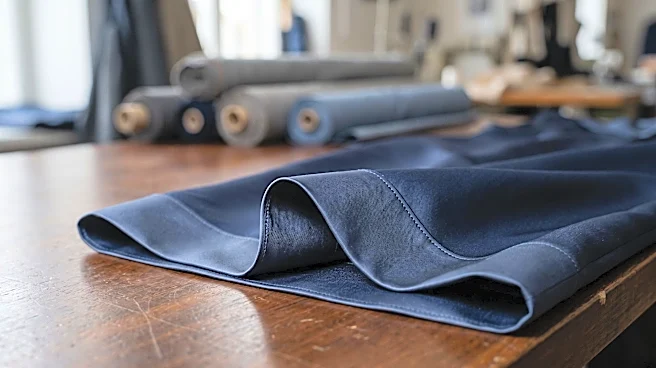
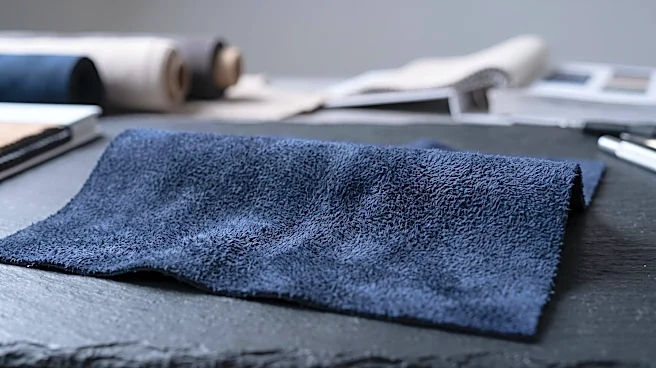
The material and color of your coat are just as important as its cut. For a true workhorse piece, invest in quality, timeless fabrics. Wool and wool-cashmere blends offer warmth, durability, and a luxurious finish that can be dressed up or down. A classic trench coat, often made from water-resistant cotton twill, is another famously versatile option perfect for transitional weather. When it comes to color, neutrals offer the most mileage. A camel coat is famously chic and pairs beautifully with nearly everything, from black and navy to cream and denim. Black, charcoal gray, and navy are other sophisticated, can't-go wrong choices that provide a perfect backdrop for any outfit. While a bold color can be fun, a neutral is the smarter investment for a coat you plan to wear with everything.
Three Fail-Safe Styles to Consider
If you want specific examples that embody these principles, three classic styles consistently top the list for versatility.
First, the Trench Coat. Its history as military-wear gives it a structured, functional elegance that works over suits, jeans, and dresses alike. The belted waist is universally flattering, and its typical khaki color is a perfect neutral.
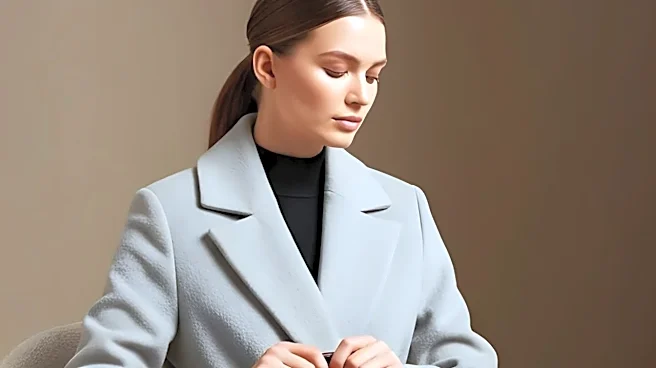
Second, the single or double-breasted Wool Overcoat, often called a Crombie or Chesterfield. A tailored wool coat in camel, navy, or black that hits at the knee is the ultimate go-to for a polished look that feels just as right over a cocktail dress as it does with trousers and loafers.
Finally, the Belted Wrap Coat. This style offers a softer, more feminine silhouette that remains incredibly adaptable. The tie_waist creates a graceful shape, and the lack of rigid buttons or zippers allows it to drape beautifully over different layers.