
The Fabric Story: Material Matters
The first and most significant difference is the fabric. A mid-range brand might offer a perfectly respectable 100% wool or a durable cotton twill. These are workhorse materials that look good and perform
well. However, premium brands operate on a different level of material science. They source higher-grade natural fibers, like long-staple cottons (Pima or Egyptian) that are smoother and pill less, or high-twist wools that resist wrinkling and hold a sharp crease. You'll also find luxurious blends with cashmere or silk that offer a superior drape and feel. A key, often unlisted, metric is fabric weight. Premium trousers for year-round wear are typically made from a more substantial fabric (220-280 gsm) than their high-street counterparts, which often use lighter, cheaper material that won't stand up to a year of regular use.
Construction Secrets: It's What's Inside That Counts
This is where the price gap really starts to make sense. Turn both pairs of trousers inside out. A mid-range pair is constructed efficiently, with machine stitching and basic finishes. A premium pair, however, reveals its pedigree in the details. Look for a high stitch density, which means stronger seams less likely to fail. The waistband might have a 'split V-notch' in the back, a small detail that allows for greater comfort and movement. Premium trousers often feature a full or partial lining made of Bemberg or cupro, a silky material that helps the trousers drape smoothly over your legs, whereas a cheaper pair might use a less breathable polyester or no lining at all. Finally, check the seam allowance—the extra fabric inside the seam. Premium trousers often have more generous allowances, allowing a tailor to easily let them out later, making them a longer-term investment.
The Details and Hardware: Small Tells of Quality
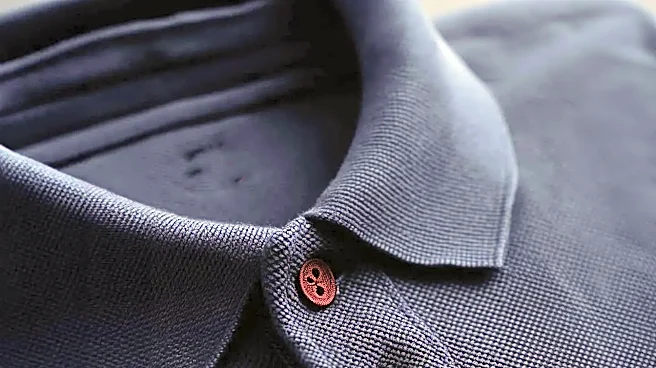
Beyond the main construction, the small finishing touches are a clear giveaway of quality. On a premium pair, you'll likely find buttons made of genuine horn, corozo, or mother-of-pearl instead of plastic. The zipper will be from a reputable maker like YKK, and it will feel smooth and substantial. Pocket bags in high-end trousers are often made from a sturdy, soft cotton, while mass-market pairs might use a thin, flimsy synthetic blend that’s prone to tearing. Even the belt loops can be a clue; on a finer garment, they will be set into the waistband for durability, not just folded and stitched on top. These may seem like minor points, but together they contribute to the garment's overall longevity and feel.
The Cut and Fit: From Approximation to Architecture
A mid-range trouser is designed to fit the average person reasonably well. The pattern is graded from a single base size, meaning it's scaled up or down proportionally. This can sometimes lead to fit issues, like a waist that fits but thighs that are too tight. Premium brands often re-draft their patterns for different sizes, creating a more nuanced and flattering silhouette right off the rack. The rise—the distance from the crotch to the waistband—is also more considered in premium tailoring, designed to create a balanced proportion. While any good tailor can improve the fit of a mid-range trouser, a premium pair provides a superior starting point that requires less correction to look perfect.