



The Expert's Burden of Knowledge
Pundits and data gurus enter a tournament armed with sophisticated models. They analyze expected goals (xG), player performance metrics, historical head-to-heads, and tactical systems. Yet, this depth of knowledge can become a double-edged sword. Experts
can suffer from what psychologists call "overconfidence bias," placing too much faith in the accuracy of their complex models. They might overvalue a team's perfect qualifying record or a star player's club form, failing to account for the unique pressures of a knockout tournament. This focus on an "inside view"—the specifics of the case at hand—can cause them to miss the bigger picture. They know so much that they can't see the simple, chaotic truth: in a single-elimination soccer match, anything can happen.
The Power of a Simple Narrative
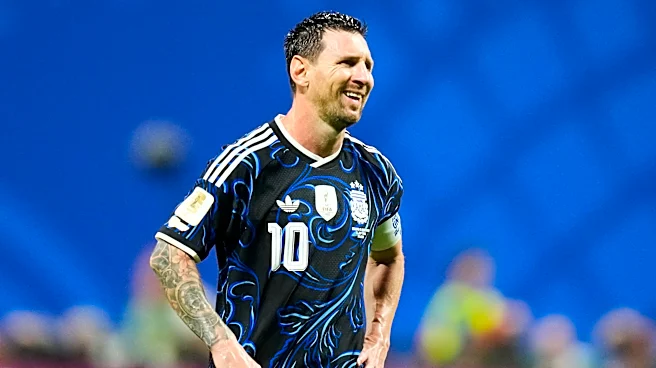
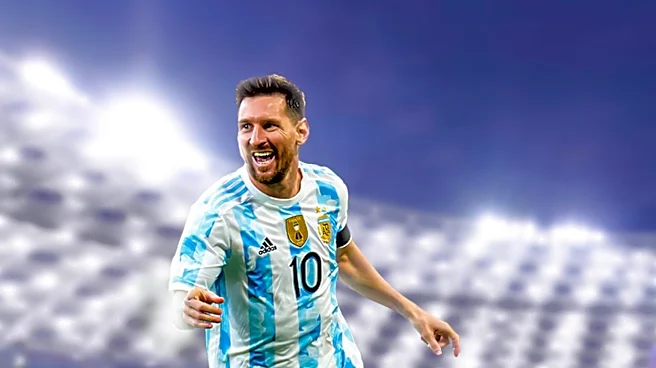
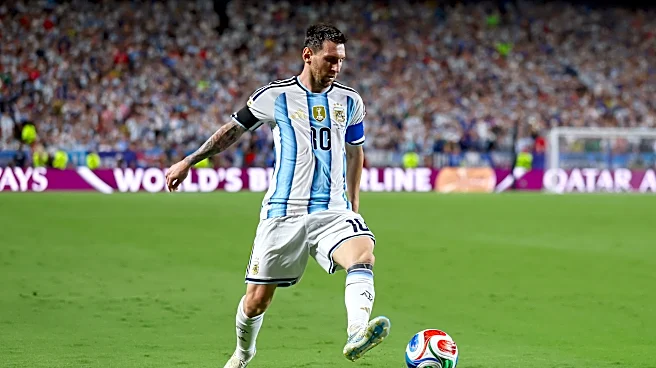
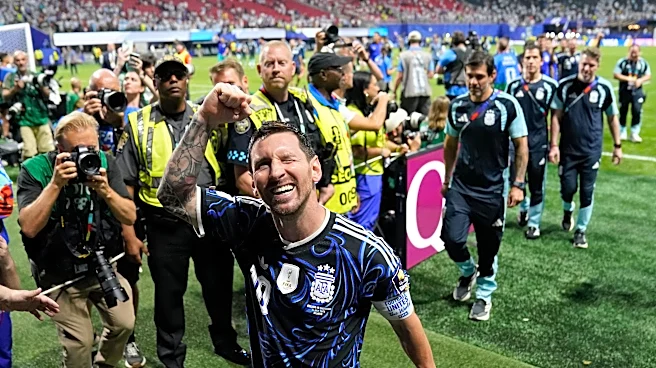
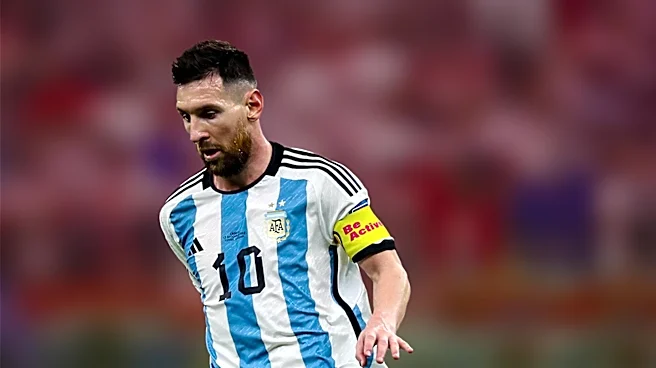
So, what does the casual fan have that the expert doesn't? A bias toward simple, powerful stories. Casual fans don't get lost in the weeds of defensive formations. Instead, they latch onto human drama. Is a legendary player like Lionel Messi on a quest for a final trophy? Is a team fueled by a powerful sense of national unity? Is one squad visibly hungrier than the other? These narratives feel like emotional reasoning, but in sports, emotion and momentum are tangible forces. A team playing with a powerful sense of purpose can often defy statistical expectations. The casual fan, by focusing on “who wants it more,” is sometimes tapping into a more fundamental predictor of success than any spreadsheet can capture.
The Wisdom of the Crowd
The idea that a large group of non-experts can be smarter than a few specialists is known as the "wisdom of the crowds." Individual casual fans might make wild guesses, but when aggregated, their collective predictions are often surprisingly accurate. One person might overestimate a team, another might underestimate them, and these errors can cancel each other out, leaving an uncannily prescient average. Betting markets are a prime example of this phenomenon in action. The odds are shaped not just by bookmakers, but by the collective weight of thousands of bets from fans around the world, creating a highly accurate reflection of probabilities. In some studies, crowdsourced predictions have proven as reliable as those from official rankings.
Soccer's Beautiful Unpredictability
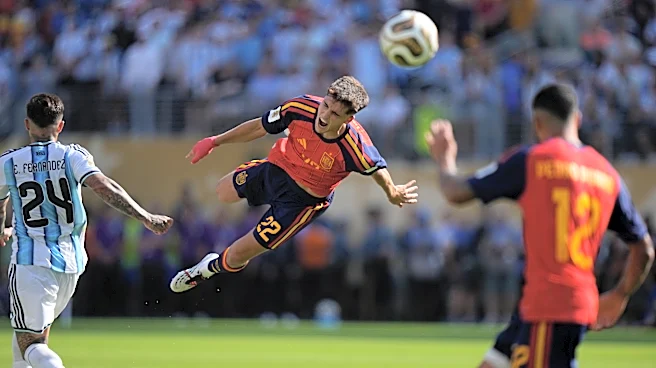
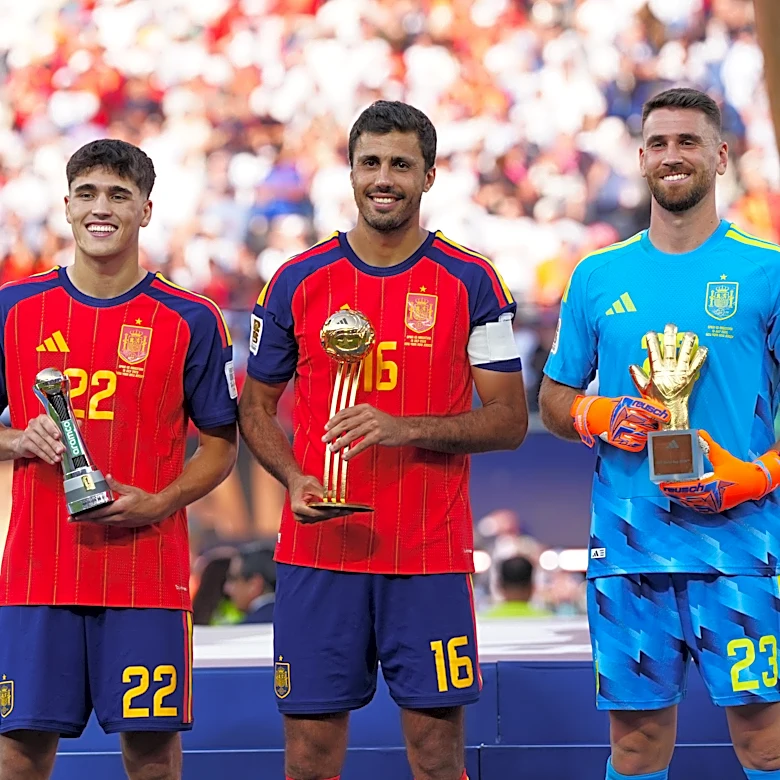
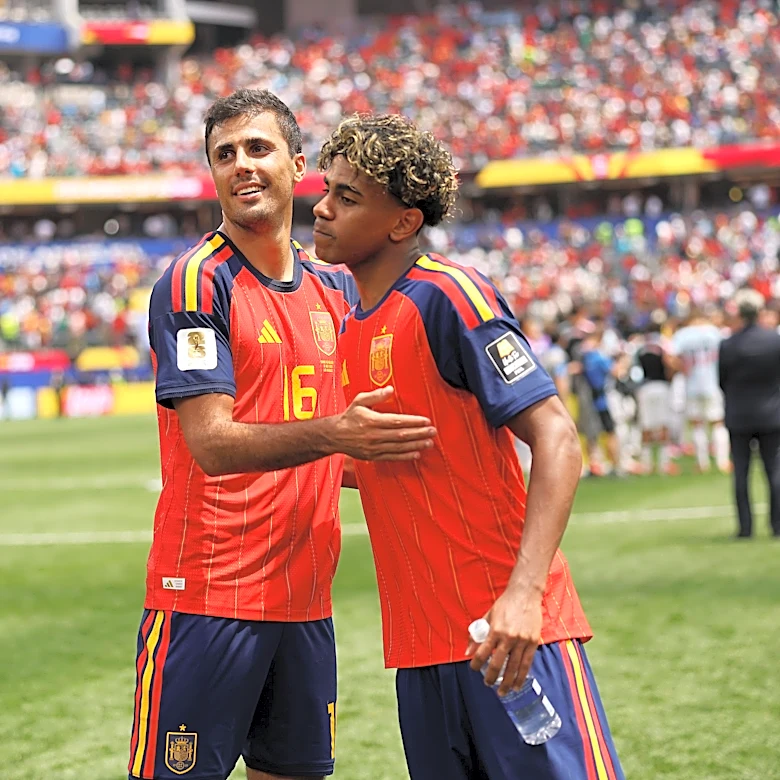
Ultimately, the greatest equalizer is the sport itself. Soccer is a low-scoring game where random events—a lucky deflection, a controversial refereeing decision, a single moment of brilliance—can have an outsized impact. Unlike basketball, where the sheer number of scoring possessions often ensures the better team wins, a soccer match can pivot on a single kick. Even the most advanced models struggle to account for this level of variance. For the 2026 final between Argentina and Spain, models gave Argentina a slight edge, but still left a massive 42% chance for Spain, highlighting the fundamental uncertainty. This inherent chaos levels the playing field, making the casual fan's gut feeling a legitimate contender against the expert's data-driven forecast.