




The Weight of the Final Moment
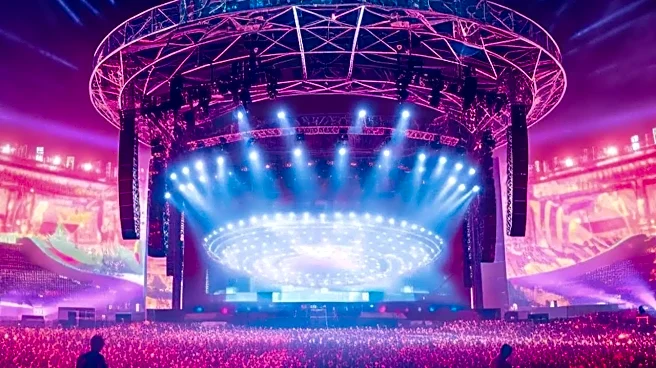
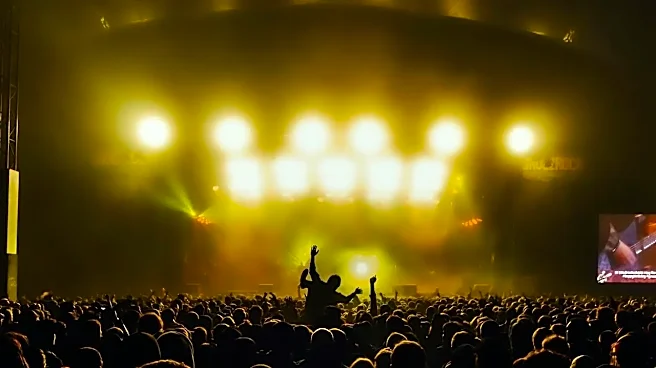
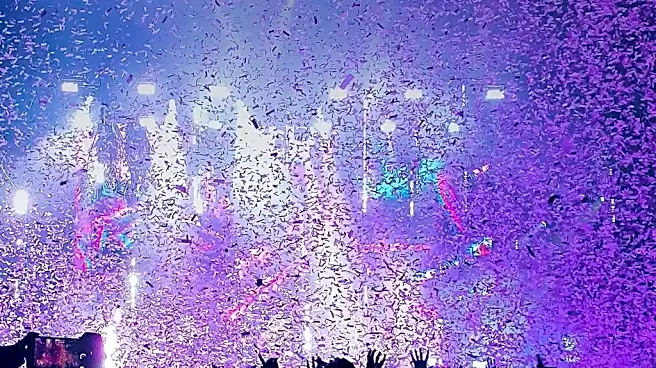
The final slot of a music festival is more than just an encore; it’s the emotional climax of a multi-day journey. It's the period at the end of the sentence, the credit roll after the epic film. For tens of thousands of people, this single song will crystallize
the entire experience. It's the tune they’ll hum on the drive home and the track that will transport them back to that field years later. The artist on stage faces a monumental choice. Do they cement their relevance with the song of the summer, creating a unique 'I was there when' moment? Or do they reach for a universally beloved anthem that unites every single person, from the front row to the food trucks, in a massive, unified choir? This decision pits the power of the present against the unshakeable force of nostalgia.
The Case for the New Hit
There’s an undeniable electricity to hearing a song that currently rules the world blasted across a festival ground. Dropping a brand-new, chart-dominating hit in the final slot is a power move. It’s a declaration of supreme cultural relevance. For the audience, it’s a snapshot of right now, a moment of pure, uncut 2026. Think of a hypothetical headliner dropping the biggest track from their latest album—a song that has soundtracked the last six months of everyone's lives. The reaction isn't just recognition; it's an explosion. This choice provides a jolt of contemporary energy, reminding a weary crowd why they fell in love with this artist in the first place. It’s risky—a newer song might not have the deep emotional roots of a classic—but when it works, it creates a memory that feels incredibly personal and of its time. It’s the difference between a great experience and a landmark cultural event.
The Case for the Classic Anthem
Then there’s the other path: the anthem. This is the song that everyone, from 16 to 60, knows by heart. It has transcended its release date to become part of our collective cultural DNA. When a band launches into a legendary track like Queen’s “Bohemian Rhapsody” or The Killers' “Mr. Brightside,” something magical happens. Individual identities dissolve into a single, pulsating organism. The power of nostalgia is immense; studies show that familiar music activates deep emotional and memory centers in the brain, creating a powerful sense of comfort and connection. In that moment, thousands of strangers become a unified choir, their voices rising together. This shared experience, known as collective effervescence, creates a profound sense of belonging and joy that can last long after the final note fades. It’s a safe bet, but it's safe for a reason: it guarantees a moment of pure, unadulterated unity, leaving the entire crowd on a communal high.
The Artist's Dilemma
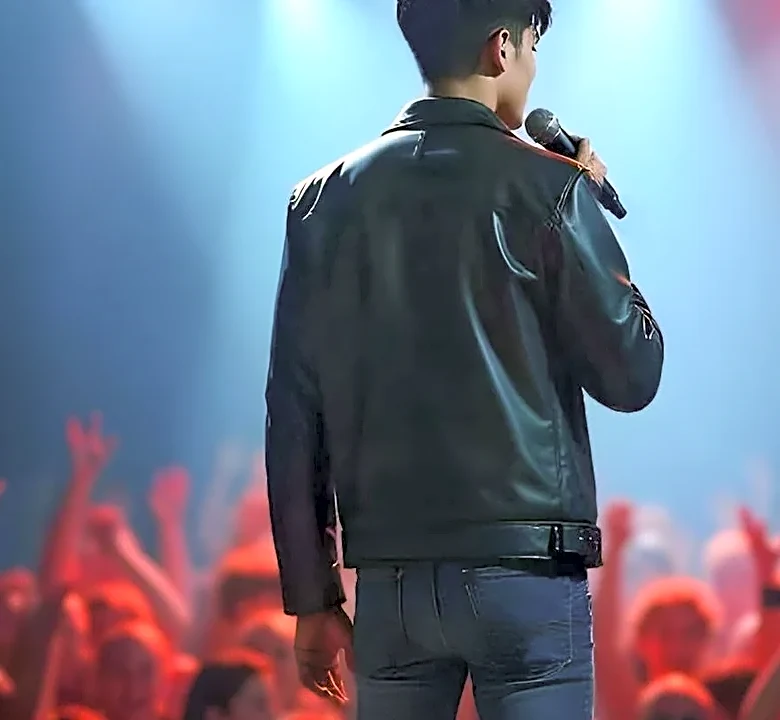
From the stage, the choice is a strategic one. For a legacy act—say, a reunited rock band or a pop icon with decades of hits—ending with a classic is often the only move. It’s what the audience came for: to relive memories and sing along to the soundtrack of their lives. For them, playing a deep cut or a brand-new song could feel anticlimactic or even self-indulgent. Conversely, for a newer artist at the peak of their first wave of massive success, closing with their biggest current hit solidifies their status. It’s a moment of coronation, proving they can command a headliner’s stage and own the moment completely. Dropping a cover or an older tune might seem like an admission that their own material isn’t strong enough to carry the finale. The encore is now a pre-planned part of the show, a final act where the artist gets to make their definitive closing statement.