


The Perfect Excuse for a Summit Meeting
The first, most practical function of a party scene is simple: it gets every character in the same room. Screenwriters are constantly looking for organic ways to bring together disparate storylines and clashing personalities. A holiday party is the perfect
alibi. In the second season of The Office, the Halloween party provides the backdrop for Michael Scott’s agonizing task of firing an employee by the end of the day. The forced festivities and awkward small talk heighten the tension, making his eventual decision feel even more fraught. It’s a classic pressure cooker, where personal drama and professional obligations are forced to collide amidst cheap decorations and a bowl of punch. The party becomes a central hub where every subplot can intersect, a far more dynamic setting than another meeting in the conference room.
A Mask That Reveals the Truth
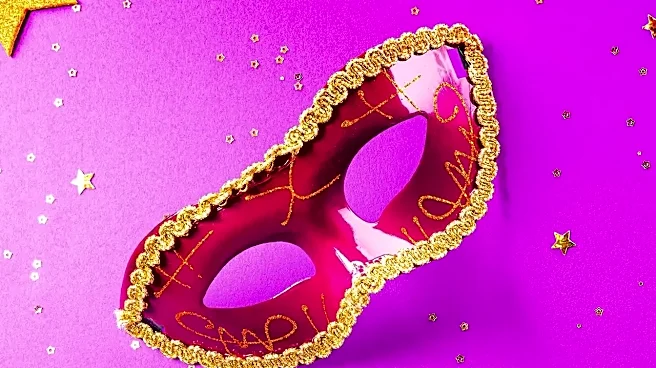
Ironically, a holiday built on hiding behind masks is often where characters reveal their truest selves. Costumes function as powerful symbolic shorthand. A character’s choice of attire can signal their inner desires, anxieties, or a hidden aspect of their personality. In a season six episode of The Office, Pam and Jim's coordinated Popeye and Olive Oyl costumes (with their daughter as Swee'Pea) are a sweet, visual representation of their new family unit, a stark contrast to the singleton chaos around them. In supernatural shows, the costumes can be even more on-the-nose. The iconic Buffy the Vampire Slayer episode "Fear, Itself" sees a frat party's haunted house decorations come to life, forcing each character to confront their literal deepest fears. The chaos of the party strips away their usual defenses, leaving only raw, honest emotion. The costume, whether it’s a silly joke or a terrifying monster, gives characters permission to act outside their normal behavior, often leading to unplanned confessions.
When Social Chaos Forces Honesty
The environment of a party—the noise, the crowds, the reduced inhibitions—is a catalyst for drama. Conversations that would never happen in the quiet light of day suddenly feel possible. This is especially true in teen dramas, where social hierarchies and romantic tensions are always simmering. The Pretty Little Liars Halloween special "This Is a Dark Ride" takes this to an extreme by setting the party on a moving train. The confined space and chaotic energy lead to a series of stunning revelations, a shocking character death, and a major clue in the central mystery. The episode uses the party's anything-goes atmosphere to accelerate the plot at a breakneck pace. Secrets are overheard, confrontations erupt, and alliances are tested in a way that feels both organic to the party setting and incredibly efficient for the story.
A Mirror to the Show's Soul
At its best, the Halloween episode uses the holiday's themes to reflect the show's core identity. In season two of Stranger Things, the boys dressing as the Ghostbusters isn't just a cute 80s reference; it reinforces their role as nerdy outsiders tasked with battling the paranormal. The episode, "Trick or Treat, Freak," sees Will Byers tormented by visions of the Upside Down, blurring the line between Halloween scares and genuine supernatural horror. The spooky decorations around Hawkins are a pale imitation of the real monster haunting Will. This thematic resonance elevates the episode beyond a simple holiday special. It becomes a concentrated dose of the show itself—a story about the monsters we see and the ones hiding inside us. The Halloween setting isn’t just window dressing; it’s the main event, perfectly mirroring the show’s blend of adolescent angst and cosmic dread.