



The Neckline Becomes the New Billboard
For years, the loudest statements in menswear were made below the neck. Status was communicated through a hyped-up sneaker, a graphic hoodie, or a cross-body bag with an unmissable logo. But as the pendulum swings away from maximalist streetwear toward
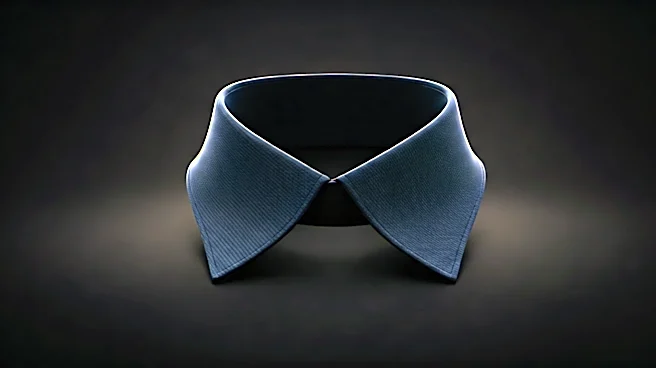
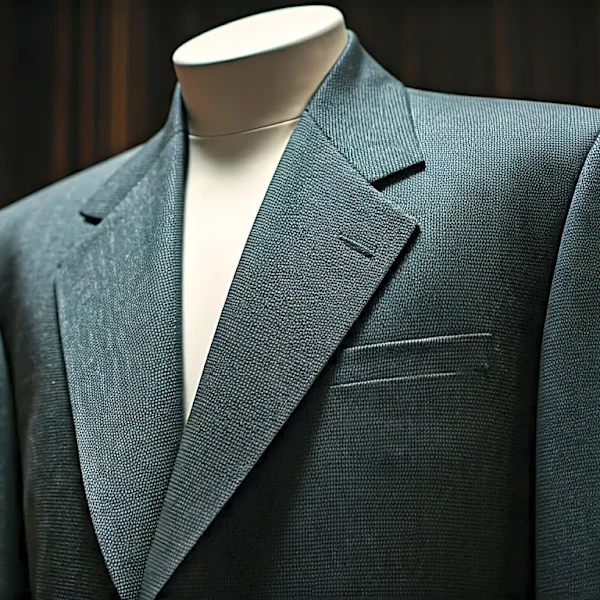
a more refined, 'quiet luxury' aesthetic, designers are looking for new ways to make an impact. The collar, sitting right below the face, is prime real estate. Think about it: it’s the element that frames the most expressive part of a person. By subtly—or dramatically—altering its shape, designers can change the entire mood of an outfit without shouting. An elongated, razor-sharp point feels aggressive and confident. A soft, rounded 'Peter Pan' collar suggests a gentler, more nostalgic sensibility. This newfound focus turns the collar from a functional necessity into a powerful, expressive tool.
A Return to Tailoring, But Not as You Know It
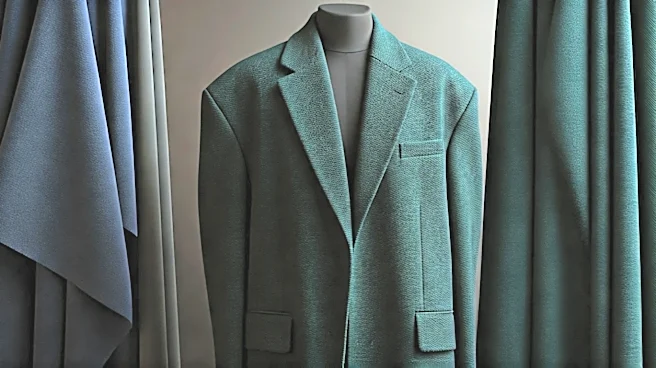
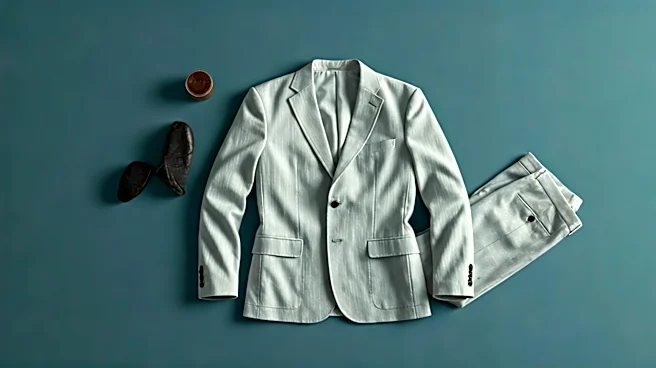
The collar's resurgence is inextricably linked to the return of tailoring. After a long romance with the comfort of athleisure, men are once again embracing the structure of a good jacket and a crisp shirt. But this isn't your father's boardroom attire. Instead of a uniform, today’s tailoring is about personality. At shows like Prada, we saw classic collars that were just slightly 'off'—a bit too wide, a bit too stiff—giving them an uncanny, modernist feel. At Loewe, Jonathan Anderson has championed super-elongated, almost cartoonishly pointy collars that lend a surreal elegance to his collections. Meanwhile, designers like Dries Van Noten use intricate fabrics and slightly relaxed shapes to make their shirting feel romantic and lived-in. In all these cases, the collar is the key that unlocks the garment's specific attitude. It’s the difference between a shirt and a *look*.
The Anti-Hoodie Statement Piece
You can’t talk about the rise of the statement collar without acknowledging what it’s replacing: the hoodie. For over a decade, the hooded sweatshirt was the default uniform for creative industries, tech bros, and fashion enthusiasts alike. Its appeal was its ease, its comfort, and its slightly anti-establishment vibe. But its defining feature is its lack of a collar, creating a soft, continuous line from shoulder to head. The renewed obsession with sharp, defined necklines is a direct rebellion against that slouchy silhouette. Choosing a shirt with a distinct collar is an act of intention. It says you thought about your outfit, that you appreciate structure, and that you're participating in a more traditional grammar of dress—even if you're twisting the rules. It marks a shift from dressing for pure comfort to dressing with a point of view.
What It Says About Modern Masculinity
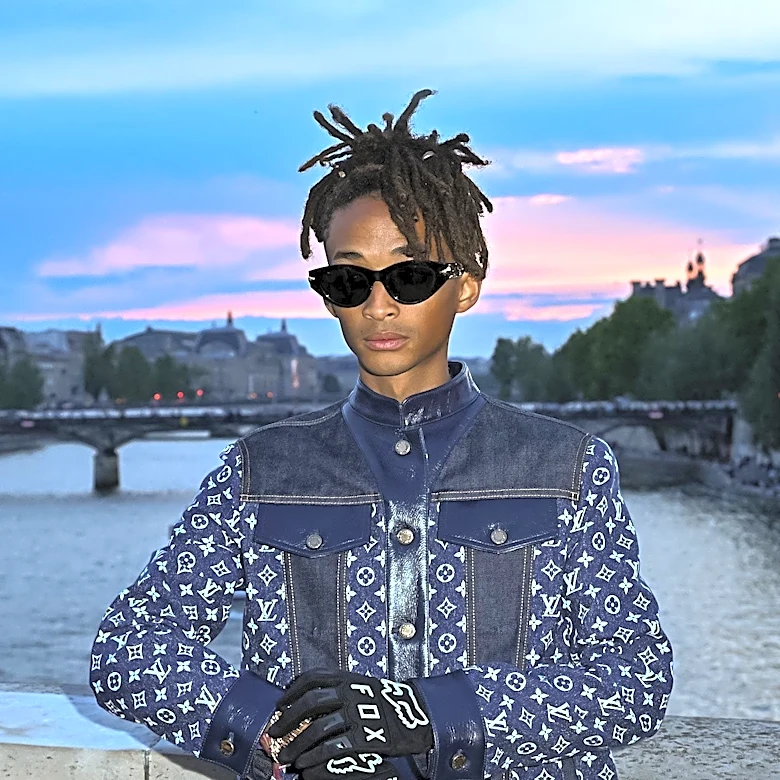
Ultimately, the fuss over a few inches of fabric is about something much bigger: the evolving definition of masculinity in the 21st century. By playing with a detail so tied to the history of formal menswear, designers are asking questions about what it means to be a man today. Is he powerful and sharp (the dagger collar)? Is he sensitive and romantic (the soft, open-neck camp collar)? Is he a traditionalist with a subversive streak (Prada’s weird-preppy look)? The answer is, he can be all of them. The variety of collar shapes on display in Paris shows that there is no longer one single ideal of menswear. Instead, there's a wardrobe of possibilities, allowing men to express different facets of their identity. The collar, in its own quiet way, offers a new kind of freedom.