



The Unspoken Duty to Engage
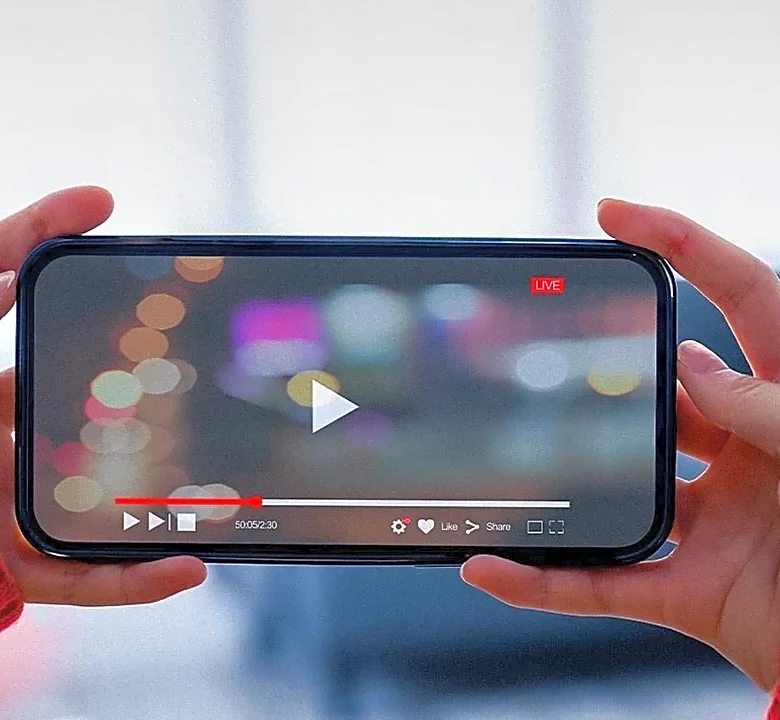
Let’s be honest: watching anything online in 2026 often means managing two screens, even if they’re on the same device. The main performance is on one side, and the live chat—a frantic, scrolling waterfall of emojis, hot takes, and inside jokes—is on the other.
An unspoken pressure builds. The fear of missing out isn't just about the performance; it's about the meta-conversation happening alongside it. We've been conditioned by a decade of second-screening, from live-tweeting awards shows to keeping a group text buzzing during a season finale. Platforms are designed to encourage this. The constant notifications and reactions create a feedback loop that makes participation feel mandatory. Engaging in chat becomes a performance of its own—a way to prove you’re a true fan who is not only present, but also witty, observant, and part of the in-crowd. This multitasking is often framed as a richer, more connected way to watch, but studies on media multitasking consistently show it’s cognitively expensive, impairing our ability to focus and even form clear memories.
Distraction Is Not Community
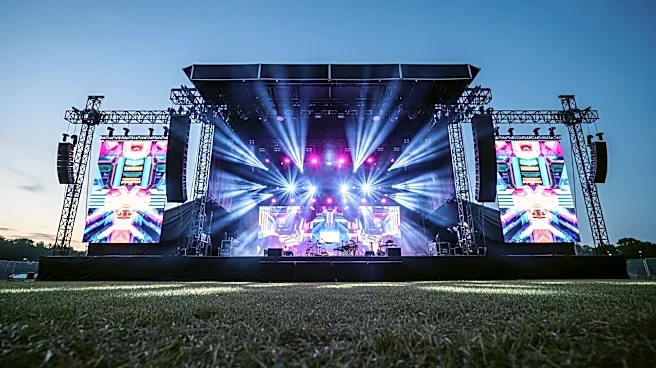
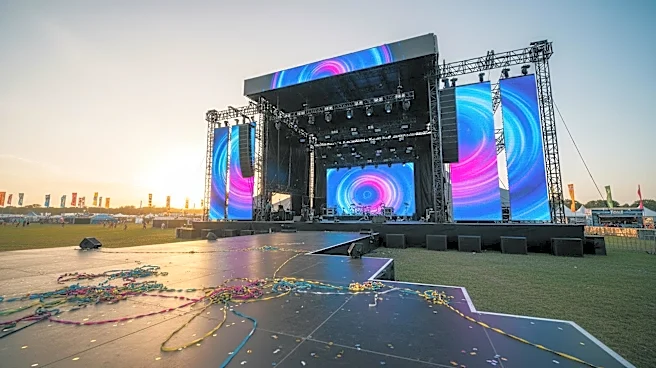
The great promise of live chat is community. It offers a way to feel less alone, transforming a solitary viewing into a shared experience. And sometimes, it delivers. But more often than not, what's promised as community is actually a firehose of distraction. The chat for a major event is rarely a thoughtful discussion. It’s a chaotic mix of spam, one-word reactions, and competing bids for the performer’s attention. True community is built on mutual commitment and shared focus. It’s the silent, collective gasp in a movie theater, the roar of a stadium crowd, the focused hush at a concert. That shared energy comes from people directing their attention to the same place, at the same time. A chaotic chat log, by contrast, pulls that focus in a thousand different directions. Instead of sharing an experience of the art, you're sharing the experience of being online, which are two very different things. The feeling of connection it provides is often fleeting and superficial, a substitute for the deeper connection available when you fully immerse yourself in the performance itself.
Your Attention Is the Real Ticket
In the attention economy, your focus is the most valuable currency you have. Every second you spend trying to read the chat, formulate a clever reply, and then refocus on the performance is a tiny cognitive withdrawal. Performers and artists spend months or years honing their craft to create a specific emotional journey. They labor over pacing, lighting, sound design, and delivery. Splitting your attention between their work and a stream of ephemeral comments does a disservice to both the art and your own experience. Muting the chat isn't an antisocial act; it's an act of respect. It’s a conscious choice to honor the work of the creator and to give yourself the gift of deep engagement. Studies have shown that our brains are not built for effective multitasking; we simply switch our attention back and forth very quickly, losing accuracy and recall in the process. Choosing to mute the chat is choosing to have a more memorable, impactful, and emotionally resonant experience. You are reclaiming your role as an audience member, not a content-commenting machine.
The Exception That Proves the Rule
Of course, this isn't a blanket condemnation of all live chat. There are times when the chat is an integral part of the show. For streamers playing interactive games like Jackbox, the audience's participation is the entire point. During charity fundraisers, the chat is a vital hub for donation drives and community mobilization. And for some niche creators, the chat serves as a genuine, tight-knit community forum where real-time feedback shapes the content. The key distinction is intentionality. In these cases, the chat isn't a distraction from the main event; it is the main event, or at least a core component of it. The problem arises when this interactive model is slapped onto experiences that are fundamentally designed for focused observation, like a streamed play, a musical performance, or a film premiere. Knowing when to engage and when to simply watch is a crucial media literacy skill. The goal isn't to reject the tool entirely, but to use it consciously.