


The Power of British Heritage
More than any other fashion capital, London is anchored by a deep sense of history. Think of its cornerstone brands: Burberry, Alexander McQueen, and the enduring spirit of Vivienne Westwood. These labels don’t just present new collections; they are in constant
conversation with their own archives. When Burberry reworks its iconic trench coat or reimagines its classic check, it sends a powerful signal to the market. Suddenly, vintage lovers aren’t just looking for a new coat; they’re scouring resale sites for a perfectly worn-in trench from the 80s or a rare tartan piece from a 90s McQueen collection. LFW serves as a biannual reminder of the power of these heritage codes, and each new interpretation on the runway sparks a renewed appreciation—and a frantic search—for the originals.
A Unique Appetite for Eccentricity
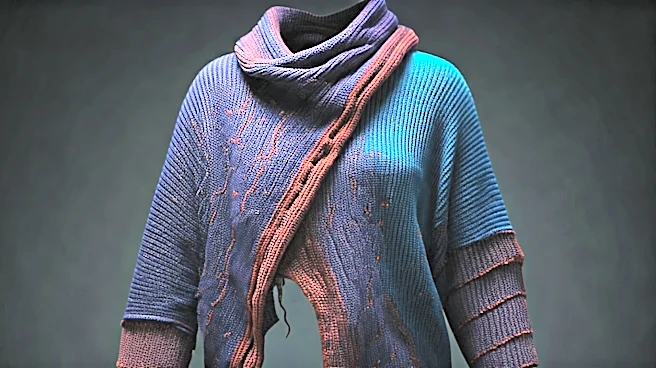
While Paris has couture and Milan has commercial glamour, London has always celebrated the eccentric. It’s the city that gave the world punk, mods, and New Romantics. This rebellious, experimental spirit is baked into its fashion week. Designers like Simone Rocha, with her modern take on Victorian and Irish femininity, or JW Anderson, with his quirky, intellectual designs, are celebrated for their unique points of view. They often pull from niche historical references—an obscure art movement, a specific subculture, or forgotten craft techniques. For a vintage hunter, this is pure gold. A Rocha show might send you on a quest for antique lace blouses or pearl-embellished accessories, while an Anderson collection could inspire a search for sailor collars or unusual 1970s knitwear. London’s runways give permission to be weird, which is the best inspiration for digging up one-of-a-kind vintage treasures.
Street Style as the Real Trend-Setter
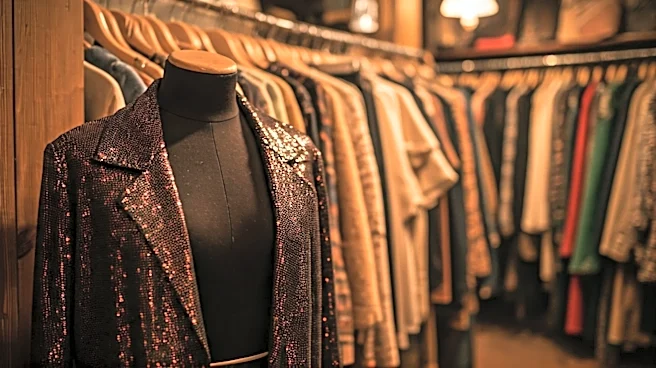
At London Fashion Week, the show outside the shows is often just as influential as what’s on the runway. London’s street style scene is legendary for its creativity and individuality. Editors, influencers, and fashion students mix high-end designer pieces from the new season with beloved items from their own vintage collections. This high-low, old-new mix is where the magic happens. You might see a brand-new coat styled with a vintage Dior saddlebag, a pair of 1970s cowboy boots, or a thrifted band t-shirt. This doesn't just look cool; it creates a direct visual link, showing people how to integrate vintage into a modern wardrobe. The resulting photos go viral, and suddenly everyone is searching for that specific style of vintage boot or bag. Street style acts as a real-time styling guide, making vintage feel accessible and utterly current.
The Rise of Sustainable Storytelling
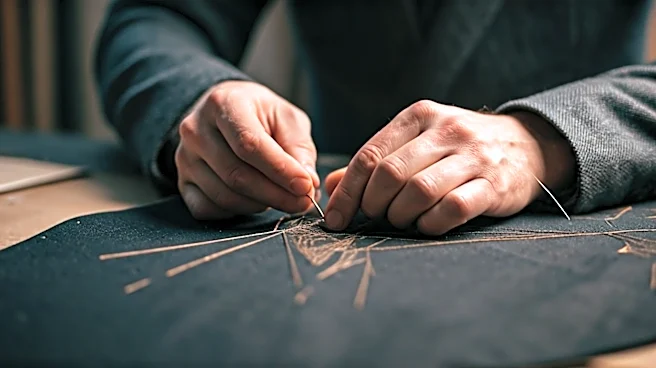
The fashion industry is finally having a serious conversation about sustainability, and many London designers are leading the charge. Brands like Richard Malone, Priya Ahluwalia, and Bethany Williams have built their entire ethos around upcycling, using deadstock fabric, and celebrating artisanal craftsmanship. This focus on conscious consumption has a powerful ripple effect. When a celebrated designer champions the use of pre-existing materials, it validates the act of shopping secondhand. It reframes vintage not as “old clothes” but as a sustainable, stylish choice. LFW, with its platform for these forward-thinking designers, normalizes the idea that the most exciting fashion isn’t always brand new. It encourages a mindset where raiding a thrift store or a vintage archive is seen as an equally valid—and often more creative—way to participate in fashion.