


The Mid-Range Promise: Accessibility and Style
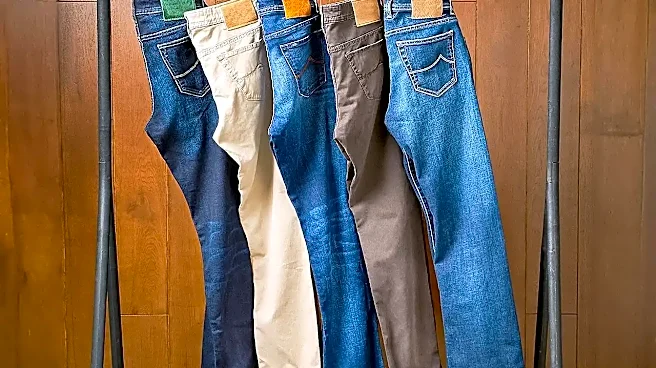
Your standard mid-range black jeans, typically from household names like Levi's, Madewell, or Gap, are the workhorses of the denim world. Priced comfortably under $150, their main appeal is accessibility. They offer a wide variety of fits, from slim to
straight, and often include stretch materials for out-of-the-box comfort. The fabric is usually a lighter to mid-weight denim, designed for everyday wear rather than extreme durability. Aesthetically, these jeans look sharp on day one. They provide a uniform, solid black that pairs with anything. The trade-off often comes with longevity. The dyeing process for mass-market jeans typically involves sulfur-based dyes that coat the surface of the cotton fibers rather than deeply penetrating them. This means that with friction and washing, the color is more prone to fading, often turning a familiar shade of charcoal gray within a year.
Decoding Premium: Fabric, Fiber, and Fit
So, what are you paying for with a premium pair from a brand like A.P.C., Acne Studios, or Nudie Jeans? It boils down to three things: fabric, construction, and dye. Premium denim often uses higher-quality, longer-staple cotton, which makes the fabric stronger and softer. Many high-end brands use selvedge denim, a fabric woven on vintage shuttle looms that creates a dense, durable weave with a signature self-finished edge you can see when you cuff the hem. This old-school method is much slower, which contributes to the higher cost. The construction also receives more attention, with details like reinforced stitching and higher-quality hardware that are designed to last. These jeans often feel stiffer at first, requiring a break-in period as they mold to your body.
The Color Conundrum: Fading and Character
The most noticeable difference over time between mid-range and premium black jeans is how they hold their color. Because the sulfur dye on less expensive jeans sits on the surface, it tends to fade more quickly and uniformly with every wash and wear. This isn't necessarily a bad thing if you like a washed-out, lived-in look. Premium black jeans, on the other hand, often employ more advanced dyeing techniques. Some are piece-dyed to ensure the color holds as long as possible, while others use rope-dyeing methods that allow for more interesting fading patterns over years, not months. Some brands even offer specific "stay black" technology that chemically bonds the dye to the fiber, significantly resisting fading from washing, friction, and even UV light. The result is a pair of jeans that either remains a deep, saturated black for years or develops unique, personal fade lines that tell a story.
It’s All in the Details: Stitching and Hardware
Look closely at a pair of premium jeans, and you'll notice the subtle markers of quality craftsmanship. The stitching is often denser and more precise. Many brands use chain stitching on the hem, a durable technique that creates a roping effect as the denim ages. The hardware—buttons, rivets, and zippers—is also a step up. Instead of generic, mass-produced components, you'll find custom-branded hardware that's built to withstand years of use without breaking or tarnishing. These small details might not be obvious from across the room, but they contribute to the overall lifespan and feel of the garment, preventing the kind of seam splits or button failures that can send a cheaper pair to the donation bin prematurely.
The Verdict: Cost-Per-Wear vs. Upfront Price
Ultimately, the choice between mid-range and premium black jeans isn't about which is definitively "better," but what offers the right value for you. If you enjoy rotating styles frequently or prioritize immediate comfort and a lower upfront cost, a solid pair of mid-range jeans is a perfectly smart buy. However, if you're looking for a long-term investment piece and appreciate the nuances of how fabric ages, a premium pair can be worth the splurge. The cost-per-wear of a $250 pair that lasts for five years and holds its color and shape can end up being lower than replacing a $80 pair every year. Think about whether you want a great pair of jeans for right now, or a great pair of jeans for the next several years.