





Born from a Different Mission
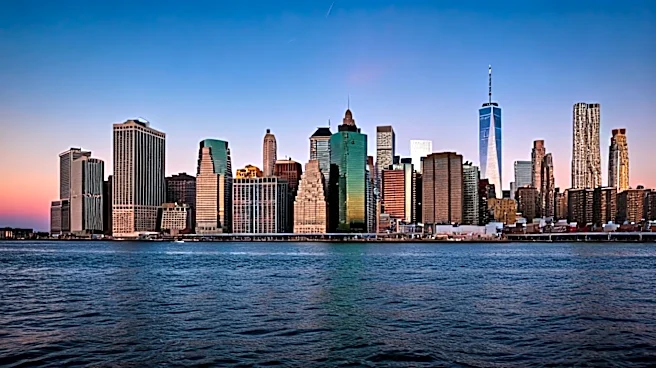
To understand Tribeca’s red carpet, you have to understand the festival’s DNA. Founded by Robert De Niro, Jane Rosenthal, and Craig Hatkoff in 2002, it wasn’t conceived as a glitzy industry showcase. Its primary mission was to heal and revitalize Lower
Manhattan after the 9/11 attacks. That spirit of community, resilience, and artistic purpose is baked into its identity. Unlike the established pageantry of Cannes or the institutional prestige of the Oscars, Tribeca began as an act of civic recovery. This foundational ethos means the festival has never been primarily about generating glamour for its own sake. The red carpet, by extension, serves the mission: to get people excited about congregating, celebrating storytelling, and supporting the city. It’s less of a global stage for fashion houses and more of a neighborhood block party, albeit a very well-dressed one.
The Unspoken Dress Code: Personal Style
At the Met Gala, the theme is everything. At the Oscars, it’s about timeless, capital-G Glamour. At Tribeca, the dress code is refreshingly simple: wear what feels right. Stars arrive in a mix that reflects a more realistic New York wardrobe. You’ll see a Chanel jacket paired with tailored trousers, an indie designer’s dress that hasn’t been seen anywhere else, or even a surprisingly dressed-down look from an A-lister. The pressure to secure a custom couture gown seems to evaporate south of 14th Street. This isn’t to say it’s not fashionable—it’s just a different kind of fashion. It’s style-driven rather than trend-driven. The looks feel chosen by the person wearing them, not by a committee of stylists and brand managers aiming for a viral moment. It’s the difference between wearing a costume for an event and simply wearing a great outfit to see a movie premiere with your colleagues.
An Accessible Mix of Talent
While major stars certainly walk Tribeca’s carpets, the festival is renowned for its focus on emerging talent and independent creators. On any given night, a bona fide movie star might be posing just a few feet away from a first-time director, a documentary subject, or a virtual reality artist. This blend democratizes the atmosphere. The energy isn’t solely focused on a handful of globally recognized faces. Instead, it’s a celebration of the entire creative ecosystem. Photographers are just as likely to be shouting for the director of a small indie darling as they are for its famous lead actor. This creates a palpable sense of shared purpose. The hierarchy that defines so many Hollywood events feels flattened, replaced by a more collegial vibe where everyone is there because they have a genuine stake in the art being presented.
The Film Is Still the Main Event
Perhaps the biggest difference is a matter of focus. At many major awards shows, the red carpet has become a spectacle that often overshadows the event it precedes. The fashion commentary, the interviews, and the social media analysis can feel more significant than the awards themselves. At Tribeca, the red carpet is clearly the prelude, not the main event. The energy is one of anticipation for the screening that’s about to happen. Conversations are about the film, the production process, and the story being told. It’s a working festival, and the red carpet functions as a brief, celebratory moment before everyone gets down to business—which, in this case, is watching a movie. That simple shift in priority changes everything. It recalibrates the experience, making the glamour feel like a fun bonus rather than the entire point.