


The Two Queens Dominating the Board
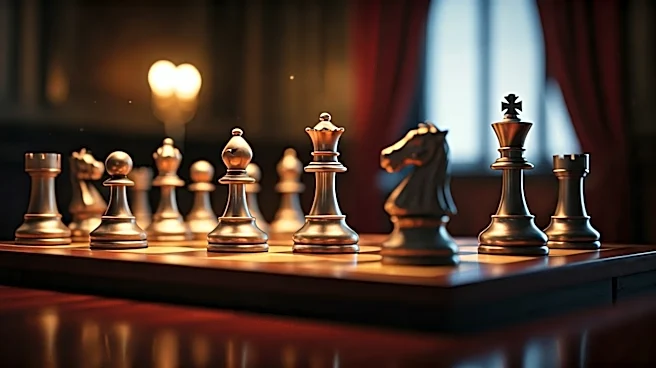
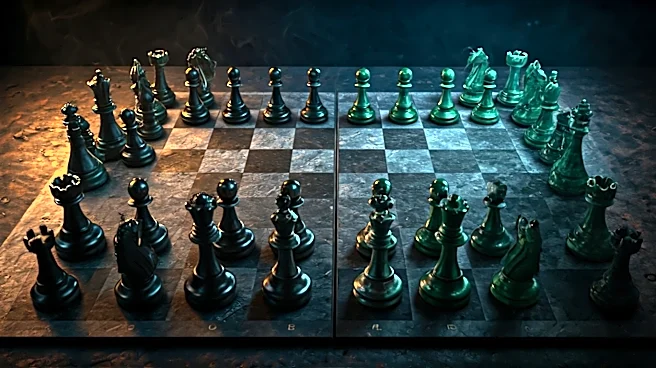
Every great chess match is ultimately defined by its most powerful pieces. In Westeros, the game is driven by two opposing queens: Rhaenyra Targaryen and Alicent Hightower. The show’s masterstroke is making their conflict deeply personal. They aren't
just leaders of the Blacks and the Greens; they are former childhood friends whose intimacy curdled into resentment and fear. Emma D’Arcy’s Rhaenyra moves with a reluctant, burdened sense of destiny, while Olivia Cooke’s Alicent operates from a place of rigid piety and manipulated panic. Every strategic decision they make—marriages, alliances, provocations—is colored by years of shared history. Their every glance across a crowded hall is a move and a countermove. They are the players who can cross the entire board, and the entire tragedy of the Dance of the Dragons stems from the fact that they are aimed directly at each other.
The Powerful, Straight-Moving Rooks
While the queens dictate the emotional tenor, the rooks control the board's physical power. These are the pieces that move in straight, predictable lines, representing established institutions and brute force. On one side, you have Otto Hightower (Rhys Ifans), the consummate political operator. His every action is a direct, calculated move to secure his bloodline on the Iron Throne. He is the Hand, the tower of power in King's Landing. Opposing him is Lord Corlys Velaryon (Steve Toussaint), “The Sea Snake.” As master of the mightiest fleet in the world, he controls the seas. His power is immense but geographically fixed. When he commits his forces, he moves his entire side of the board with him, securing critical territory. These men aren't subtle schemers in the shadows; they are the foundational pillars of their respective factions, and their straightforward, powerful moves define the war's major fronts.
The Wild Card Knights
No chess game is won by rooks alone. You need knights—the pieces that move in unpredictable L-shapes, capable of jumping over others and creating chaos. No character embodies this better than Daemon Targaryen (Matt Smith). He is the ultimate wild card. Is he loyal to his family or to his own ambition? The answer changes from episode to episode. He seizes Dragonstone, wins a war in the Stepstones, and murders his wife, all while seemingly operating on his own agenda. Yet he repeatedly returns to Rhaenyra’s side. Other characters serve a similar function. Larys Strong (Matthew Needham) is a quieter, more sinister knight, moving unseen through the court, gathering secrets and eliminating obstacles in shocking ways. These characters prevent the game from becoming a simple, head-on collision, introducing the elements of treachery and surprise that make the story so thrilling.
The Sacrificial Pawns
The most tragic figures on this chessboard are the pawns. In the beginning, this role is filled by the children: Jacaerys, Lucerys, Aegon, and Aemond. They are moved into positions of power and danger not by their own choice, but by their parents'. They are sent as envoys, married off for alliances, and placed on the front lines as symbols. Lucerys Velaryon’s death at the hands of Aemond is the quintessential pawn sacrifice—a move that doesn't immediately win the game but irrevocably escalates the conflict into open war. However, the most fascinating rule of chess is pawn promotion. If a pawn can reach the other side of the board, it can become a queen or another powerful piece. Aemond, once a bullied second son, claims the dragon Vhagar and becomes one of the Greens’ most terrifying assets. This dynamic—the expendable becoming powerful—is key to the show’s long-term drama.
The King as the Fallen Checkpoint
And what of King Viserys (Paddy Considine)? In this analogy, he isn’t a player at all. He is the king piece itself: the objective. The entire game, for the first season, is about positioning for control after his inevitable fall. His attempts to hold the family together are like a player trying to declare a stalemate while everyone else is preparing for war. His personal weakness, his love, and his indecisiveness create the very fractures that Rhaenyra and Alicent exploit. His death isn't a move; it's the event that signals the end of the opening game and the beginning of the bloody, brutal endgame. The board is set, the pieces are in motion, and with the king gone, there is nothing left to do but fight until only one side remains.