






It’s Not Style, It’s a Signal
First, understand that in a conservative field like consulting, grooming is less about personal expression and more about non-verbal communication. Your appearance is part of your professional toolkit, signaling attention to detail, organization, and respect
for the client's environment. People who 'get it right' don't see hair and makeup as vanity; they see it as part of their professional uniform. The goal is to look so put-together that your appearance becomes unmemorable, allowing your ideas and analysis to take center stage. Your attire and grooming shouldn't be the takeaway—your performance should be.
For Hair: Controlled and Intentional
The cardinal rule for professional hair is that it must look intentional and stay out of your face. Whether your hair is long, short, curly, or straight, it should look neat and controlled. For men, this means a recent, clean trim and neatly managed facial hair, if any. A clean-shaven look is the safest bet, but a well-trimmed beard is also acceptable in most modern firms. For women, options include a polished bun, a low ponytail, or wearing it down if it's styled neatly and won't require constant adjustment during a meeting. The key is to look like you didn't just roll out of bed; you made a conscious, professional choice. Getting a haircut a few days before a major interview or presentation is also a smart move, giving it time to settle.
For Makeup: Enhanced, Not Embellished
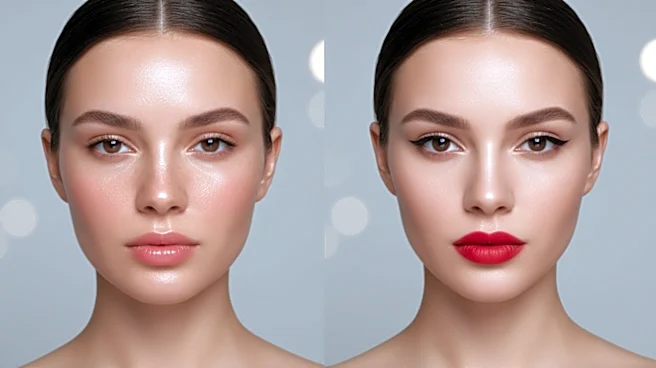
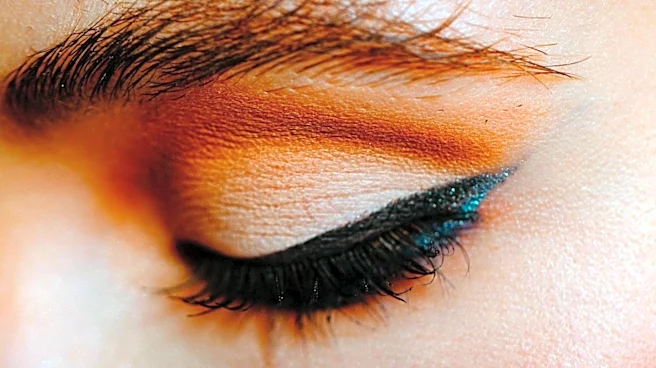
The philosophy for makeup in consulting is to look enhanced, refreshed, and awake—not “made up.” The goal is a natural, polished look. Think of it as the 'no-makeup' makeup look, executed flawlessly. This typically involves a light foundation or tinted moisturizer to even out skin tone, a bit of concealer where needed, filled-in brows, a neutral eyeshadow, and a subtle lip color. Bright, distracting colors, heavy eyeliner, and glitter are best saved for the weekend. The person who gets it right looks like they have great skin and are well-rested, not like they are wearing a lot of product. Their makeup serves to remove distractions (like signs of a late night working on a deck) rather than create new ones.
The Universal Details: Polish and Hygiene
Beyond hair and makeup, several small details collectively create a polished impression. Nails must be clean and trimmed for both men and women. If polish is worn, it should be a neutral shade or clear, with no chips. Fragrance is another key area; the best practice is to wear none at all. You never know who might have an allergy or sensitivity, and a strong scent can be distracting in a small meeting room. This extends to all aspects of personal hygiene, from fresh breath to clean, unscuffed shoes. These may seem like minor points, but in a field that prizes meticulousness, they are seen as reflections of your overall attention to detail.
The Final Layer: Reading the Room
Ultimately, the most skilled consultants adapt their level of formality to the specific environment. The unspoken dress code can vary significantly between a client in finance versus one in tech. The person who truly 'gets it right' pays attention. They observe what senior leaders and respected colleagues wear and adjust accordingly. While the baseline is always professional and neat, they can dial the formality up or down. This ability to observe and adapt is, in itself, a core consulting skill. Mastering this element of your personal presentation shows you're not just following a set of rules, but that you understand the context and culture you're operating in.