





The October Horror Machine
Not long ago, the autumn box office was a predictable landscape. The arrival of fall meant the return of reliable, high-concept horror franchises. The 2000s, for instance, were dominated by the elaborate traps of the Saw series and the low-fi, high-yield
scares of Paranormal Activity. These films were often enormously profitable, built on a studio model that prioritized repeatable formulas, marketable premises, and shocking twists over artistic nuance. The goal was a quick, visceral reaction from the audience—a jolt of adrenaline that made for a great Friday night but often faded by Saturday morning. The films were producer-driven, designed to be easily digestible and, most importantly, sequel-ready. This approach treated horror more like a seasonal commodity than a medium for serious storytelling.
Enter the Auteur
A24, founded in 2012, arrived with a different playbook. Instead of developing horror in-house with a focus on market trends, the indie distributor began acquiring films from festivals, betting on singular visions from up-and-coming directors. The pivot became undeniable with Robert Eggers’ 2016 masterpiece, The Witch. Released to critical acclaim, it was a horror film that defied convention. Set in 17th-century New England, it was a slow-burn tale of religious paranoia, trading jump scares for an oppressive, lingering atmosphere and meticulous period detail. It announced that A24 was backing horror that was willing to be challenging, patient, and deeply unsettling on a psychological level. This wasn't just a scary movie; it was cinema. The success of The Witch created a new lane for horror films that valued directorial vision and thematic depth.
From 'Hereditary' to 'Elevated Horror'
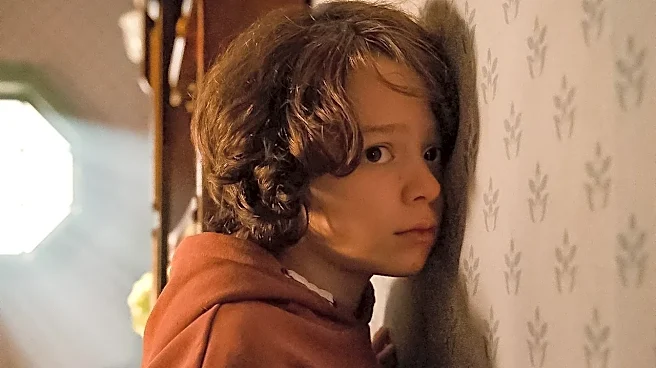
If The Witch was the mission statement, Ari Aster’s Hereditary was the global phenomenon. Released in 2018, the film became A24's highest-grossing movie at the time and cemented its reputation as the premier brand in artful horror. Hereditary was a raw, devastating exploration of grief and inherited trauma, disguised as a demonic possession story. Along with films like Midsommar and The Lighthouse, it helped popularize the term "elevated horror." The phrase, though sometimes criticized for being elitist, was used to describe horror films that prioritized psychological dread and complex themes over gore and cheap thrills. These weren't just scary movies; they were prestigious films that happened to be terrifying, earning critical respect and sparking endless cultural conversation.
Redefining a Horror Hit
A24’s strategy fundamentally changed what it meant for a horror film to be successful. The old model was simple: a big opening weekend. The new model, championed by A24, was more complex. Success was also measured by critical acclaim, cultural longevity, and the establishment of a director as a true auteur. By giving filmmakers like Ari Aster, Robert Eggers, and Ti West creative freedom, the studio cultivated a brand identity synonymous with quality and originality. This forced the rest of the industry to take notice. Other studios began chasing their own versions of "elevated horror," recognizing a growing audience appetite for smarter, more atmospheric scares. The result was a more diverse and artistically ambitious horror landscape, where personal, character-driven nightmares could thrive alongside traditional blockbusters.