






The Quarterback of Scoring
Let’s start simple. The Number 9 is the team’s central, most advanced attacker. In the classic lineup, players were assigned numbers 1 through 11 based on position, and 9 was the center-forward. While numbers are now more flexible, the label stuck. Think
of them as the focal point of the offense, the player the entire team is trying to set up for a score. If the quarterback’s job is to orchestrate the drive, the Number 9’s job is to finish it. They are the designated end zone threat, living in and around the most dangerous area on the field: the opponent’s penalty box.
The Goal-Line Power Back
One classic archetype of the Number 9 is the pure physical force. This player is big, strong, and thrives on contact. Their primary job is to occupy the big, bruising center-backs (the defensive tackles of soccer), win physical duels, and be an unmovable object in front of the goal. When the ball comes into the box, they use their strength to hold off defenders and power the ball into the net, often from just a few yards out. The perfect football translation? A goal-line power back. Think Derrick Henry on the 1-yard line. It’s not always pretty, but it’s brutally effective. The objective is singular: get the ball over the line, no matter who is in the way.
The Deep Threat Receiver
Another type of Number 9 is all about explosive speed and intelligent movement. This player doesn’t wrestle with defenders; they burn past them. They play on the shoulder of the last defender, constantly threatening to break in behind the defensive line for a one-on-one with the goalkeeper. Their mere presence stretches the defense and creates space for everyone else, just like a deep-threat receiver like Tyreek Hill forces a defense to play its safeties deeper. A player like Norway’s Erling Haaland embodies this. He might not touch the ball for minutes at a time, but the defense is in a constant state of panic, knowing that one perfect pass is all it takes for him to be in on goal.
The Modern Possession Tight End
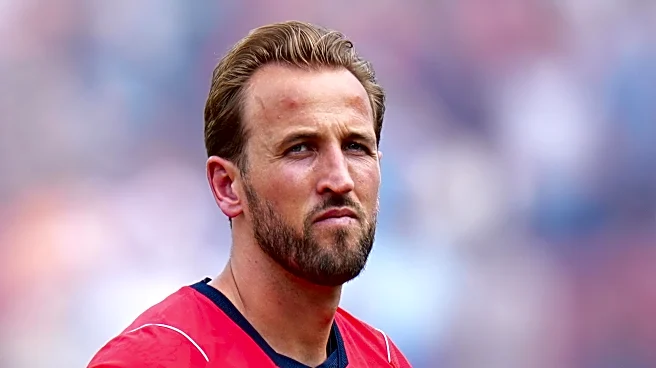
Soccer tactics have evolved, and the Number 9 role has, too. The modern striker often does more than just score. They drop deeper into the midfield to link up play, acting as a pivot point for the offense. They receive the ball with their back to the goal, hold off a defender, and lay it off to an onrushing teammate. This is the soccer equivalent of a modern, pass-catching tight end like Travis Kelce. Kelce isn’t just a red-zone threat; he’s an expert at finding soft spots in the defense, securing the catch, and moving the chains. Similarly, a link-up Number 9 like Harry Kane is crucial to his team’s possession game, creating chances for others as often as he takes them himself.
The Mental Game of the Finisher
Beyond the physical attributes, being a Number 9 requires a unique psychological profile. It’s a role defined by pressure and fine margins. They might only get one or two good chances a game, and they are expected to convert. This requires supreme confidence and a short memory—the kind of mentality you see in a closer in baseball or a quarterback leading a two-minute drill. They must have a dose of healthy selfishness, believing that they are the person to take the decisive shot. When they miss a huge opportunity, they can’t let it affect them. The next chance could come in 30 seconds, and they have to be ready.