


The Central Frenemy Feud
Every great reality show is built around a core conflict, often between two former best friends. Think Bethenny vs. Jill on The Real Housewives of New York or Lauren Conrad vs. Heidi Montag on The Hills. House of the Dragon is powered by the exact same
engine: the slow, agonizing decay of the friendship between Princess Rhaenyra Targaryen and Queen Alicent Hightower. Their relationship begins with genuine affection, but curdles over years of slights, misunderstandings, and political maneuvering. The drama isn’t about grand ideological battles; it’s about a perceived look at a funeral, a snide comment at a feast, and the bitter question of whose son is telling the truth. The entire civil war, the Dance of the Dragons, is ultimately a tragic, kingdom-shattering extension of a personal falling out.
The Agent of Chaos
No reality TV cast is complete without one member who exists solely to stir the pot. This is the person who makes impulsive decisions, delivers shocking insults, and ensures no dinner party ever ends peacefully. In Westeros, that role is filled spectacularly by Daemon Targaryen. He is the ultimate chaotic variable. Is he a loving husband or a murderous rogue? A loyal brother or a scheming usurper? The answer changes by the episode. Like a classic reality TV anti-hero, his motives are often selfish and his actions unpredictable, but he’s never boring. His mere presence at an event guarantees that tensions will escalate, whether he’s mocking his nephews, seducing his niece, or simply deciding to start a war on a whim. The producers (and the writers) know that when the plot stalls, you can always just cut to Daemon.
The Disastrous Dinner Party
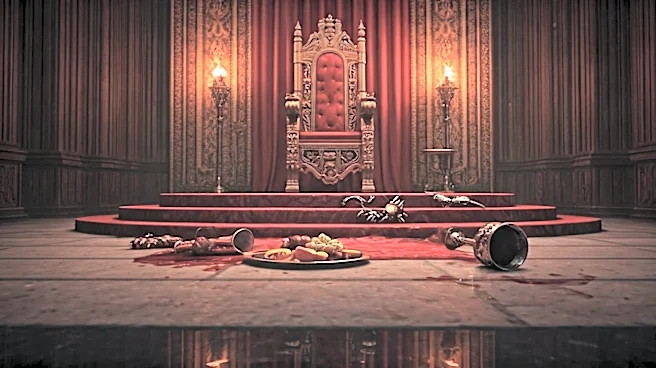
The dinner party is the Colosseum of reality television. It’s where simmering resentments are brought to a boil under the flimsy guise of a social gathering. House of the Dragon perfects this trope with the final family supper hosted by a dying King Viserys. The scene has all the hallmarks of a classic Vanderpump Rules meltdown. You have the desperate peacemaker (Viserys) begging everyone to just get along for his sake. You have forced, through-the-teeth apologies between rivals (Rhaenyra and Alicent). And, inevitably, you have the one cast member who can’t help but escalate things. Aemond’s sneering, passive-aggressive toast to his “strong” nephews is a move straight out of the reality TV playbook, designed to provoke maximum drama and ensure no fragile truce can possibly hold.
Alliances and Side Conversations
While House of the Dragon lacks the direct-to-camera “confessionals” that define reality TV, it achieves the same effect through endless private conversations. The show is a masterclass in characters pulling each other aside to whisper, plot, and vent. We see Larys Strong trading secrets for favors, Rhaenys Targaryen weighing her options with her husband, and Otto Hightower coaching his daughter on how to manipulate the king. These scenes function exactly like confessionals, giving the audience insight into a character’s true feelings and strategic thinking. The public-facing niceties are constantly undercut by the private plotting, creating a world where no one can be trusted and alliances are as flimsy as a paper cup.
A Toxic Family Business
At its heart, this isn't just a story about a kingdom; it’s a story about a family business gone horribly wrong. The Targaryens are the ultimate nepo babies, fighting over an inheritance they did nothing to build. The Iron Throne isn’t a political office; it’s the corner office in the family company. The squabbles are less about governance and more about who Dad loved more. Viserys is the aging, ineffectual patriarch trying to keep his dysfunctional family from tearing itself apart. His children and grandchildren aren’t debating policy; they’re fighting for their birthright. This framing transforms epic fantasy into a relatable, if horrifying, family drama. The stakes are just higher—instead of fighting over a Calabasas mansion, they’re fighting over a continent, and their arguments end with dragons setting people on fire.