







The Scoreboard Doesn't Tell the Whole Story
To the casual observer, a low-scoring game can feel like a failure—a contest where nothing happened. But in sports like soccer or hockey, the final score is merely the headline, not the entire article. The real story is written in the spaces between the goals.
A game that ends 1-0 or 0-0 isn't necessarily a boring affair; it can often be a sign that two evenly matched, highly disciplined teams are locked in a ferocious struggle for control. The tension in these games comes not from an avalanche of points, but from the constant, sustained threat of a single, decisive moment. A game with frequent scoring, like basketball, lessens the impact of any single point. But when a goal is a rare and precious event, the build-up, the near-misses, and the defensive stands become the main sources of drama.
The Unseen Chess Match
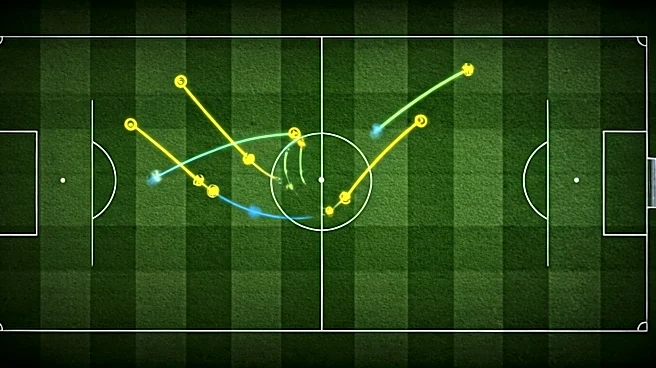
Low-scoring games are often tactical chess matches played at full speed. Coaches devise intricate systems to neutralize their opponent's strengths and exploit their weaknesses. In hockey, a prime example is the “neutral zone trap,” a defensive strategy designed to clog the middle of the ice and force turnovers before the opposing team can even mount an attack. By positioning players in specific formations like a 1-3-1 or 1-2-2, a team can effectively create a wall, disrupting the opponent's flow and turning defense into a counter-attacking weapon. Similarly, in soccer, watching a team execute a high press—where they collectively hunt down the ball in the opponent's half—is to see a coordinated dance of aggression and anticipation. These aren't random acts of running; they are rehearsed strategies designed to dictate the terms of the game. The excitement comes from watching one team set a trap and the other trying to find a way to escape it.
Appreciating the Art of Defense
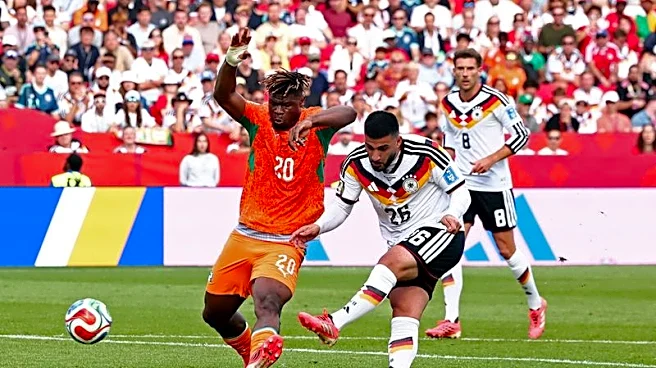
In a culture that often glorifies offense, it’s easy to overlook that preventing a goal is an art form. A perfectly timed slide tackle, a desperate goal-line clearance, or a goalie's acrobatic save are moments of incredible skill and athleticism that can be just as thrilling as a 30-yard screamer into the top corner. Defense isn't passive; it's an active, aggressive part of the game. Great defensive teams don't just react; they anticipate, organize, and communicate to control space and deny opportunities. A 0-0 score might not mean the attackers were incompetent; it often means the defenders were brilliant. Learning to appreciate a defender reading the play to intercept a pass or a defensive unit moving in perfect unison to close down lanes adds a whole new layer of enjoyment to the viewing experience.
How to Watch the Game Differently
So, how do you start seeing this hidden game? The first step is to occasionally stop watching the ball. Instead, watch the shapes the teams form when they are in and out of possession. Notice the space between the defensive line and the midfield. Is it compact, or is there room for attackers to operate? Watch a single player off the ball for a few minutes. Are they making runs to create space for others, or are they moving to cut off a passing lane? Listen to the commentators when they mention tactical shifts, like a change in formation after a substitution. Thinking about why a manager made that change can unlock the strategic narrative. By shifting your focus from just the outcome of each play to the process behind it, you start to see the constant ebb and flow of control, pressure, and strategy. The game stops being about waiting for a goal and starts being about the 90-minute battle to earn one.