




More Than a Market, It's a Movement
Before a single frame of a TV show is shot, a universe must be built in the hearts and minds of its first followers. This is the core business of New York Comic Con. While massive installations for established film and TV properties draw headlines, the true
work of fandom-building happens in the smaller, more intimate spaces. The event serves as a critical 'central nervous system for fandom,' a place where a direct, almost electric connection between a creator and a potential fan can be forged. It's a live, communal experience that a marketing email or a social media ad can never replicate. For authors and indie comic creators, the convention floor is less a sales floor and more a revival tent. It’s about converting the curious into the committed.
The Power of a Personal Pitch
The most fundamental lesson from NYCC comes from Artist Alley, the sprawling section where hundreds of independent creators set up shop. Here, success isn't just about having a great book; it's about the hustle of the handshake. Veteran con-goers and creators advise that simply sitting behind a table staring at a phone is a recipe for failure. The goal is engagement. This is where an author can personally walk a passerby through their world, explaining the story with a passion no marketing copy can match. It’s where an artist can do a free, on-the-spot sketch, creating a personalized artifact and a memorable interaction that a fan will talk about for years. This direct engagement transforms a consumer into a co-conspirator in the story's success.
Build a World They Can Walk Into
Forward-thinking brands are escalating this engagement. Look at WEBTOON, the digital comics giant, which is creating an immersive experience for its series 'FOG LAND' at this year's con, complete with a giant gacha machine and costumed character actors. This strategy takes the story off the page or screen and builds a tangible world for fans to physically enter. It's a powerful psychological tool: when you’ve 'been' to a place, even a fictional one, you feel a sense of ownership. This applies to panels as well. DC's focus on creator-driven panels for its Vertigo and Black Label imprints, which specialize in distinct horror and fantasy worlds, allows writers and artists to give fans a guided tour of the lore, making them feel like privileged insiders.
The Author as the First Star
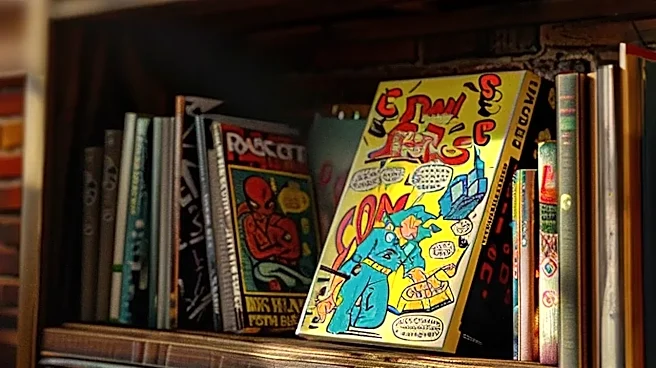
Long before a Hollywood actor is attached, the original creator is the celebrity. The buzz surrounding the author Matt Dinniman and his 'Dungeon Crawler Carl' series is a perfect example from NYCC 2026. The series, which began as a book, is now a comic with a slew of exclusive convention variants and a massive, dedicated panel. Fans line up for hours not for a movie star, but for the author who built the world they love. This grounds the fandom in the source material, making it more resilient and authentic. When fans are invested in the creator's vision first, they become the most passionate evangelists, spreading the word with an authority that no studio-led campaign can buy.