







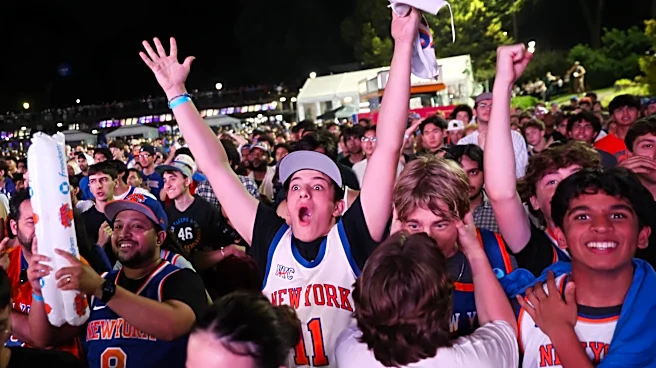


The Joy of a No-Risk Bet
First and foremost, rooting for the underdog as a neutral is an emotional freebie. It’s all upside. If the plucky longshot pulls off the miracle, you get to share in the explosion of collective joy. You were there. You believed (for the last three hours,
anyway). You can celebrate a historic moment without any of the preceding years of angst, heartbreak, and despair that the true fans endured. And if they lose, as they’re statistically expected to? No harm, no foul. You feel a fleeting pang of sympathy, shrug, and order another beer. There’s no emotional hangover, no week of moping. For a few hours, you get to experience the thrill of high-stakes competition with absolutely zero personal risk. It’s the emotional equivalent of playing poker with house money.
The 'Evil Empire' Effect
Let’s be honest: it’s fun to root against a dynasty. Whether it was the New England Patriots, the ‘90s Chicago Bulls, or the New York Yankees in their prime, dominant teams often take on the persona of an 'Evil Empire.' Their success feels inevitable, almost corporate. They have the superstars, the resources, and the swagger that comes with sustained excellence. For a neutral observer, cheering for the favorite can feel like rooting for the sun to rise. It’s predictable. But throwing your support behind the team trying to topple that empire? That’s joining a rebellion. It taps into a deep-seated American appreciation for fighting the establishment. Every defensive stop, every surprise score, feels like a blow against the monolith. There’s a delicious element of schadenfreude—pleasure derived from another’s misfortune—in watching an unbeatable titan finally show a crack in their armor.
A Shortcut to Community
Walking into a public space, wearing the colors of a team instantly signals your allegiance. For a neutral, putting on the underdog’s gear is a social lubricant. It’s an immediate passport into a temporary community. You’re not just a random person watching a screen; you’re now part of the smaller, more passionate tribe in the room. You share high-fives with strangers, groan in unison at a bad call, and feel a sense of belonging forged in the heat of the moment. This 'social identity theory' in action shows that we derive self-esteem from the groups we belong to. By donning the underdog’s colors, you instantly adopt a positive group identity: the hopeful, the scrappy, the believers. It’s a way to be part of the story, not just a spectator watching it unfold.
We're All Suckers for a Good Story
Ultimately, sports are about narrative. And there is no more compelling narrative in human history than David vs. Goliath. We are culturally hardwired to love it. The underdog story is about heart, grit, and defying the odds. It feels more earned, more pure. A victory by the favorite is an affirmation of the status quo; a victory by the underdog is a validation of hope itself. When a 15-seed in March Madness makes a deep run, or a wild-card team catches fire in the playoffs, it transcends the box score. It becomes a fable about what’s possible when a group plays with nothing to lose. By wearing their colors, neutral fans aren’t just picking a team; they’re choosing to believe in the better story. They’re casting their vote for drama, for suspense, and for the kind of magic that makes sports so captivating in the first place.