

The Festival Arms Race
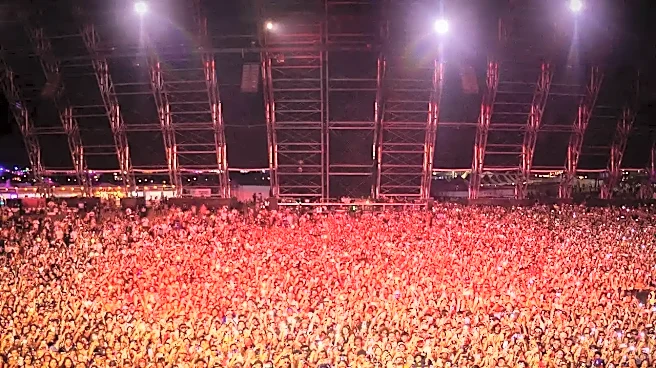
Modern music festivals have become an arms race of spectacle. From Coachella to Lollapalooza, the pressure is on for headliners to deliver a show that’s bigger, brighter, and louder than the last. We’re talking about towering LED screens displaying mind-bending
visuals, elaborate moving set pieces, perfectly timed pyrotechnics, and confetti cannons that seem to hold a year’s supply of paper. This trend toward maximalism is understandable; in a field with tens of thousands of fans, you need to do something big to command attention. The result is often a breathtaking display of technical achievement, a show so dense with sensory information that it feels like a live-action music video. But as stages get more complex, a question emerges: does more stuff always equal a better show?
Cutting Through the Noise
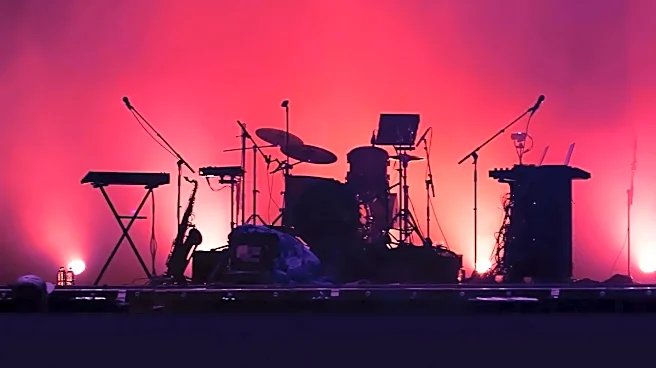
The counter-argument to this sensory onslaught is minimalism. This isn't about a lack of budget or ideas; it's a deliberate artistic choice to strip away the non-essential. When an artist walks onto a massive stage armed with just a guitar and a microphone, it’s a statement. It’s a bet that the music, the lyrics, and the charisma of the performer are enough. In an environment of constant stimulation, this simplicity can be jarring in the best way possible. It forces the audience to lean in and listen, creating a pocket of intimacy in a crowd of 80,000 people. While maximalism aims to overwhelm the senses, minimalism aims to connect with them on a more direct, human level. It’s the difference between a shout and a whisper; sometimes, the whisper is what makes everyone fall silent.
When the Artist Is the Show
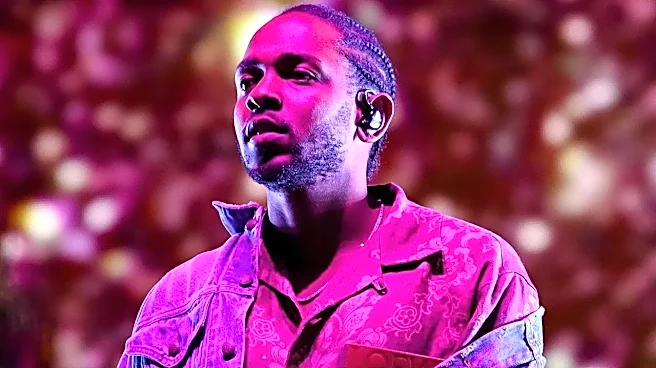
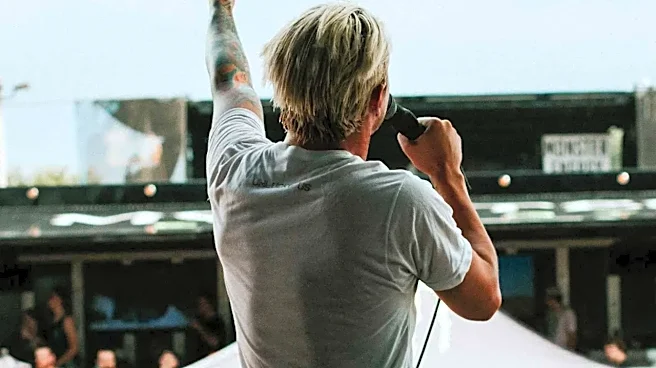
A stripped-down stage forces the focus back where it belongs: on the artist and their craft. Without the distraction of a thousand blinking lights or dancers in futuristic costumes, the audience has little choice but to engage with the performance itself. The power of a vocalist’s unadorned voice, the raw energy of a tight band, or the storytelling prowess of a songwriter becomes the main event. This approach requires immense confidence and talent. There's nothing to hide behind. Every note, every crack in the voice, every moment of silence is exposed. When it works, it creates a powerful bond between the artist and the audience, a shared experience that feels authentic and unrepeatable. It's a reminder that before festivals were multi-million dollar productions, they were simply about people gathering to hear music they loved.
An Austin State of Mind
This philosophy finds a particularly welcome home at Austin City Limits. While it has grown into a massive, mainstream festival, its roots are in the PBS show of the same name, which has celebrated musical artistry in an intimate setting for decades. The city's self-proclaimed title as the “Live Music Capital of the World” isn't just a marketing slogan; it reflects a deep-seated appreciation for musicianship that permeates the culture. The ACL crowd, a diverse mix of ages and tastes, often comes with a built-in respect for the craft. They are just as likely to sway gently to a country balladeer as they are to jump to an electronic set. This unique atmosphere, set against the iconic Austin skyline, creates a backdrop where an artist doesn't need a volcano stage to make an impact—the music is enough.