




Fabric: The Foundation of Feel
The most significant difference between price points lies in the raw materials. A mid-range top, typically in the $50 to $150 range, is often made from cotton, viscose, modal, or blends with a bit of spandex for stretch. These are good, functional fabrics
that offer comfort and breathability. However, premium brands build their reputation on superior fibers. For a top priced at $250 and up, you’ll find materials like fine-gauge merino wool, long-staple cotton, silk blends, and, of course, cashmere. These pricier yarns aren't just for show; they offer a noticeably softer feel, better temperature regulation, and a more graceful drape. While a mid-range viscose top might feel silky, a premium top made of a wool-cashmere blend often has a richer, more substantial feel that holds its shape beautifully throughout the day.
Construction: It's All in the Details
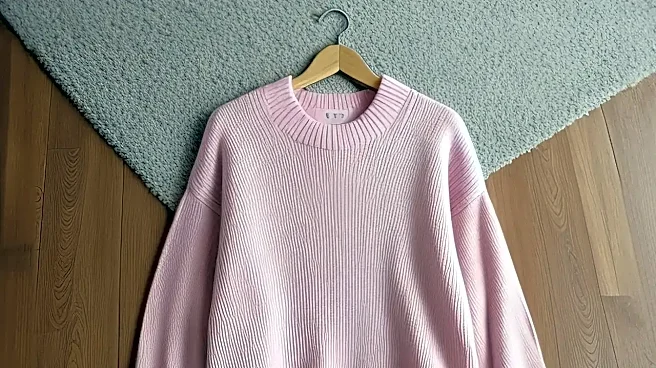
How a top is made is just as important as what it’s made of. Mid-range knits are typically mass-produced with simpler construction. The seams might be perfectly adequate, but they can be bulkier. Premium knitwear often features more meticulous construction techniques. Look for details like “fully-fashioned” knitting, where each piece of the garment is knit to the correct size and shape and then linked together. This results in cleaner, flatter seams and a superior fit that follows the body's contours more naturally. You may also notice that the ribbing itself is more defined and stable in a luxury top. Cheaper knits can sometimes have ribs that stretch out or warp after a few washes, whereas a high-quality, dense knit is engineered for better shape retention.
Fit and Drape: The Silhouette Story
This is where the difference becomes visible. A mid-range ribbed top often has a straightforward, standard-fit silhouette. It gets the job done. A premium top, however, is designed with more nuance. The drape—how the fabric hangs on the body—is a primary consideration. Luxury brands invest more in perfecting the cut, which might mean a slightly elongated sleeve, a uniquely sculpted neckline, or a hem that sits just right. For example, a premium top might use a heavier knit that skims the body without clinging, or a finer, more elastic rib that offers support and a sleek, compressive fit. These subtle differences in cut and material interaction are what create a more flattering and seemingly effortless silhouette.
Durability and Longevity: The Cost-Per-Wear Equation
Is a more expensive top a better investment? It depends on your goal. A major issue with lower-quality knits is their tendency to pill, stretch out, or lose their shape over time. This is often due to shorter fibers in the yarn and a looser knit construction. A premium top made from long-fiber cashmere or tightly spun merino wool is inherently more durable and resistant to pilling. While a $70 top might look great for a season, it may show its age much faster than a $350 top designed to last for years. The higher upfront cost of a premium piece can often translate to a lower cost-per-wear over its lifespan, making it a more economical choice in the long run if it becomes a foundational piece in your wardrobe.