





The Pull of a Perfect Past
When adapting a beloved historical novel, the first instinct is often to create a perfect, museum-quality replica of the era. For costume and production designer Catherine Martin, the initial process for The Great Gatsby began with deep, detective-like
research into the 1920s. The team dove into libraries and archives, analyzing what F. Scott Fitzgerald’s characters would have actually worn. This path would have led to a film filled with historically precise, low-waisted flapper dresses, cloche hats, and the authentic, slightly more frumpy silhouettes of the Jazz Age. The film could have easily become a beautifully rendered, but perhaps distant, historical document—a sepia-toned glimpse into a bygone world. But director Baz Luhrmann had a different idea.
A Deliberately Modern Vision
Luhrmann’s signature style isn't about creating nostalgic period pieces; it's about making history feel visceral and immediate. He famously said he didn't want a "sepia-toned New York" but one that felt as "vibrant and sexy and visceral and modern" as it did to Fitzgerald himself. He didn't want the 1920s to feel like a stuffy costume party from the past. The goal was for a modern audience to feel the same shock and excitement that people in the 1920s felt as social and sartorial rules were being broken for the first time. Women were shedding corsets and hiking up hemlines in a revolutionary way. Luhrmann needed a fashion language that could translate that revolutionary feeling to today's viewers, and strict adherence to history wasn't going to cut it.
Enter Miuccia Prada
The creative turning point came through a key collaboration with Italian designer Miuccia Prada. Martin and Luhrmann had a long-standing creative relationship with Prada, who designed Leonardo DiCaprio's suit in their 1996 film Romeo + Juliet. They recognized that Prada's design philosophy mirrored their own: she often draws on historical references but reinterprets them in a way that feels completely forward-looking. Martin hand-picked pieces from the Prada and Miu Miu archives that had a 1920s feel, even if they were from recent collections. Prada then adapted and designed over 40 looks for the film's spectacular party scenes, creating a collision of Jazz Age spirit and modern European glamour.
The 'Chandelier Dress' and Its Impact
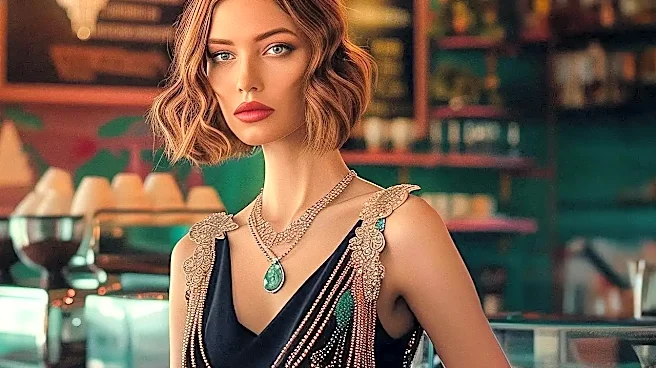
The most famous example of this fusion is the breathtaking 'chandelier' dress worn by Daisy Buchanan (Carey Mulligan) at one of Gatsby's parties. This wasn't a 1920s design but a reinterpretation of a dress from Prada's 2010 collection, dripping with crystals meant to evoke immense wealth and light. This and other dresses in the film were sleeker and more body-conscious than authentic 1920s garments, a deliberate choice to make the characters feel more contemporary and alluring to a modern eye. The collaboration wasn't about historical accuracy; it was about capturing a mood. As Martin explained, it reflected the blend of traditional American style and the decadent European sophistication that was emerging on the East Coast.
Anchored by American Tradition
While the womenswear soared with modern Italian flair, the menswear provided a crucial historical anchor. Catherine Martin collaborated with Brooks Brothers, a brand that F. Scott Fitzgerald himself wore and mentioned in his writing. Drawing from their own archives, Brooks Brothers manufactured over 500 ensembles for the film, from Jay Gatsby’s iconic pink suit to Nick Carraway’s more conservative attire. This provided a solid foundation of American authenticity, but even these classic pieces were tailored with a subtly modern fit. This balance between Brooks Brothers' historical legitimacy and Prada's contemporary vision is what created the film's unique and unforgettable stylistic world. The fashion became a bridge between the 1920s and the present, allowing the story’s themes of wealth, illusion, and longing to resonate powerfully.