


The End of Happy Accidents
Remember when the most iconic concert footage came from a fan who happened to be in the right place at the right time? That era is effectively over. The raw, shaky, and often-sideways video has been replaced by a much slicker, and far more calculated,
product. In 2026, the currency of the music industry is attention, and the battleground is the vertical scroll of TikTok, Instagram Reels, and YouTube Shorts. Artists and festival promoters have realized that waiting for a spontaneous viral moment is a losing game. Instead, they are manufacturing them. These short-form video platforms now drive music discovery and ticket sales, making a dedicated social media strategy essential. The result is that the 'behind-the-scenes' content you see is now a primary focus of the production itself.
The Pre-Production Playbook
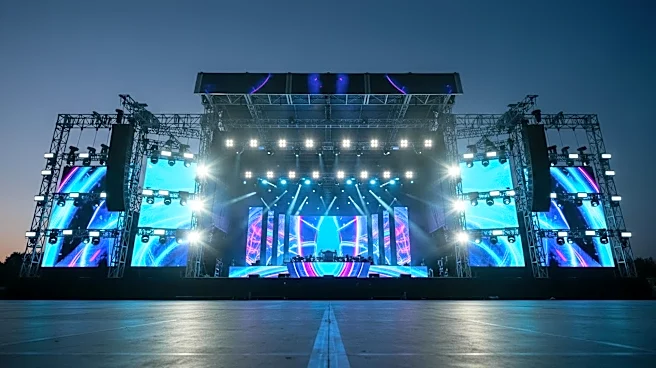
Long before the tour buses roll out, production teams are storyboarding the show for social media. This isn't just about planning the lighting design or setlist; it's about identifying specific, 10- to 30-second moments within the performance that are destined for a phone screen. A team might map out the exact moment in a song for a dramatic lighting change, a blast of confetti, or a key piece of artist choreography, all framed perfectly for a 9:16 aspect ratio. This requires a new level of collaboration. The lighting director, video screen designer, artist, and social media manager are all in the same meetings, asking the same question: 'What will look best on TikTok?' The process is about designing for the platform, not just documenting the event.
The On-Site 'Capture' Team
Walk around a major music festival today and you’ll see multiple video crews. Not all of them are for the main broadcast or the archival recording. A growing number of festivals and major tours now employ dedicated 'content capture' teams. Their only job is to shoot for social media. Armed with phones or cameras rigged to shoot vertically, they follow a strict shot list derived from the pre-production playbook. Their goal isn't to capture the whole show, but to perfectly execute the pre-planned viral moments. They know exactly where to stand for the guitar solo, when the pyro will hit, and how the artist will interact with the crowd. This content is then edited and uploaded almost instantly, often appearing on official accounts before the headliner has even finished their set.
Designing for the Phone Screen
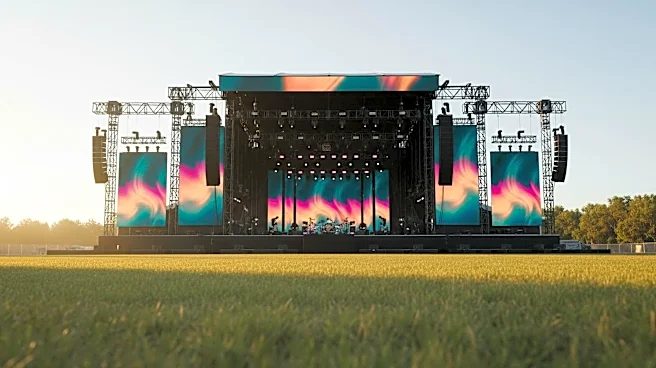
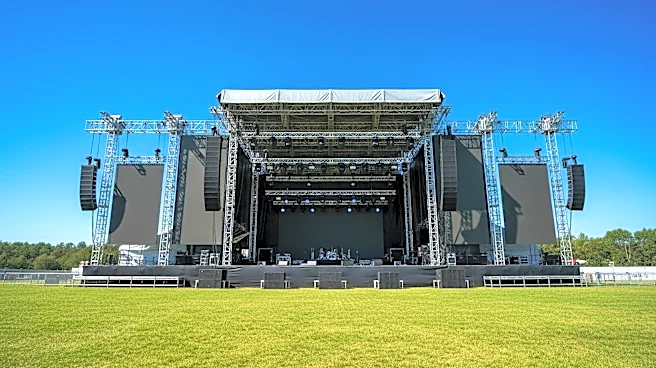
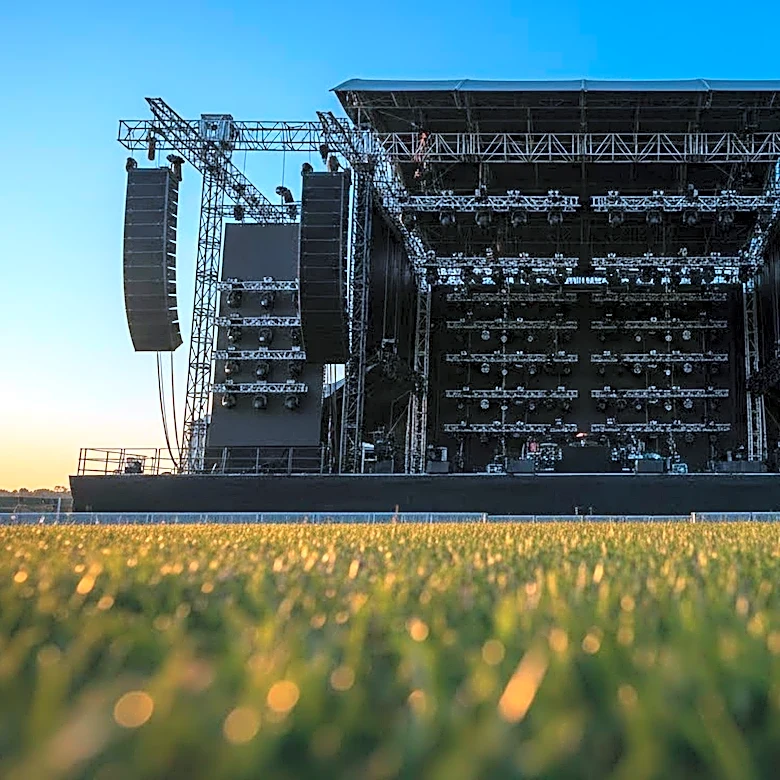
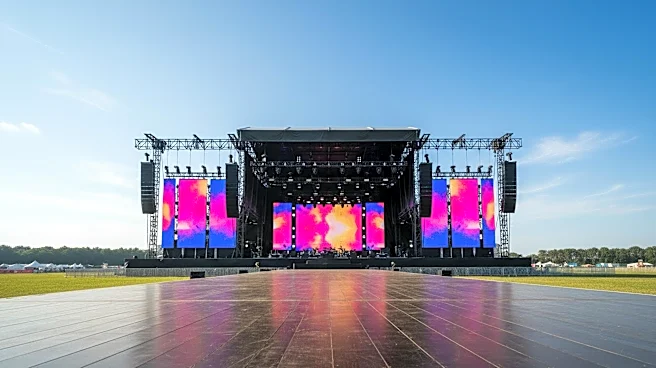
This strategic shift is fundamentally changing the look and feel of live performances. The vertical frame, once seen as an amateur annoyance, now dictates creative choices. A wide, sprawling stage design might look incredible in person or on a widescreen TV, but it's lost in a vertical clip. As a result, artists and designers are focusing on tall, central elements—towering lighting rigs, vertical LED screens, and action that keeps the artist tightly framed in the center. Composition is key; what works horizontally often fails vertically. Production crews have to think about height, tight close-ups, and creating visual interest in a narrow column. The result is a show that is increasingly designed to be viewed through a phone, even for the people who are physically there.