





The Brain's Surprise Party
The magic of hearing a favorite song unexpectedly begins with a jolt of surprise. Unlike queuing up a playlist, where your brain knows what’s coming, an unexpected song hijacks your attention. This surprise triggers a powerful response in your brain’s
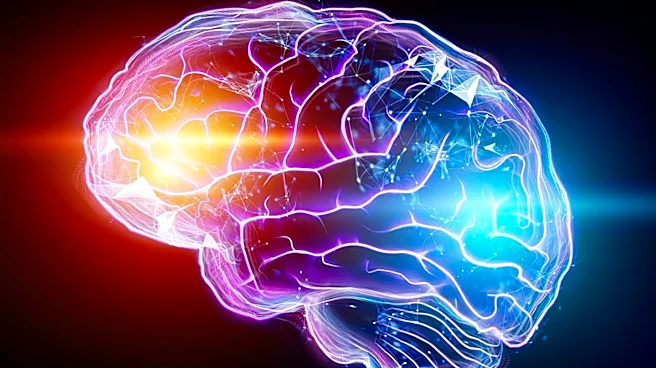
reward system. Neuroscientists have found that listening to music, especially beloved tracks, causes a release of dopamine, the neurotransmitter associated with pleasure and reward. This is the same “feel-good” chemical involved when we eat delicious food or achieve a goal. When the song is both familiar and unexpected, the dopamine rush can be even more potent, creating an instant, unearned moment of bliss. Your brain essentially throws a surprise party for itself, and you get to enjoy the good vibes.
A Direct Line to Your Past
Music is a uniquely powerful key for unlocking memories. This phenomenon, known as music-evoked autobiographical memory (MEAM), happens because music is processed in brain regions closely tied to emotion and memory, like the hippocampus and the amygdala. A favorite song doesn't just remind you of the past; it can emotionally transport you back to a specific time and place. You might suddenly recall the feeling of a high school dance, a summer road trip, or a quiet moment with a loved one with vivid detail. This is especially true for music from our adolescence, a period researchers call the "reminiscence bump," where we form incredibly strong emotional connections to the songs that define our identity. Hearing that song is like opening a perfect, emotionally charged time capsule.
The Comfort of Knowing What's Next
Our brains are prediction machines; they love patterns and the satisfaction of knowing what comes next. While the song's appearance might be a surprise, the song itself is deeply familiar. As the verse unfolds, your brain anticipates the chorus it knows so well. When the music delivers on that expectation, it creates a sense of comfort, order, and resolution. This process of tension and release is fundamental to how we enjoy music. It’s a low-stakes game of prediction that our brain wins every time, providing a subtle but significant sense of mastery and pleasure. The familiarity feels safe and grounding, a predictable pattern in an often-unpredictable world. This cognitive comfort adds another layer to the joy, mixing the thrill of the new (hearing it now) with the comfort of the old (knowing every word).
The Feeling of a Shared Experience
Hearing a song on the radio or in a public space carries a social weight that listening on your headphones doesn't. It implies a shared experience; at that moment, other people are hearing it too. Music is deeply social. Our favorite songs are often intertwined with friendships, family, and communal experiences. That tune might remind you of singing in the car with your best friends or a song that was played at every party one specific summer. Hearing it broadcasted out in the world, chosen by someone else like a DJ, reinforces that sense of connection. It’s a reminder that the song wasn't just important to you, but was part of a larger cultural moment, connecting you to a whole community of people who share that same musical memory.