



It All Begins with the Fabric
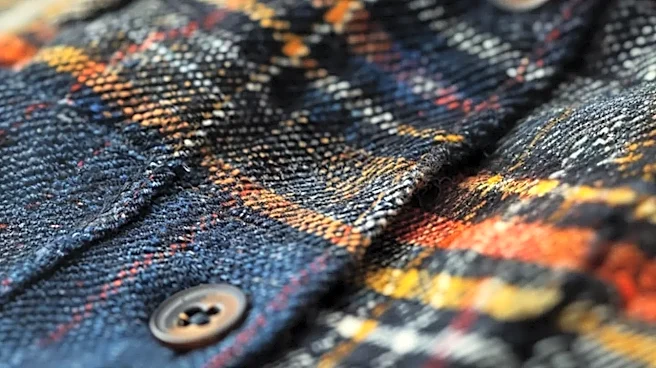
The single biggest factor in a shirt's presence is its fabric. A shirt that looks 'flat' is often made from a thin, low-quality cotton that lacks structure. For a sharp appearance, the weave is everything. Poplin is a classic choice, known for its smooth,
crisp surface that gives it a formal, clean look. However, it can be slightly transparent. For more opacity and a bit of texture, twill is an excellent alternative. Its diagonal weave gives the fabric a subtle sheen and makes it more wrinkle-resistant, helping it look sharp all day. Oxford cloth is a more casual, durable option with a textured basketweave, perfect for a relaxed but put-together style. Regardless of the weave, look for long-staple cottons like Pima or Egyptian, as their longer fibers result in a smoother, more durable fabric that holds its shape.
The Collar Is Everything
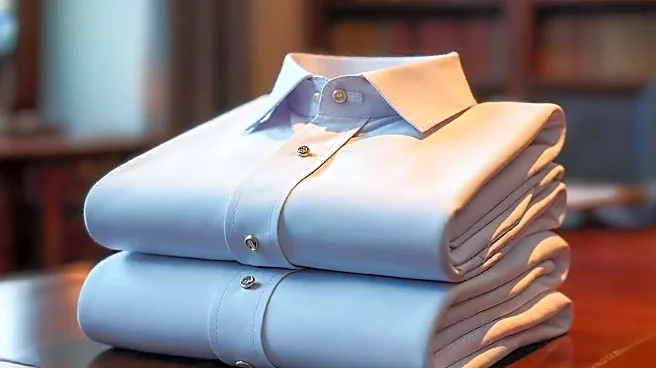
A cheap, floppy collar is the fastest way to ruin a shirt's look. A quality collar has structure, thanks to a hidden internal layer called interlining. This allows the collar to stand up properly and create a graceful 'roll' around the neck, rather than collapsing flat against your collarbone. This subtle curve frames the face and holds its shape, with or without a tie. Many well-made dress shirts also feature removable collar stays—small plastic or metal tabs that slide into pockets on the underside of the collar points. These keep the points sharp and prevent them from curling upwards. Always remember to remove them before washing to prevent the collar from warping.
Fit Is a Non-Negotiable
Even the most expensive shirt will look sloppy if it doesn’t fit correctly. A sharp fit isn’t about being uncomfortably tight; it's about clean lines. The shoulder seams should sit directly on the edge of your shoulders. The sleeves should be long enough to show about half an inch of cuff beyond your jacket sleeve, and the cuffs themselves should be snug enough that they don't slide down over your hands. Through the body, the shirt should follow your torso without excessive fabric billowing at the waist when tucked in. Too much fabric creates a 'muffin-top' effect, while a shirt that pulls at the buttons looks strained. A well-fitting shirt allows for comfortable movement while maintaining a neat silhouette.
Look for the Finer Details
The small things collectively signal quality. First, look at the buttons. Higher-quality shirts often use thick, lustrous mother-of-pearl buttons instead of thin, cheap plastic ones that can crack or melt under an iron. Next, inspect the stitching. Denser stitching, with more stitches per inch, creates stronger and cleaner seams that are less likely to pucker. A French seam, where the raw edge of the fabric is tucked away inside a clean, finished seam, is another sign of quality craftsmanship you can spot by turning the shirt inside out. Finally, check the placket—the strip of fabric with the buttonholes. A 'French placket' is a clean, seamless style without a visible line of stitching, offering a more modern and minimalist look.
Upkeep Is the Final Polish
A great shirt can still look flat if not cared for properly. To maintain that crispness, always wash whites separately to prevent discoloration. Avoid using too much bleach, which can weaken fabric fibers and cause yellowing over time; baking soda or white vinegar are gentler alternatives for brightening. When drying, skip the high heat, which can set wrinkles and damage the fabric. Air-drying on a hanger is ideal. For that truly sharp finish, nothing beats a good ironing. Iron the shirt while it’s still slightly damp, starting with the collar and cuffs before moving to the main body. A light application of spray starch can provide extra crispness, especially for the collar.