



The Default Setting for a New Generation
Five years ago, turning on subtitles might have meant you had a hearing impairment or were diving into a foreign film. Today, it’s mainstream behavior. According to a 2024 survey, 50% of all American viewers use subtitles most of the time, and that number
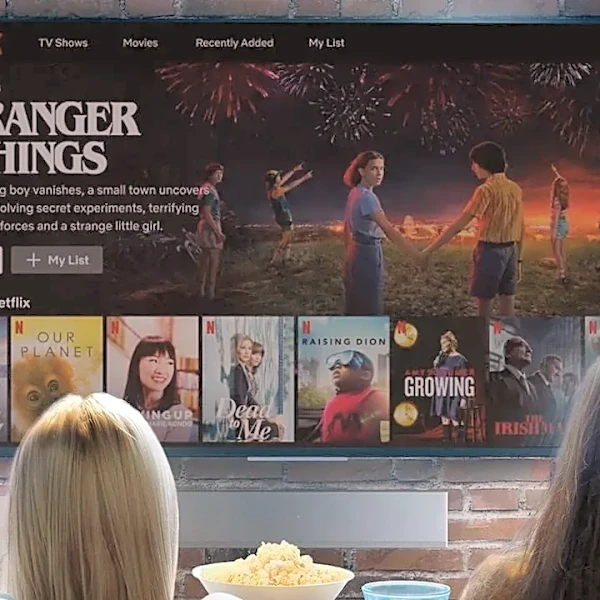
skyrockets to 70% for Gen Z. Streaming giant Netflix reports that 80% of its global users turn on subtitles at least once a month, with 40% keeping them on constantly. This isn’t just about accessibility anymore; it’s about preference. Viewers are multitasking on a second screen, struggling to hear mumbled dialogue over loud sound effects, or simply find they retain more information with text support. This behavioral shift has enormous consequences for what we watch. It means a thriller from Spain, a drama from Korea, or a comedy from Brazil is no longer a niche interest but a potential global blockbuster, accessible to anyone with the click of a button.
More Than Just Translation
The secret to a show's global success isn't just having subtitles; it's having the right subtitles. The process, known in the industry as localization, is an art form that goes far beyond literal word-for-word translation. A great localization effort adapts cultural references, humor, and idiomatic expressions that have no direct equivalent in another language. Think of a joke that relies on a specific local celebrity or a political reference. A literal translation would fall flat. A skilled localization team will find a culturally relevant equivalent that preserves the intent and humor of the original line. This process, also called transcreation, is what makes a show feel native and resonant to a foreign audience, rather than a clunky, confusing import. It's the difference between simply understanding the plot and truly connecting with the characters and their world.
The Business of Understanding
For streaming platforms like Netflix, HBO Max, and Amazon Prime Video, subtitles are a core part of their growth strategy. Every language added is a new market unlocked. Research shows that subtitled videos can boost viewership by up to 40% and that viewers are 80% more likely to watch a video to the end if captions are available. Netflix has even noted that users who engage with subtitles tend to watch more content and finish more series. This data proves that subtitles are not a cost center but an investment with a clear return. By making their vast libraries accessible to hundreds of millions of potential viewers who don't speak the original language, streamers are building a bigger, more engaged, and more loyal subscriber base. It's a simple equation: more languages lead to more viewers, which leads to more revenue.
The Subtitle vs. Dubbing Debate
Of course, subtitles aren't the only option for localization. Dubbing, or replacing the original dialogue with a recording in the viewer's language, is also widely used. The preference often varies by country and even by generation. While dubbing allows viewers to focus entirely on the visuals without reading, it can be more expensive and risks losing the nuance of the original actors' performances. Subtitles preserve that authenticity. Increasingly, younger audiences who have grown up in the streaming era are more comfortable with subtitles, seeing them as the more authentic way to experience international content. As a Korean study from October 2026 noted, fans of a recent animated hit overwhelmingly chose the subtitled version to hear the original voice actors, who were hand-picked by the creator. The best strategy, employed by many platforms, is to offer both, letting the viewer decide how they want to watch.