



More Than Just a Day at the Races
For Americans, the easiest comparison for Royal Ascot might be the Kentucky Derby, but you’d have to multiply the pomp and tradition by a factor of ten. Held for five days every June in Berkshire, England, it's a centuries-old event with the British Royal Family
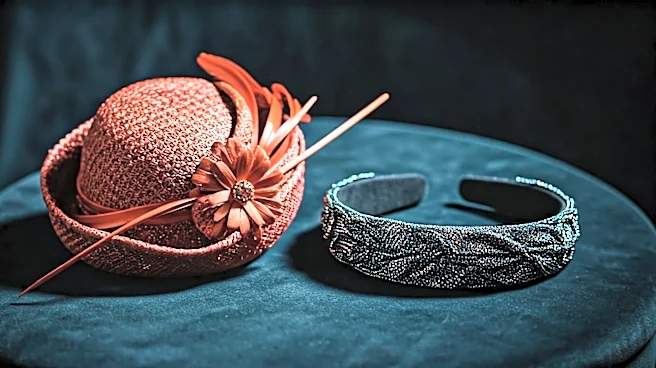
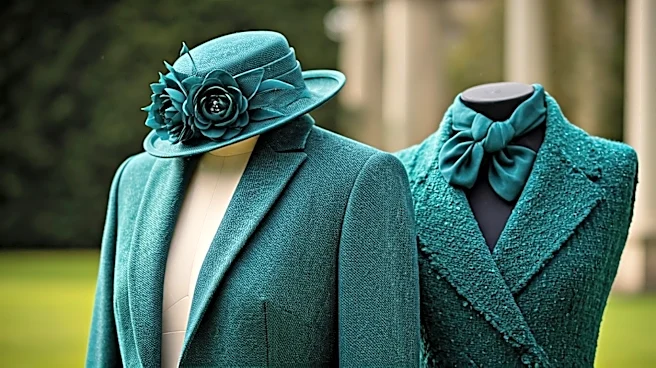
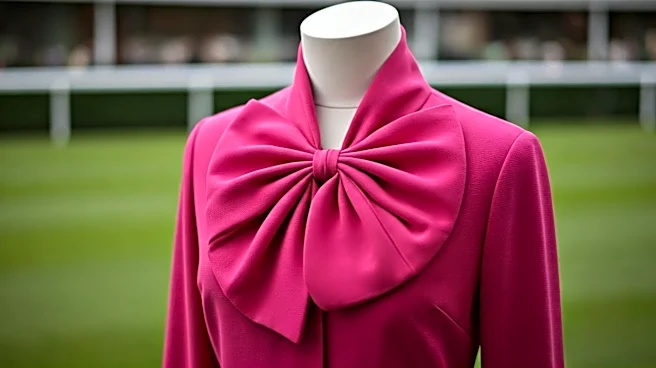
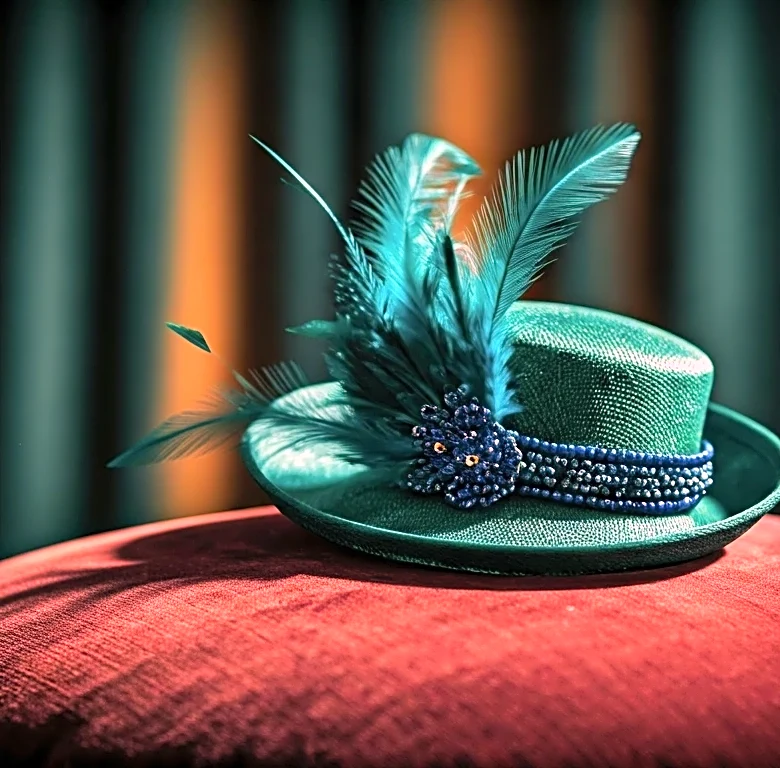
at its center. They arrive each day in a horse-drawn carriage procession, setting the tone for an affair that is as much about social grace and sartorial splendor as it is about thoroughbreds. The event is governed by a notoriously strict dress code, especially within the prestigious Royal Enclosure, where guests must adhere to rigid rules on dress length, strap width, and, of course, headwear. For men, it’s morning suits and top hats. For women, it’s a masterclass in formal daywear. This isn't just about looking good; it's about upholding a standard of decorum that has defined the event for generations.
The Unexpected Wardrobe Villain
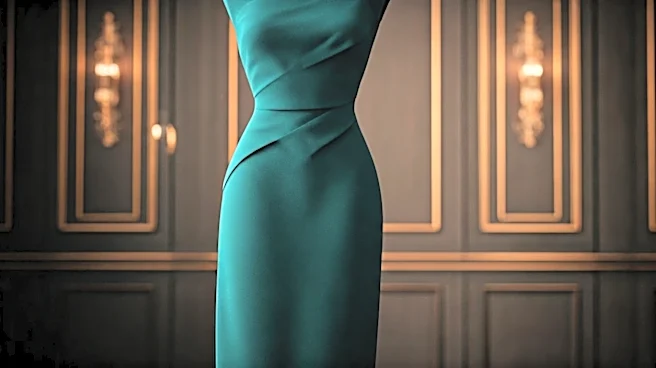
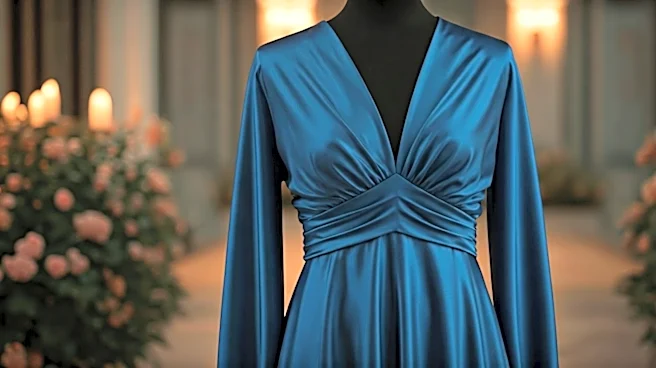
Imagine spending thousands on a bespoke outfit and a sculptural Philip Treacy hat, only to have your entire look ruined by a single gust of wind. Racecourses, by their nature, are wide-open spaces, and the weather in England is famously fickle. A sudden breeze can turn a perfectly draped dress or a chic A-line skirt into a chaotic, billowing mess. At an event where every detail is scrutinized and poise is paramount, a Marilyn Monroe-esque moment is the ultimate fashion faux pas. It’s not just embarrassing; it’s seen as a failure of preparation. In the world of high-society dressing, looking effortless actually requires an immense amount of effort and foresight. And the primary enemy of that effortless look is an unpredictable British crosswind.
Fashion's Oldest, Smartest Trick
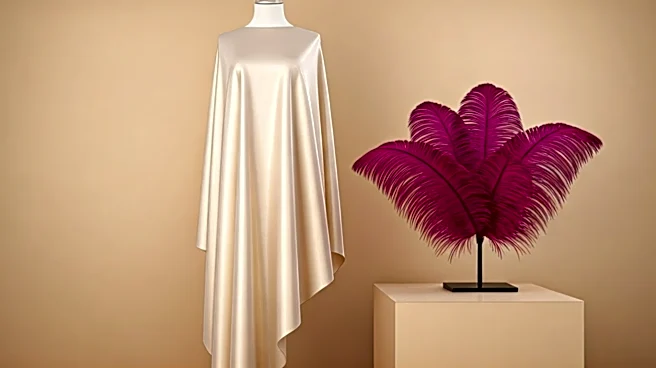
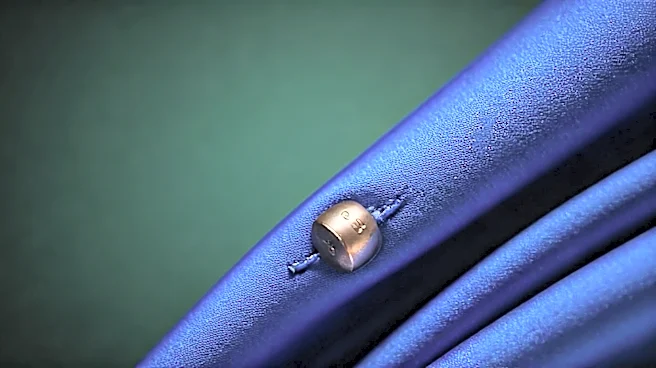
Enter the hem weight. This isn't a new-fangled piece of technology; it's a time-honored trick of the couturier's trade. The concept is brilliantly simple: small, discreet weights are sewn into the hemline of a dress or skirt. These can be tiny, coin-like lead weights slipped into the fabric of the hem or a delicate chain that runs along the inside bottom edge, similar to what you might find on high-end curtains to ensure they hang perfectly. The added weight is just enough to counteract the lifting effect of the wind, keeping the garment in its intended place. It’s an invisible solution that provides sartorial security, allowing the wearer to walk, stand, and socialize with confidence, no matter what the weather decides to do. It’s the fashion equivalent of an insurance policy.
A Trick Straight from the Royal Playbook
If you want to know who perfected this technique, look no further than the late Queen Elizabeth II. As one of the most photographed women in the world, she couldn't afford a single wardrobe malfunction. Her longtime couturier, Stewart Parvin, revealed that he regularly sewed small, curtain-style weights into the hems of her coats and dresses to ensure they never flew up in the wind, whether she was stepping off a plane or attending an outdoor event like Ascot. This royal-approved method has been adopted by designers and stylists dressing the next generation of royals, including Catherine, Princess of Wales, and other high-profile attendees. When you see a royal lady looking impeccably composed as a breeze sweeps across the parade ring, it’s not magic—it’s meticulously planned physics. It's a testament to the idea that true style isn't just about the aesthetic; it's about flawless execution.