

They Go Beyond '100% Wool'
Any shopper can check a tag, but a buyer looks for the story behind the fiber. They aren’t just looking for natural materials; they're assessing the quality of those materials. A buyer will prioritize superfine merino wool for its softness and resilience,
or specific grades of cashmere known for long fibers that resist pilling. In the context of Copenhagen, this also means an appreciation for blends that offer functionality and texture—like mohair for a fuzzy halo or a touch of silk for drape and strength. The sustainability of the yarn is also a huge factor; buyers are increasingly investing in brands with transparent sourcing and eco-conscious production, a cornerstone of the modern Nordic design ethos.
They Obsess Over 'Handfeel' and Knit
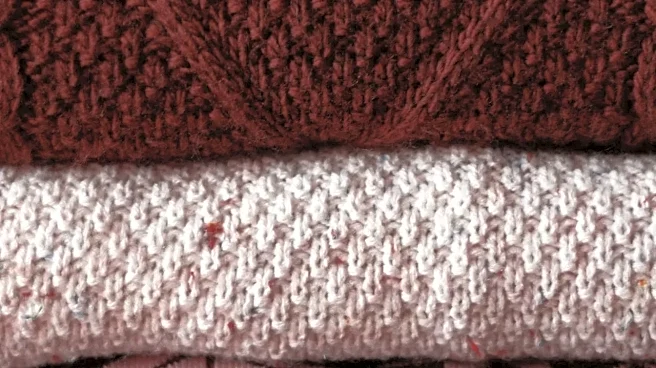
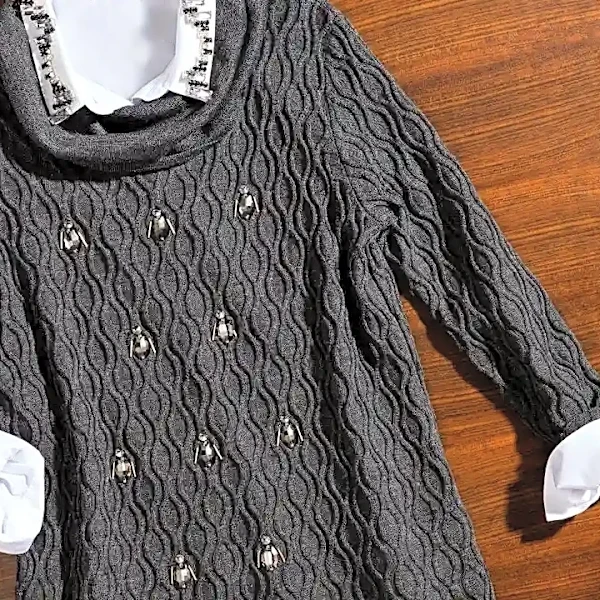
Before even considering the fit, a buyer picks up the garment and assesses its 'handfeel'. Does it feel substantial? Is the texture soft or pleasingly rustic? There's nothing worse than an itchy sweater, and a buyer knows a cheap yarn by touch alone. They also examine the knit itself. Is the stitch density consistent and tight, which suggests durability and warmth? Or is it an intentional open-weave or sheer knit, a trend seen on recent Copenhagen runways? They look for interesting techniques like intricate cables, Fair Isle patterns, or playful, 'off-kilter' constructions that give a sweater its unique personality. These details are what elevate a simple garment to a statement piece.
They Look for a Modern, Not Just a Classic, Silhouette
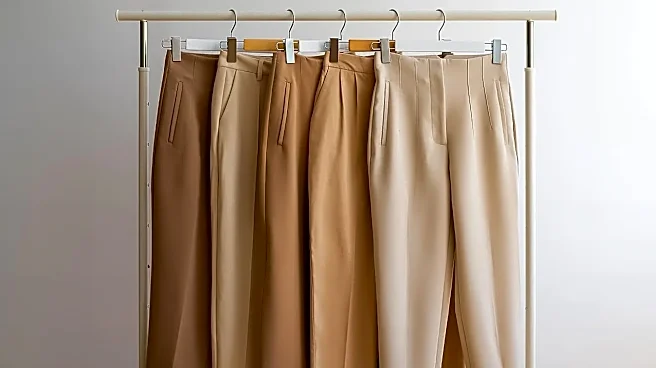
A great Copenhagen knit isn’t just a basic crewneck. Buyers are searching for a silhouette that feels current and versatile. This could be a slightly oversized fit, a dropped shoulder, a sculptural sleeve, or an interesting crop length that pairs perfectly with high-waisted trousers. The overall proportion is key. It needs to look intentional and drape correctly on the body. Recent Copenhagen shows have featured everything from form-fitting sheer knits to oversized V-necks and belted knit collars, demonstrating a focus on sweaters as thoughtfully designed architectural pieces, not just layering basics.
They Scrutinize the Construction
This is where a buyer's trained eye really comes into play. They turn the garment inside out to inspect the seams. The gold standard is 'fully fashioned' knitwear, where each piece of the sweater is knit to shape and then linked together. This method results in less bulk, a better fit, and greater durability compared to cheaper 'cut and sew' methods. A buyer also checks the details: Is the ribbing at the cuffs and hem firm and elastic, so it will snap back into shape and not stretch out over time? Are the buttonholes reinforced? These small markers of craftsmanship signal a long-lasting, high-quality product.
They Analyze the Color Palette
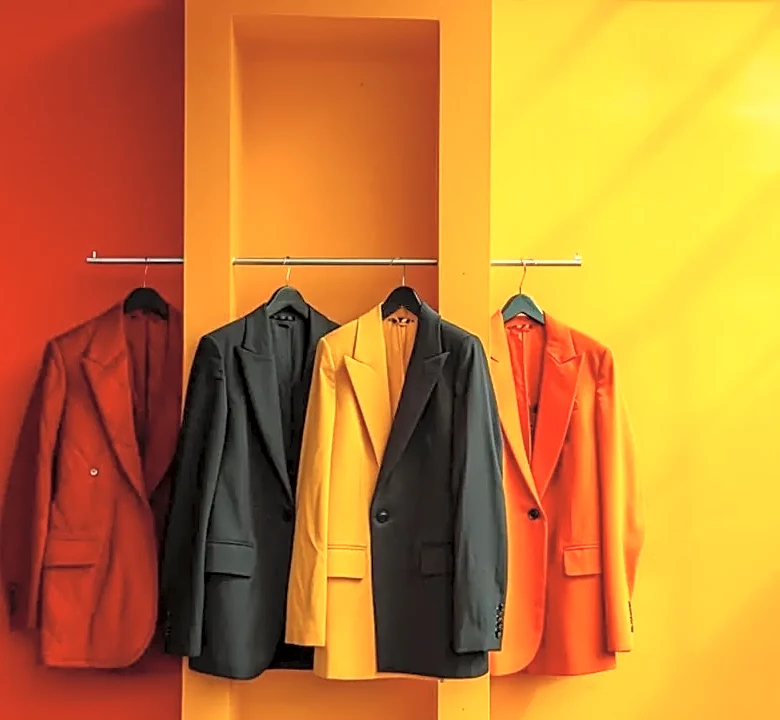
While Scandinavian style is known for its neutrals, buyers understand the power of a sophisticated color. They look beyond basic black, grey, and beige. A strong collection will feature nuanced, slightly 'off' shades—think dusty olive, rich navy, muted lilacs, or earthy terracotta tones. These complex colors are harder to achieve and signal a more considered design process. At the same time, Copenhagen is famous for its playful use of 'dopamine dressing,' so buyers are also on the lookout for a surprising pop of color, like a bold chartreuse or a vibrant red, that can punctuate an otherwise minimalist wardrobe. A brand that masters both muted sophistication and confident color is a clear winner.
They Buy Into the Brand's 'Why'
Ultimately, a fashion buyer isn't just purchasing a sweater; they're investing in a brand's point of view. They look for consistency and a clear identity season after season. Does the brand have a unique story? Is there a tangible sense of community around it? In Copenhagen, where the fashion scene is tight-knit, this is especially important. Brands that successfully blend timeless design with a modern, sustainable ethos are the ones that capture a buyer's attention. They're looking for pieces that feel both of-the-moment and like a forever addition to a wardrobe—the very definition of the coveted Scandi aesthetic.