







The Sound Before the Storm
Before any great sporting spectacle begins, there is a period of intense, collective waiting. In soccer, especially during a knockout tournament like the World Cup, this waiting period is thick with nervous energy. Fans file in, find their seats, and
a low murmur fills the vast space. But this quiet is a vacuum, and nature—in this case, human nature—abhors it. This is where the chanting begins. It starts not as an act of aggression, but as one of community. Singing together is a deeply human way to build bonds. Psychologists note that the synchronized effort and muscular exertion of chanting can release endorphins, forging social bonds and creating a powerful sense of unity. A simple melody, often borrowed from a pop song or a traditional hymn, becomes a way for thousands of strangers to declare they are part of the same tribe, all sharing the same hope. It’s an act of collective identity, turning individual anxiety into a shared, audible presence.
From Unity to Intimidation
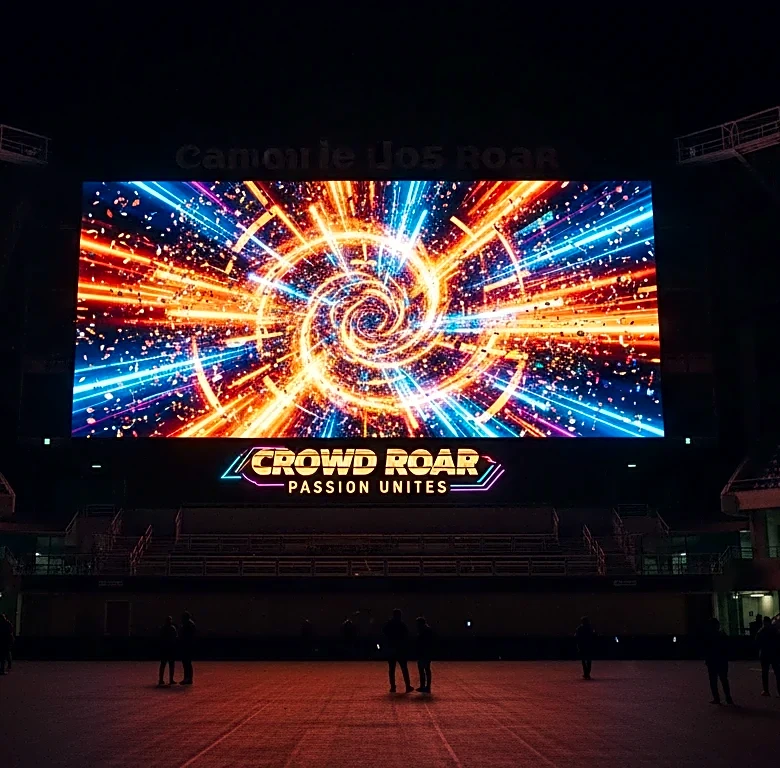
As kickoff approaches, the nature of the chants begins to shift. The songs that were once about building internal community pivot outward, becoming a tool to create tension and exert psychological pressure. Volume swells, the tempo can quicken, and the melody is repeated until it becomes a hypnotic, pulsating force. This wall of sound is designed to do two things: energize the home team and intimidate the opposition. Sports psychologists and players themselves confirm the profound effect of crowd noise. Positive noise can serve as the proverbial “12th man,” boosting player motivation and focus. Conversely, negative or hostile noise has been shown to decrease accuracy in high-pressure situations like penalty kicks. The constant, rhythmic roar makes communication on the field difficult, creating confusion and anxiety for the visiting team who must fight against a tide of sound that is actively rooting for their failure. The chant becomes a weapon, transforming the atmosphere from festive to hostile.
The Anatomy of a Stadium Roar
Not all chants are created equal. The sonic landscape of a soccer match is a complex tapestry woven from different threads. There are the grand, sweeping anthems—like Liverpool's “You'll Never Walk Alone”—that are declarations of history and identity. Then there are the simple, percussive call-and-response chants that are easy for an entire stadium to join, creating an overwhelming sense of scale. Many of the most successful chants are built on simple, repetitive melodies that stay within a narrow vocal range, making them easy for a massive, untrained choir to sing in unison. This is why tunes from pop songs like The White Stripes' "Seven Nation Army" or John Denver's "Take Me Home, Country Roads" are frequently repurposed with new lyrics. They provide a familiar framework for fans to express support for a player, celebrate a victory, or, most pointedly, taunt a rival. This variety ensures the tension never dissipates; it simply changes its tune.
The Sound of History and Hope
The tradition of chanting in soccer is over a century old, with roots in Victorian music halls and working-class singing traditions. The first recorded soccer chant is believed to date back to the 1890s, with some crediting composer Sir Edward Elgar with an early effort. This long history adds a layer of weight to the modern spectacle. When fans sing, they aren't just reacting to the game in front of them; they are participating in a ritual passed down through generations. They connect with the ghosts of victories and defeats past. As the 2026 World Cup reaches its climax, with Spain having secured its place in the final after defeating France, the chants from the winning fans are not just noise. They are the sound of a national dream getting closer, a collective release of hope and nervous energy, and the final, tension-filled overture before the ultimate prize is won or lost.