
A Farewell Tour That Changed Everything
Before 1991, the American festival landscape was fairly barren, haunted by the ghost of Woodstock and dominated by rigid, single-genre events. You had heavy metal tours or folk festivals, but rarely did the streams cross. Then came Perry Farrell, the enigmatic
frontman of Jane's Addiction. With his band on the verge of imploding, he decided to go out with a bang, not a whimper. Inspired by European festivals like Reading, he envisioned a farewell tour that was less a concert and more a traveling circus of the 'alternative nation.' He called it Lollapalooza. Conceived as a one-off tour, it accidentally became the cultural touchstone for a generation and the architectural plan for the modern festival experience.
The Blueprint: More Than Just Music
The genius of the original Lollapalooza wasn't just the bands; it was the entire ecosystem. The inaugural 1991 lineup itself was revolutionary, smashing genre walls by putting Jane's Addiction alongside rapper Ice-T, industrial pioneers Nine Inch Nails, and punk icon Henry Rollins. This curated eclecticism mirrored the mixtape culture of the time and proved audiences were hungry for diversity. But Farrell's vision went further. He wanted something "completely subversive." The festival grounds were filled with non-musical attractions: art installations, political and environmental advocacy booths from groups like Greenpeace and Rock the Vote, and even sideshow performers. It was a package of music, art, and activism that treated the audience as participants in a cultural movement, not just passive consumers.
From Traveling Circus to Destination Empire
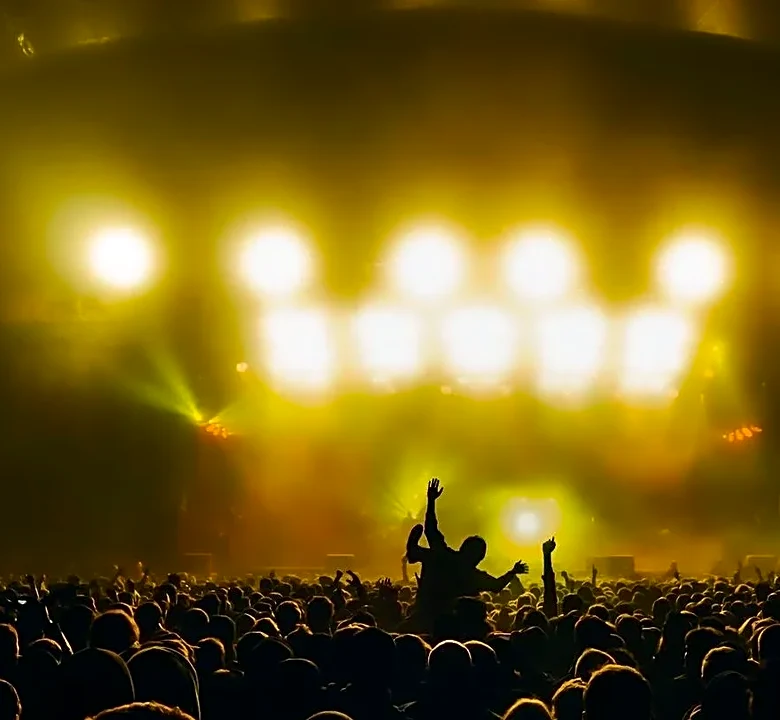
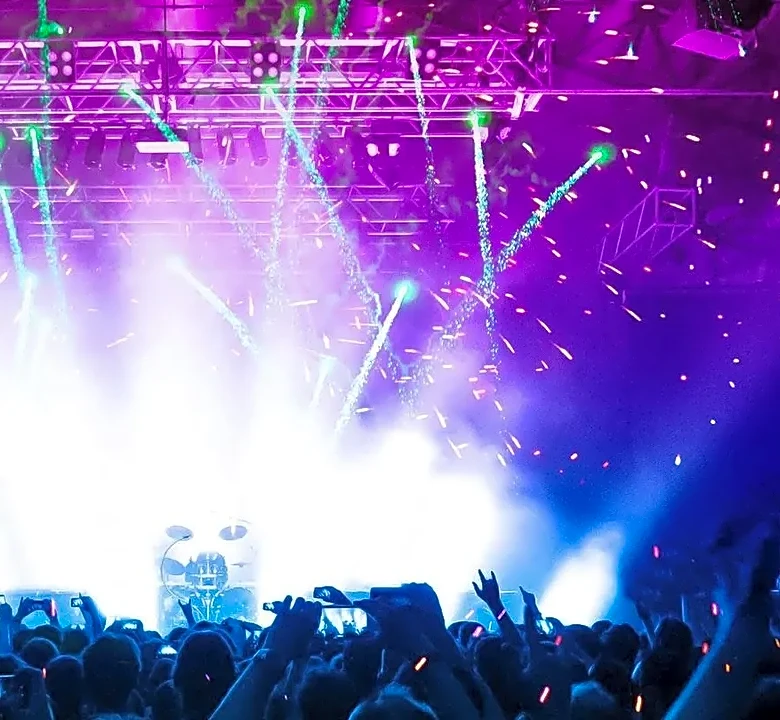
The original Lollapalooza was a traveling festival, a roadshow that brought the counter-culture to cities across America. While that nomadic model eventually proved unsustainable, its core components became the industry standard. After a hiatus, Farrell resurrected Lollapalooza in 2005 as a stationary, multi-day event in Chicago's Grant Park. This pivot created the template for the modern 'destination festival' that now dominates the landscape. Festivals like Coachella and Bonnaroo are direct descendants, expanding on Lollapalooza's foundation. They are multi-day spectacles built on diverse, cross-genre lineups where electronic acts share space with rock and pop headliners. The focus on a total 'experience'—encompassing high-end food, large-scale art, and fashion—is a direct evolution of Farrell's initial idea to create an immersive world.
The Complicated Legacy
Today, Lollapalooza is a global brand with events in multiple countries, and its influence is undeniable. However, the creator himself has a complex relationship with the behemoth he birthed. Farrell has remained a vocal steward of festival culture, championing authenticity and community. At times, he has also been a critic, famously expressing his distaste for the commercialized EDM that came to dominate a stage bearing his own name, lamenting what it did to the psychedelic house music he originally loved. This tension highlights the core paradox of his creation: the counter-cultural experiment that was so successful it became the dominant, and often corporate, mainstream model. Yet, even in the most polished and branded festivals of 2026, the DNA of that first Lollapalooza is present every time a fan discovers a new genre on a side stage or engages with a cause between sets.