



The Philosophy of Flaw
Monster makeup is an art form built on the celebration of imperfection. Its primary goal is to create a visceral reaction, whether it's fear, disgust, or morbid curiosity. The texture here is aggressively tactile and often asymmetrical. Think of the decaying,
peeling flesh of a zombie, the gnarled hide of a werewolf, or the slimy skin of a deep-sea creature. Special effects artists use a variety of materials to achieve this, with liquid latex, silicone, and gelatin being staples of the trade. These aren't just applied; they are sculpted, layered, and manipulated. Artists might use stippling sponges to create porous, uneven skin or mix in materials like oatmeal or tissue paper to simulate rot and decay. The entire process starts with a lifecast, a perfect plaster copy of an actor's face, which allows for the creation of custom-fit prosthetic appliances that can be sculpted with grotesque detail before ever touching the skin. The final result is a texture meant to be believed, not admired. It’s gritty, realistic, and often disturbing, grounding the most fantastical creature in a believable, physical reality.
The Goal of the Glow
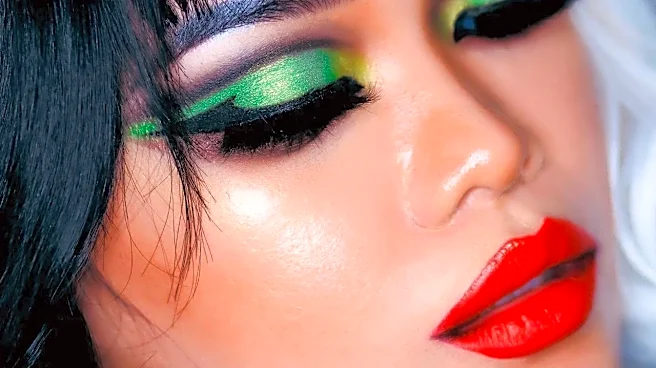
Fantasy beauty operates on the opposite principle: the pursuit of impossible perfection. Whether crafting an ethereal fairy, a celestial being, or a regal elf, the objective is to create a look that feels otherworldly and aspirational. The key textural element is light. Makeup artists in this realm are masters of luminosity, using products that reflect, refract, and diffuse light to suggest an inner magic. Textures are smooth, seamless, and radiant. Instead of latex and gore, the kit is filled with finely milled highlighters, iridescent pigments, face glosses, and shimmers that mimic the gleam of morning dew or moonlight. Application is about softness and blending. Airbrushing might be used to create flawless gradients of color, while delicate brushes place shimmer with precision on the high points of the face. Where monster makeup builds outward with chunky, aggressive layers, fantasy beauty is about creating an inner incandescence that seems to emanate from within the skin itself, giving the character an untouchable, dreamlike quality.
Tools of the Two Trades
A look inside the toolkit for each discipline reveals their divergent goals. A monster maker's table is a beautiful mess of sculpting tools, clay, metal spatulas, and coarse sponges. They work with thick adhesives like Pros-Aide and spirit gum to bond heavy silicone or foam latex appliances to the skin. Their palettes are filled with grease paints and alcohol-activated colors in earthy, organic tones—browns, reds, and blacks used to create bruises, decay, and shadow. Conversely, a fantasy artist’s station is often cleaner and more organized, arrayed with soft, feathery brushes for blending and buffing. You'll find primers that create a smooth canvas, liquid illuminators, and a rainbow of pastel and jewel-toned eyeshadows. Adhesives are typically gentler, used for applying delicate items like facial gems or fine glitter. While both artists need a mastery of color and anatomy, the monster artist is a sculptor and engineer, while the fantasy artist is a painter of light.
Texture as Narrative
Ultimately, the textural difference between monster and fantasy makeup serves the story. A monster's rough, scarred, or rotting texture tells a story of violence, decay, or a harsh existence. It’s designed to make you flinch. We see the craggy, almost rock-like skin of a creature like The Thing from Fantastic Four and we instantly understand its power and durability. We see the wet, glistening skin of the Xenomorph in Alien and feel a primal sense of revulsion. Fantasy beauty’s smooth, glowing texture tells a story of grace, purity, and magic. The shimmering skin of the Na'vi in Avatar or the soft glow of Galadriel in The Lord of the Rings conveys their connection to nature and a higher power. It’s a texture designed to enchant and mesmerize. Before a character even speaks or acts, the texture of their skin has already told you whether to be afraid or to be in awe. It’s the fundamental language of character design, speaking to our most instinctual emotions.