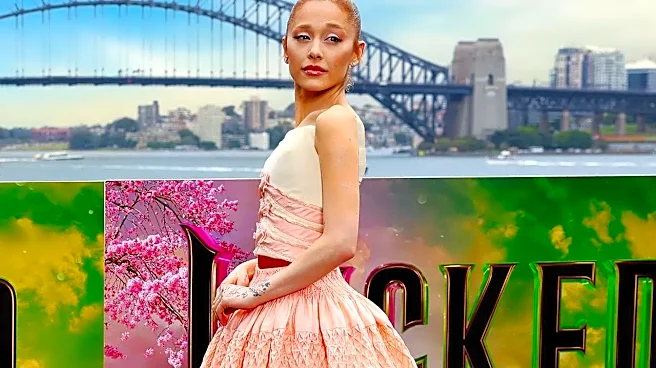






The 'Wicked' phenomenon, first on Broadway and now a record-breaking two-part film saga, is a cultural juggernaut. But its enduring power isn’t just in the spectacle; it’s in its sharp, resonant message: being popular isn’t the same as being good.
The Great Green Lie
At the
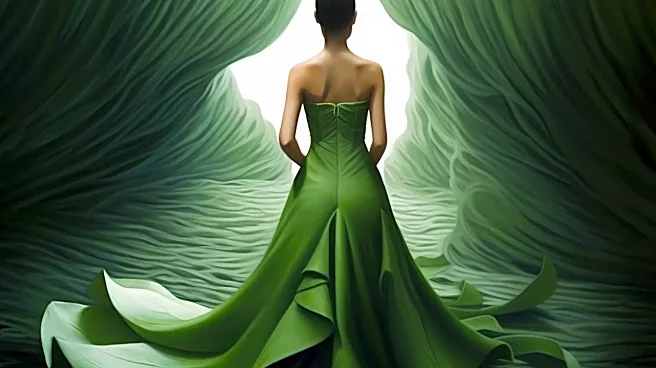
story's heart is Elphaba, a character branded 'wicked' not for her actions, but because she dares to challenge a corrupt system. She is ostracized for her green skin, a visual shorthand for prejudice, but her supposed villainy is a lie constructed by those in power. The Wonderful Wizard of Oz and his propagandist, Madame Morrible, manipulate public opinion to maintain control, turning Elphaba into a scapegoat precisely because she fights for justice for the oppressed talking Animals. Her journey illustrates how society often marginalizes those who speak uncomfortable truths. Elphaba's 'wickedness' is a direct consequence of her integrity; she becomes unpopular because she refuses to be complicit in the Wizard's oppressive regime.
The Glittering Compromise
In stark contrast is Glinda, the embodiment of social acceptance. Her 'goodness' is performative, a niceness driven by a desire to be adored rather than a desire to do what is right. Her defining song, 'Popular,' is a thesis on her worldview: perception is reality. She advises Elphaba that success isn't about aptitude, but 'the way you are viewed'. For much of the story, Glinda chooses the comfort of conformity, turning a blind eye to injustice to protect her status. Her journey is a tragic and relatable exploration of compromising one's morals for public approval. It’s only after losing Elphaba that she realizes the hollowness of her popular standing and begins to seek a more authentic goodness.
‘For Good’ as the Moral Compass
The musical and films build to their emotional and thematic climax with the duet 'For Good.' The song is more than a tearful goodbye; it is the story's core argument. It's a moment of mutual recognition where both women acknowledge the profound, permanent impact they've had on each other's lives, for better or worse. Lyrics like 'who can say if I've been changed for the better? But because I knew you, I have been changed for good' reframe goodness not as a public label but as a deep, internal transformation. It transcends the simplistic good-versus-evil narrative, suggesting that true change comes from connection and accountability, far from the roar of the crowd.
Why We Still Need This Story
Decades after the musical's debut, and with two blockbuster films introducing the story to a new generation, the themes of 'Wicked' feel more relevant than ever. The story serves as a powerful allegory for a world grappling with propaganda, social media pile-ons, and the pressure to conform. Elphaba’s fight against a fraudulent leader and Glinda’s struggle with complicity mirror our own societal tensions. The films, though the second part received more mixed reviews, have been commercial smashes, proving audiences are hungry for stories that tackle complex moral questions. They remind us that history is written by the victors, and that the label of 'wicked' often says more about the society that applies it than the person who wears it.