








Born in the Clouds
The story of the bomber jacket begins not on a runway, but in the cold, open-air cockpits of World War I. In 1917, the U.S. Army Aviation Clothing Board developed the first 'flight jackets' to protect pilots from freezing temperatures at high altitudes.
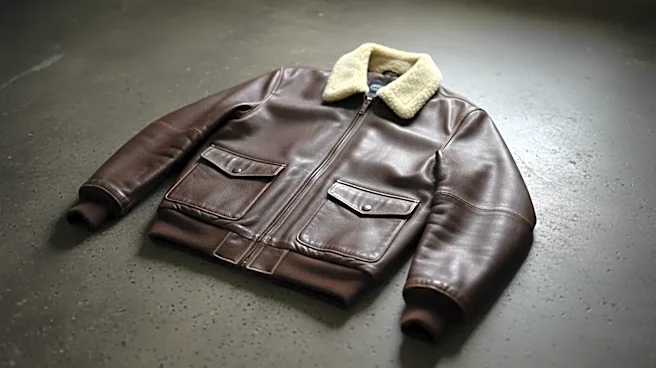
These early versions were heavy, made of leather or sealskin and lined with fur for insulation. As aviation technology advanced, so did the jackets. The A-2 flight jacket, introduced in the 1930s, featured a zip closure and became a symbol for World War II's daring pilots. But the most iconic iteration arrived with the jet age: the MA-1. Developed in the 1950s, this nylon jacket was lighter and more suited for the cramped cockpits of new jet fighters. Its sage green color offered camouflage, and a reversible bright orange lining was added to signal rescue crews in case of a crash. Every detail was driven by function, creating a design that was unintentionally perfect.
The Uniform of Rebellion
After the wars, military surplus stores made these jackets available to the public, and their meaning began to shift. Veterans wore them with pride, but a new generation saw something else in the jacket's rugged lines. In the 1950s, Hollywood actors like Marlon Brando and James Dean transformed the bomber from a symbol of military service into an emblem of youthful rebellion and anti-establishment cool. The jacket’s clean, masculine silhouette projected a sense of independence and understated toughness. It was no longer just about serving a country; it was about defining oneself against the mainstream. This new identity carried across the Atlantic, where the jacket was adopted by British subcultures like mods and skinheads, each group reinterpreting it to fit their own narrative of identity and defiance.
Mainstream on the Big Screen
If the 1950s made the bomber jacket a symbol of the rebel, the 1980s made it a blockbuster icon. Hollywood fully cemented its place in the American wardrobe. Steve McQueen gave the MA-1 a stoic cool in his final film, "The Hunter," in 1980. But it was 1986 that launched the jacket into the stratosphere. Tom Cruise, playing Maverick in "Top Gun," wore a G-1 leather flight jacket adorned with patches, and a cultural phenomenon was born. The film made the jacket synonymous with heroism, confidence, and aspirational cool. Suddenly, everyone wanted to feel like a fighter pilot. The bomber jacket appeared everywhere, from action movies to high school hallways, solidifying its status as a piece of quintessential American iconography.
A Canvas for Every Style
One of the jacket's most enduring qualities is its incredible versatility. The simple, functional design has proven to be a blank canvas for decades of stylistic reinvention. In the 1970s and 80s, punk rockers and hip-hop pioneers both claimed the bomber, using it to craft their distinct visual identities. Later, high-fashion designers took note, reinterpreting the military staple on the runway in luxurious fabrics like silk and suede. Menswear designers like Raf Simons and Helmut Lang paid homage to its rebellious origins, while artists like Kanye West collaborated with original manufacturers like Alpha Industries, introducing it to a new generation of style-conscious youth. The jacket has been a part of LGBTQ+ culture, a staple for skateboarders, and a favorite of sports fans, proving it can absorb the identity of any group that wears it.
The Quiet Power Player
So why does the bomber jacket continue to define the look of a well-dressed American? Because its power is quiet. It doesn't shout for attention. Instead, it projects a sense of competence and effortless cool, rooted in a century of history. It is ageless, genderless, and can be dressed up over a button-down or dressed down with a t-shirt. The person who wears a bomber jacket seems to understand something about the power of classic, functional design. They appreciate an item that was built to last, both physically and stylistically. It connects the wearer to a lineage of pilots, rebels, and icons, all while feeling completely modern. It’s a piece of clothing that doesn’t wear you; you simply wear it, and in doing so, you inherit a piece of its uniquely American story.