



The Anti-Grammys Blueprint
From its inception, the VMAs were positioned as the rebellious younger sibling to the buttoned-up Grammy Awards. The very first ceremony in 1984 set the template for decades of controversy. Madonna, then an emerging star, performed "Like a Virgin" atop
a giant wedding cake, wearing a now-famous "Boy Toy" belt buckle. When one of her shoes slipped off, she improvised, rolling on the stage in a move that was both accidental and instantly iconic. The performance, which by today's standards seems tame, was scandalous at the time and signaled that this was an awards show that prized provocation over polish. It was a deliberate choice by MTV to create a space where artists could take risks, establishing the VMAs as can't-miss TV from its very first night.
The Peak Shock Value Era
By the late '90s and early 2000s, planned shock value had become the VMA's signature. In 1999, Lil' Kim arrived in a purple jumpsuit that left one breast exposed, covered only by a sequined pastie—an outfit so memorable that Diana Ross playfully jiggled it on stage. Two years later, Britney Spears cemented her transition from teen idol to adult superstar by performing "I'm a Slave 4 U" with a live albino Burmese python draped over her shoulders. The image became one of the most defining of her career. Then, in 2003, Madonna returned to her old stomping grounds, performing with Spears and Christina Aguilera before sharing a controversial on-stage kiss with both of them. These weren't just performances; they were meticulously crafted spectacles designed to dominate headlines and solidify the VMA's reputation for manufactured mayhem.
When Unscripted Chaos Took Over
While many moments were planned, the show's most enduringly unpredictable moments were the ones that felt genuinely unscripted. The most famous of these occurred on September 13, 2009, when a 19-year-old Taylor Swift won Best Female Video for "You Belong With Me." As she gave her speech, Kanye West stormed the stage, grabbed the microphone, and declared that Beyoncé's "Single Ladies" deserved the award. The audience booed, Beyoncé looked mortified, and a stunned Swift was left speechless on stage. The incident became one of the most talked-about moments in modern pop culture history, marking a shift from planned stunts to genuine, uncomfortable, and utterly captivating live television meltdowns.
A New Playbook for the Viral Age
As social media reshaped the cultural landscape, the VMA's brand of unpredictability evolved. The goal was no longer just to shock the live audience, but to create moments that would explode online. In 2010, Lady Gaga achieved this by wearing a dress made entirely of raw flank steak to accept an award. The meat dress was both a political statement against the military's "Don't Ask, Don't Tell" policy and a masterclass in generating viral buzz. Three years later, Miley Cyrus followed a similar playbook with her infamous 2013 performance. Shedding her Disney Channel image, she twerked on singer Robin Thicke in a flesh-colored bikini, a move that dominated social media and generated a reported 306,000 tweets per minute. These moments were designed for the clip-and-share economy, proving the VMAs could still manufacture a cultural firestorm.
Unpredictability in a Predictable World
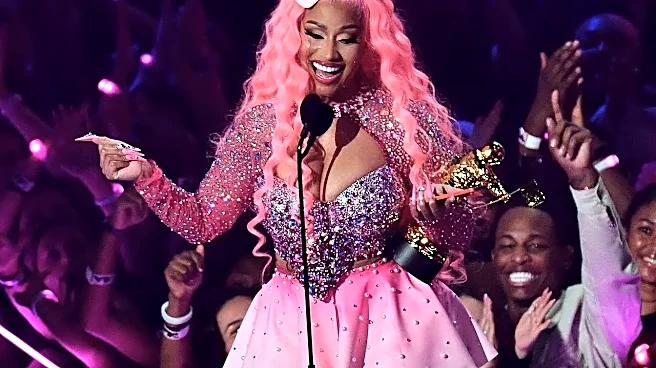
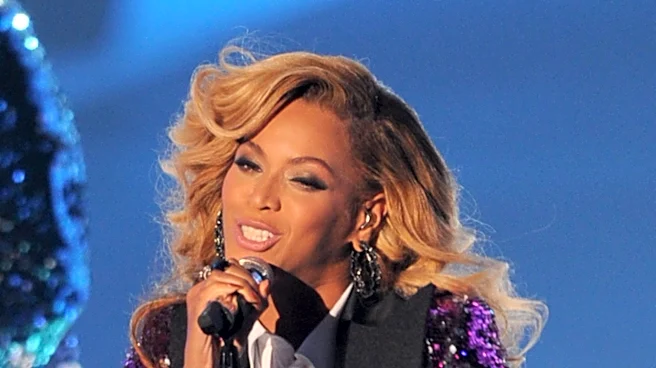
In an era of carefully managed celebrity images and fragmented media, the question of whether the VMAs can still deliver genuine surprises lingers. Viewership has declined from its peak, and some argue the show has lost its spark. Yet, it remains a platform where artists aim to make a statement. Recent years have seen moments like Beyoncé's pregnancy reveal in 2011 and Nicki Minaj's confrontational "Miley, what's good?" callout in 2015. While recaps from the 2024 and 2025 awards highlight big wins for artists like Taylor Swift and heartfelt speeches, the truly chaotic, unscripted moments have become rarer. The show now competes with the internet's constant churn of content, making it harder to create a singular, culture-stopping event.