






Why the Convention Floor Fights Back
The human foot is a marvel of engineering, but it wasn’t designed for eight-plus hours of standing and shuffling on concrete covered by a thin layer of commercial carpet. Unlike natural ground, these hard, unyielding surfaces have zero shock-absorbing
capacity. Every step sends impact forces traveling up your kinetic chain—from your feet and ankles to your knees, hips, and lower back. Over the course of a long day, the natural fat pads in your heels compress completely, and the muscles in your feet and legs work overtime just to keep you stable. This static load leads to that familiar deep ache, a feeling of heaviness, and overall physical fatigue that can cut your networking and productivity short.
The Unseen Advantage: How Insoles Work
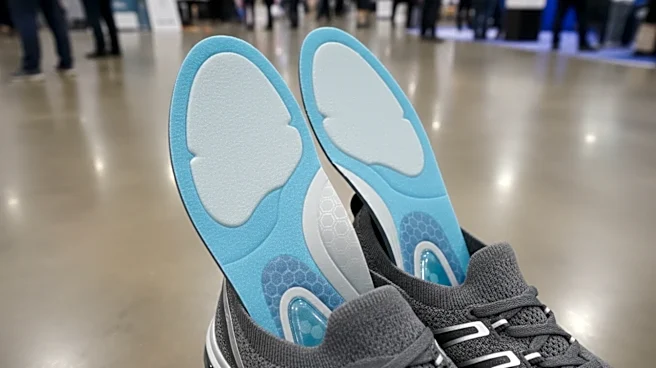
The flimsy foam liners that come standard in most dress shoes and even comfortable sneakers are designed to feel good for the thirty seconds you try them on in a store. They often flatten permanently within a few weeks of serious wear, offering little to no real support. A high-quality aftermarket insole, however, does two critical jobs: it provides cushioning and it offers structural support. Cushioning helps absorb the initial shock of your foot hitting the hard floor. More importantly, structured support helps distribute your body weight and pressure evenly across the entire foot, rather than allowing it to concentrate on the heel and ball of the foot. By properly supporting your arch, a good insole prevents it from collapsing under load, which improves your body's overall alignment and reduces strain.
Decoding Your Insole Options
Walk into any pharmacy and the wall of insoles can be overwhelming. They generally fall into three categories. The first is cushioning insoles, often made of gel or soft foam. These are primarily for shock absorption and can provide immediate, though sometimes short-lived, comfort. Memory foam, for example, feels plush but can compress too quickly under the static load of standing, losing its effectiveness. The second category is arch support insoles. These are typically made of firmer, semi-rigid materials like polyurethane or composite plastics and are designed to provide structural alignment. They feature a defined arch and often a deep heel cup to cradle the foot and stabilize it. The third type is custom orthotics, which are prescribed by a podiatrist and molded specifically to your feet to correct more significant biomechanical issues. For most people dealing with convention fatigue, a good over-the-counter arch support insole strikes the perfect balance.
How to Choose the Right Pair
When shopping for an insole, don't just grab the softest one. Look for a dual-action design that combines firm, structured support with targeted, high-rebound cushioning. A defined, semi-rigid arch support is crucial to prevent your foot from tiring out. A deep heel cup will help stabilize your foot and maximize your body's natural cushioning. The material matters, too; look for high-density polyurethane (PU) or durable EVA foam that resists flattening. It’s also wise to understand your own arch type. You can do a simple “wet test” at home: wet your foot and step on a piece of cardboard. A full, flat footprint indicates a low arch, while a print showing only your heel and the ball of your foot suggests a high arch. Many insole brands offer models specific to different arch heights, ensuring a better, more effective fit. Always remove the shoe's original liner before inserting the new insole to ensure there's enough room.