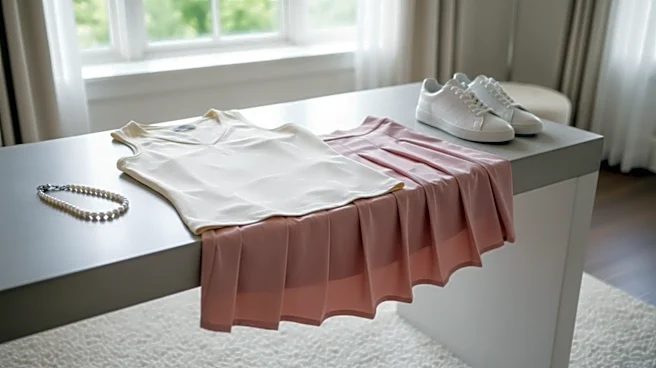











When you walk into a networking event, your outfit speaks before you do. But while most fashion advice focuses on the latest trends, a more powerful and strategic tool is often overlooked: the color palette of what you're wearing.
First Impressions Are Subconscious
Before you can offer
a handshake or deliver your elevator pitch, others have already formed a subconscious opinion based on your appearance. A significant part of that initial judgment is based on color. This isn't about looking fashionable; it's about non-verbal communication. The hues you choose can instantly project trustworthiness, authority, creativity, or approachability. While a trendy outfit might get you noticed, a strategic color choice ensures you are noticed for the right reasons, aligning with your professional goals for the event.
The Strategic Language of Colors
Understanding the psychological associations of different colors allows you to dress with intent. Navy blue is a workhorse for a reason; it's widely associated with trust, professionalism, and reliability, making it ideal for building rapport. Gray, from charcoal to lighter tones, projects competence and control, a solid choice for conveying authority without the harshness of black. Black itself can signal power and sophistication, but in a networking context, it can sometimes create distance. A crisp white shirt conveys clarity and professionalism. These aren't just style rules but psychological signals that can help you steer conversations and perceptions.
Building Palettes for Your Goals
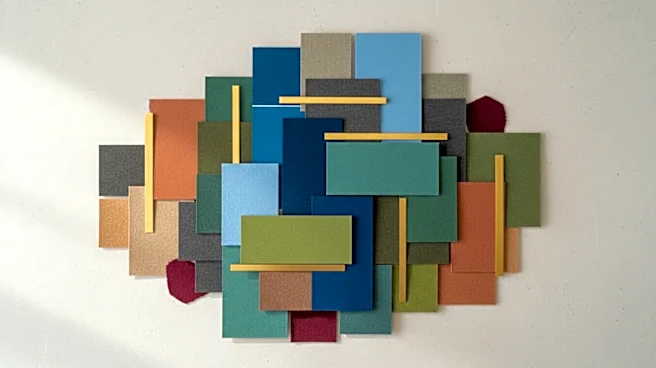
Instead of thinking about single garments, consider building strategic palettes. If your goal is to be seen as a stable and trustworthy expert, a palette of blues and grays is a powerful combination. If you're in a creative field and want to signal innovation and energy, you might weave in accents of green (harmony, growth) or even a touch of orange (enthusiasm). The key is intentionality. A burgundy accessory can add a touch of sophisticated individuality, while a bright red accent can convey energy but should be used sparingly to avoid appearing overly aggressive. By combining a dominant color with secondary and accent shades, you can create a cohesive message that supports your professional brand.
Why Trend-Focused Advice Falls Short
The fashion press often promotes the season's “it” color or silhouette. While this is great for social occasions, it's a flawed strategy for professional networking. Following a trend might make you look current, but it doesn't necessarily make you look credible or align with your specific industry's norms. Many networking attendees default to all-black, which can cause you to blend in rather than stand out. A strategic use of color, however, can make you more memorable and even serve as a conversation starter. The goal isn't just to wear a color that's in vogue, but to wear a color that works for you and advances your objectives long after the flashbulbs have faded.