







From Undergarment to Outerwear
The t-shirt’s story begins not in a stadium, but in the U.S. Navy. Around 1913, the military issued white, crew-neck cotton shirts as standard undergarments for sailors. They were breathable, easy to clean, and worlds away from the wool uniforms of the time.
For decades, that’s what they remained: an unseen layer. After World War II, veterans often wore them as casual shirts tucked into trousers, but the garment truly broke free in the 1950s. When Marlon Brando sported a snug white tee in “A Streetcar Named Desire” (1951) and James Dean made it his signature look in “Rebel Without a Cause” (1955), the t-shirt was instantly transformed. It became a symbol of a new, defiant masculinity—cool, casual, and a world away from the starched collars of the previous generation.
The Blank Canvas Gets a Message
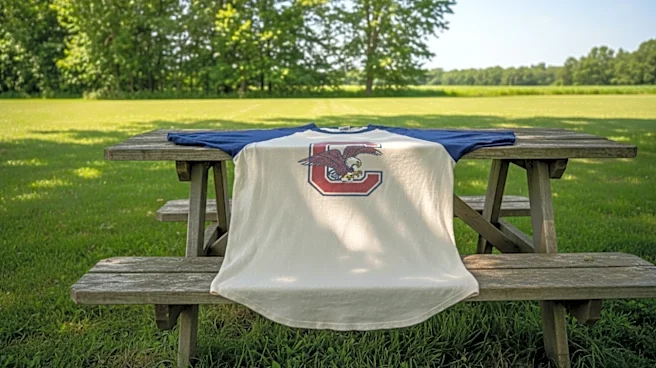
Once the t-shirt became acceptable outerwear, it was only a matter of time before it became a walking billboard. The key was technology. Advancements in screen printing, particularly the invention of durable, vibrant plastisol inks in the 1960s, made putting graphics on shirts cheap and easy. Initially, universities and companies like Coca-Cola jumped on the trend, realizing the promotional power of a logo on someone’s chest. The 1970s saw the graphic tee explode, fueled by rock bands who used them as merchandise and protest movements that used them as messaging platforms. The t-shirt was no longer just an article of clothing; it was a medium for self-expression.
Sports Teams Enter the Game
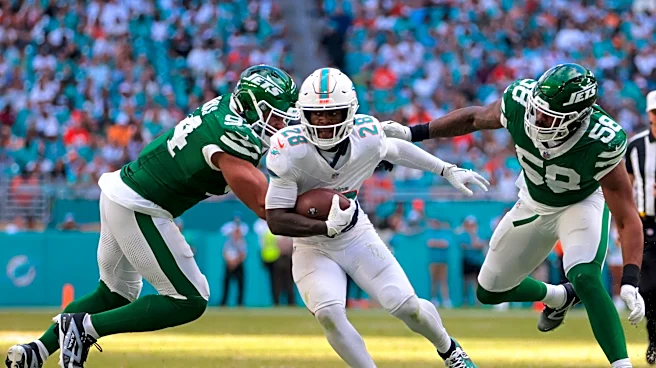
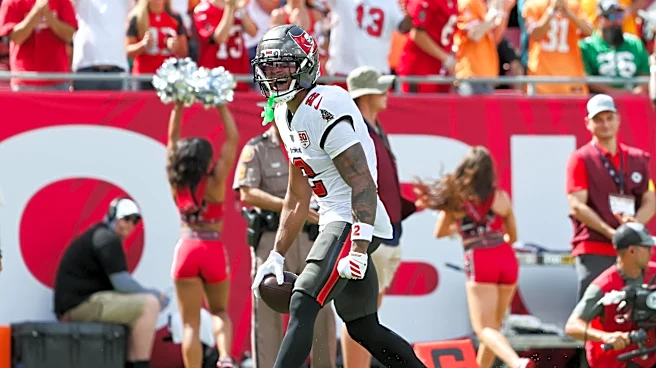
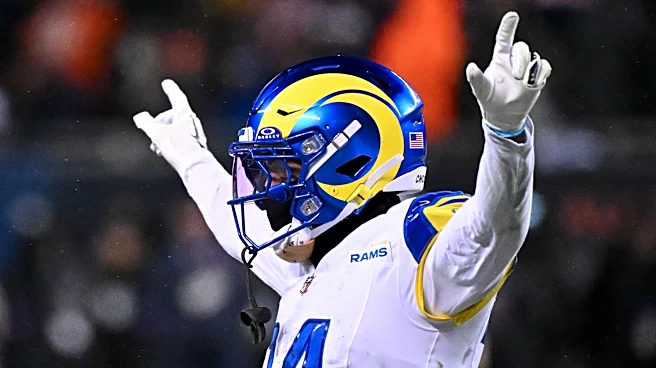
As fan culture grew alongside television broadcasts in the post-war boom, sports leagues began to see the massive commercial potential in fan apparel. While early fan gear in the 1920s and '30s was limited to simple pennants or scarves, the 1970s and '80s marked a turning point. Leagues like the NFL and MLB began formalizing licensing programs, allowing them to mass-produce and sell officially branded merchandise. The simple t-shirt was the perfect entry point for fans. It was more affordable and accessible than a player’s jersey but still served the same purpose: it was a clear declaration of allegiance. It allowed you to feel like part of the team.
A Uniform of Belonging
The rise of the team t-shirt also coincided with the steady “casualization” of American style. The rigid dress codes of the mid-20th century gave way to a culture that prioritized comfort and practicality, a trend largely driven by college students and accelerated by workplace innovations like “Casual Fridays.” In this new, relaxed landscape, the team t-shirt felt right at home. It’s more than just a comfortable shirt; it’s a powerful tool for signaling identity. In a large, diverse country, wearing your team’s colors is an instant signifier of belonging. It connects you to a place, a history, and a community of fellow supporters, turning strangers in a bar or on the street into temporary allies. It’s a tribe, and the t-shirt is the uniform.