



The Anatomy of a Fashion Fumble
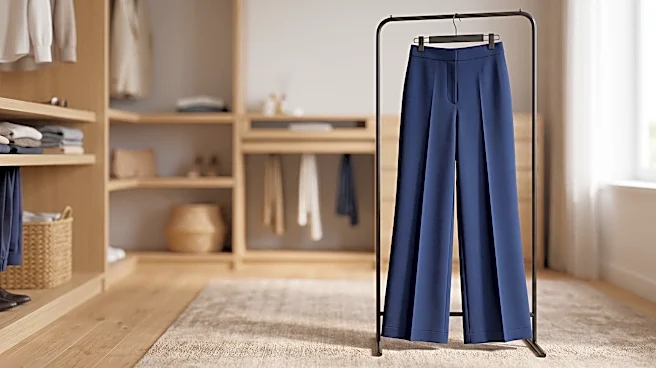
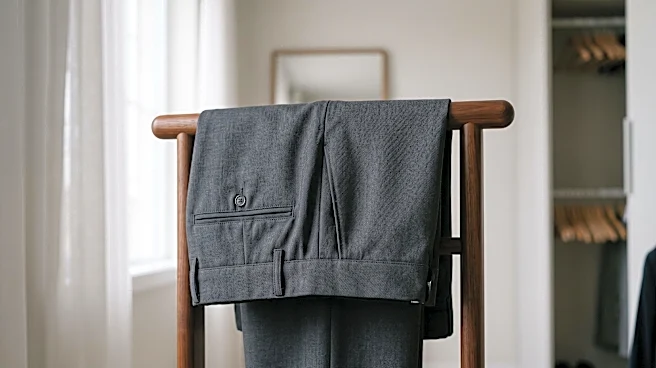
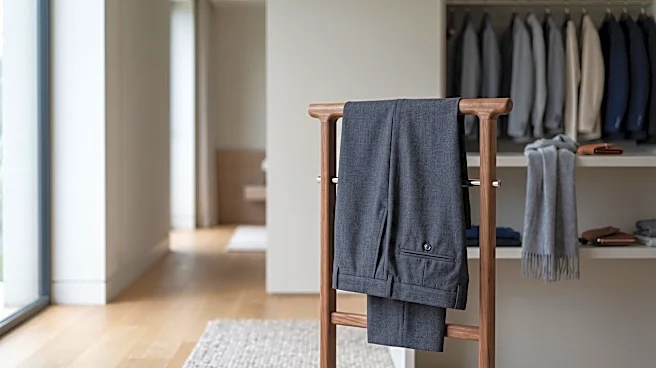
The mistake is ordering your alterations out of order: hemming your pants before you've chosen the boots you'll wear with them. It sounds minor, but stylists agree that this sequence is backward and often leads to a sloppy, ill-fitting result. Pants that are
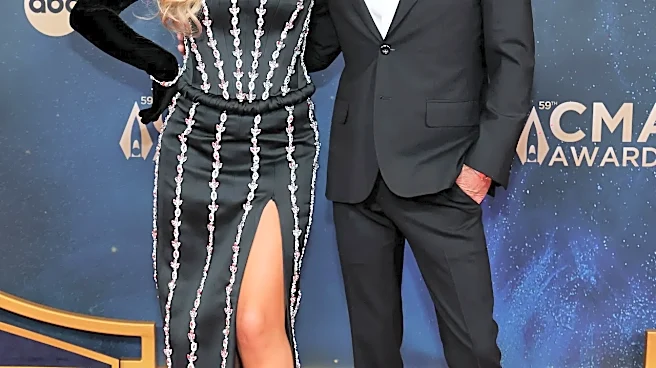
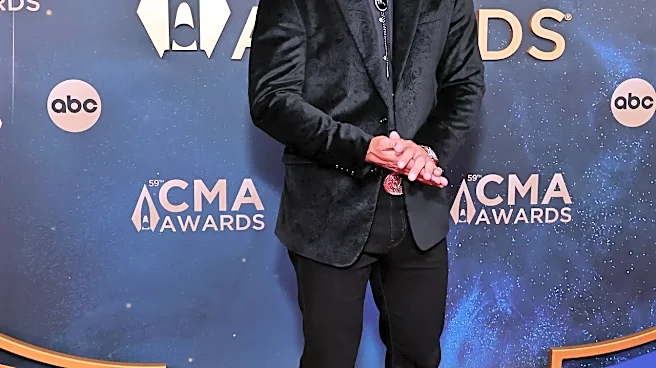
hemmed without a specific shoe in mind almost never fall correctly. You end up with trousers that are either too long, creating an unsightly bunching of fabric around the ankle, or worse, too short, creating an awkward gap that visually cuts off the leg line. On a night as photographed as the CMAs, where every detail is scrutinized, this seemingly small oversight can make an expensive, tailored outfit look cheap and unfinished.
Why the Order of Operations Is Critical
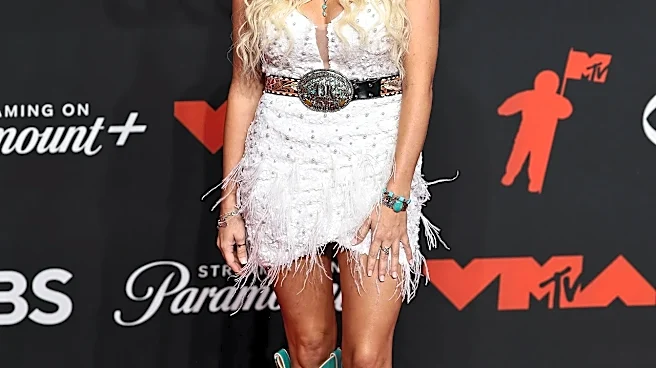
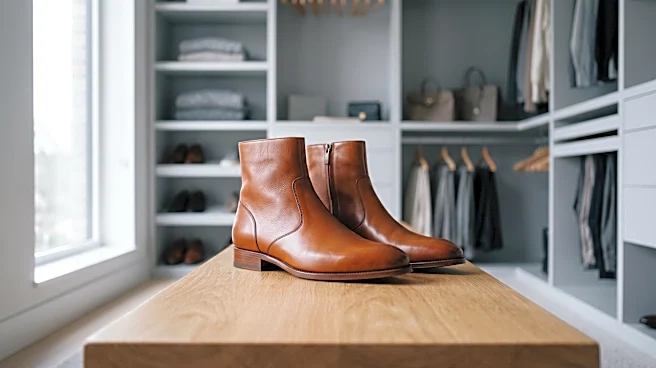
The problem lies in the complex geometry of boots. Unlike a simple pump or flat, a boot introduces multiple variables that dramatically alter how a pant leg drapes. The first is heel height. Even a one-inch difference can change the ideal hem length, causing a perfectly tailored 'break' to become a messy puddle of fabric on the floor. But it's not just the heel. The boot's shaft height and width are equally important. A wide, rigid boot shaft can act like a shelf, pushing the pant hem outward and making it appear shorter. Conversely, a narrow shaft can cause the pant leg to slide down and get caught, creating constant, frustrating adjustments. The shape of the toe and the thickness of the sole also play a role, each subtly changing the final resting place of your hem. Trying to hem for a generic 'boot' is a recipe for failure; you must hem for a specific boot.
The Stylist's Golden Rule: Boots First, Tailor Second
The professional approach is simple and non-negotiable: build your look from the ground up. Always select your footwear before taking your pants to the tailor. When you go for your fitting, you must bring the exact boots you intend to wear with the pants. This allows the tailor to pin the hem precisely, accounting for the heel, shaft, and overall shape of the boot. While wearing the boots, stand naturally and walk around a bit to see how the fabric moves and settles. For a full-length or bootcut style, the hem should typically fall about a quarter to a half-inch from the floor, covering most of the boot but not dragging. This creates a clean, elongated line that makes you look taller and more polished. For straight-leg or cropped styles, the interaction between the hem and the top of the boot shaft is what matters most, and seeing it in person is the only way to get it right.
From Red Carpet to Real Life
This isn't just a rule for country music stars in custom suits. It applies to everyone, whether you're hemming a new pair of designer trousers for the office or getting your favorite jeans just right for the weekend. We often dedicate different pants to different shoe heights—one pair of jeans for sneakers, another for heeled boots. The 'boots first' rule ensures that investment pays off. If you try to create a one-size-fits-all hem length for multiple boot styles, you'll likely end up with a length that isn't quite right for any of them. By committing to a specific shoe for a specific pant before making any permanent cuts, you guarantee the outfit looks intentional every time. It’s the difference between looking like you simply put on clothes and looking like you created a truly complete, head-to-toe look.