



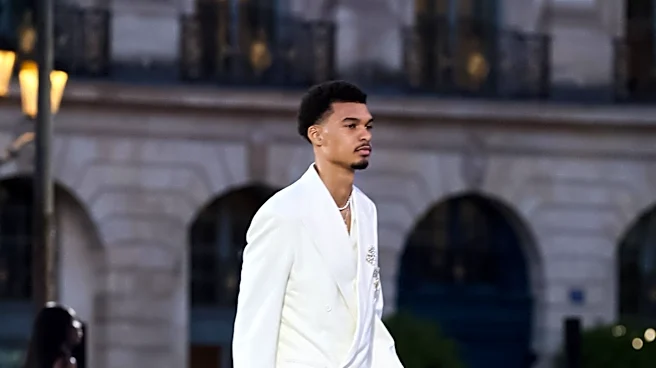
The Frame, Not the Painting
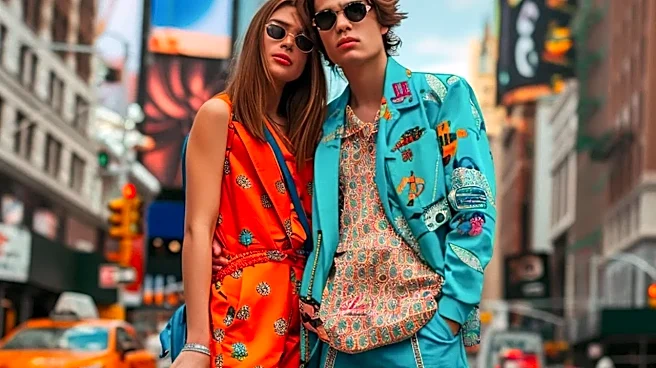
The fundamental rule of art fair style is simple: you are there to appreciate the art, not become part of it. Dressing in loud, attention-grabbing prints or overly thematic outfits that mimic the art on display is a rookie mistake. It signals that you're
more focused on being seen than on seeing. The goal is to look like a confident participant in the cultural conversation, not a piece of performance art yourself. True art world insiders—the dealers, collectors, and curators—often adopt a 'uniform' that is paradoxically powerful in its subtlety. Think of it as being the perfect frame: your presence should enhance the main event, not distract from it. The clothes should get out of the way, allowing your perspective and the art to take center stage.
The 'Uniform' of Understated Confidence
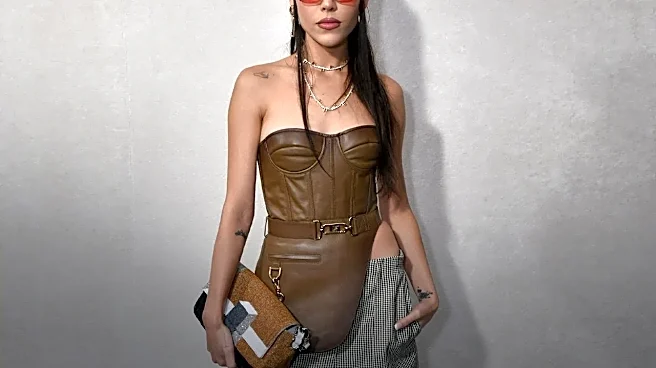
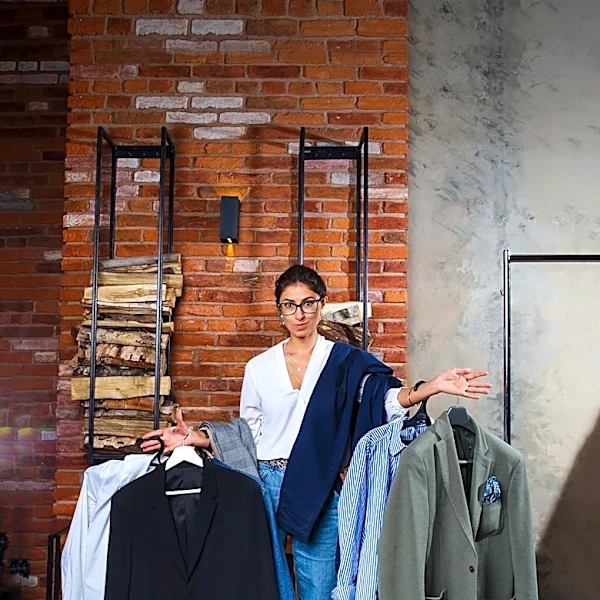
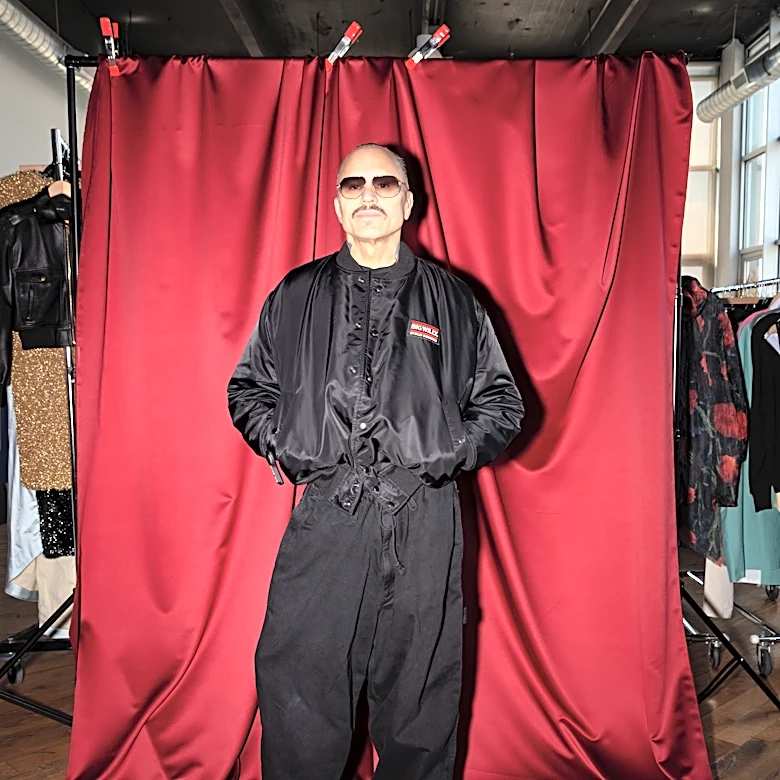
So, what does this look like in practice? The prevailing aesthetic is one of curated, quiet luxury. For dealers, this often translates to a uniform of impeccably tailored black or neutral trousers, a crisp shirt, and minimal branding. For collectors and other attendees, there's more freedom, but the principle remains the same. The look leans towards architectural silhouettes, high-quality fabrics like leather and silk, and a focus on texture over flashy patterns. A statement might come from a single, well-chosen piece: a sculptural coat, unique jewelry, or an impossible-to-get handbag. It’s a wardrobe that communicates taste and knowledge through its curation, not its volume. The two main style camps are the eccentric art-dealer type, with bold jackets and accessories, and the classicist, in a simple white t-shirt and jeans. Both, however, adhere to looking considered, not costumed.
Comfort Is a Power Move
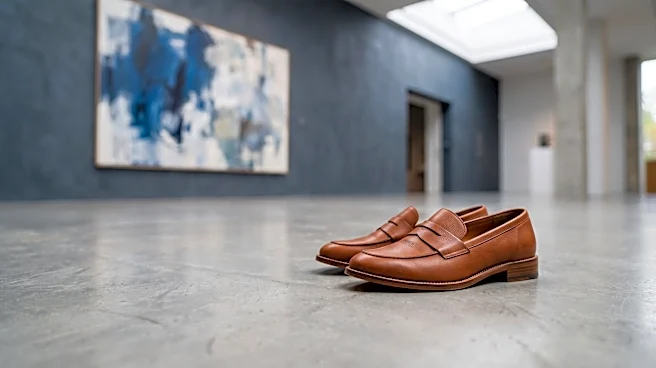
An art fair is a marathon. With vast tents set up in places like London's Regent's Park, you can expect to walk for miles on concrete floors. The truly chic understand that comfort is non-negotiable, and it has become a status symbol in itself. Nearly everyone, from seasoned collectors to curators, opts for comfortable flats. You will see a sea of designer sneakers, elegant loafers, and stylish ballet flats. Wearing stilettos is a clear sign you're not there for the long haul. Choosing practical, comfortable footwear signals that you are a serious player, there to spend hours looking, networking, and potentially buying. It's an insider move that demonstrates you’re prioritizing the experience over a fleeting fashion moment.
A Subtle Nod to the Creative World
Not matching the art doesn't mean your outfit must be boring. In fact, the best ensembles often contain a subtle, intelligent nod to the art world. This isn't about wearing a Mondrian-print dress. It's about choosing a piece from a designer known for artistic collaborations, like Rick Owens or the late Phoebe Philo. It could be a garment with a particularly interesting, architectural cut or a piece of jewelry that feels like a small sculpture. These choices operate on an 'if you know, you know' level, creating a dialogue with the surrounding environment without shouting. It reflects an understanding that the relationship between fashion and art is a dialectic—a conceptual link, not a direct visual one. The style should whisper, never shout.