






The Pressure Cooker Set
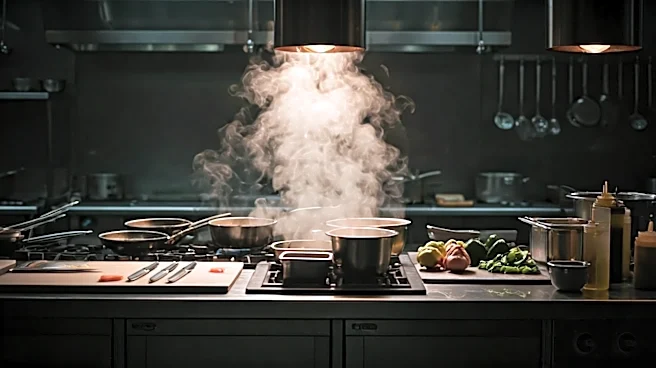
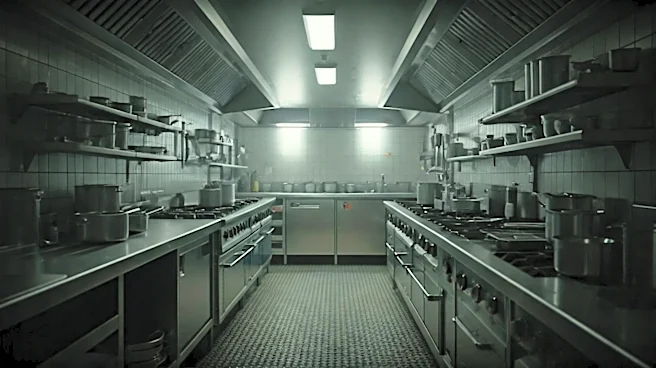
The geography of The Original Beef of Chicagoland, and later The Bear, is fundamentally adversarial. It's a cramped, horseshoe-shaped space with an island in the middle, a layout that inherently creates obstacles. This isn’t just a realistic depiction
of a legacy Chicago sandwich shop; it’s a narrative choice. From the pilot, director Christopher Storer and his cinematography team use this confinement to breed conflict. Characters are constantly bumping into each other, forced into close proximity whether they like it or not. Simple commands like “Corner!” and “Behind!” become a constant, percussive soundtrack to the tension, a verbal shorthand necessary to navigate a space that seems designed to make people collide. The kitchen’s physical limitations mirror the psychological pressure cooker the characters inhabit, making the environment an active participant in their daily battles.
Blocking as a Power Struggle
Where a character stands in Storer’s kitchen says everything about their status and state of mind. Carmy (Jeremy Allen White) often isolates himself in his corner, a fine-dining island in a sea of chaotic tradition. Sydney (Ayo Edebiri), upon her arrival, must physically carve out a space for herself, her presence disrupting the established flow. The power dynamics are mapped onto the floor plan. A character’s movement—or lack thereof—becomes a statement. Storer, working with cinematographers like Andrew Wehde, allows the actors freedom to find their own blocking, which lends an authentic, almost theatrical energy to the scenes. When the team is in disarray, they are a tangle of bodies in each other's way. As they begin to operate as a unit, their movements become a fluid, choreographed ballet. This evolution from physical friction to a synchronized dance visualizes the entire arc of the brigade’s journey.
An Intimate, Anxious Camera
Storer’s camera doesn’t just observe the action; it participates in the anxiety. The show employs a mix of frenetic, rapid-fire cuts and long, unbroken takes that refuse to let the viewer breathe. One of the series’ most talked-about sequences is a nearly 18-minute single shot in the first season, a decision made to trap the audience in the escalating tension without any relief. The camera maneuvers through tight corners, becoming another obstacle in a space already filled with them. This is often paired with extreme close-ups, a signature of the show's visual style. We see the sweat on a character's brow, the frantic movement of their hands, and the flicker of panic in their eyes. This intense proximity, as actor Jeremy Allen White has noted, allows the camera to pick up on the deep inner life of the characters, making their emotional state feel raw and immediate. The camera is not just a lens; it's a nerve ending.
The Sound of Confined Spaces
The visual combat is amplified by an equally combative soundscape. The dialogue is fast, overlapping, and often competes with the sizzle of the flat-top, the clatter of pans, and the incessant printing of order tickets. Storer and his co-showrunner Joanna Calo intentionally built this intense pacing into the scripts from the beginning to reflect the reality of a working kitchen. The sound design ensures that even when the camera is still, the environment feels loud and encroaching. The contrast between the cacophony inside the kitchen and the relative quiet outside of it is a deliberate choice. When characters step out for a smoke or go home, the editing pace slows, and the world seems to quiet down, reflecting their brief release from the chaos. This sonic geography further defines the kitchen as a battlefield, a space where peace is impossible and every sound contributes to the psychological warfare.