





The Billion-Dollar Borrowing Game
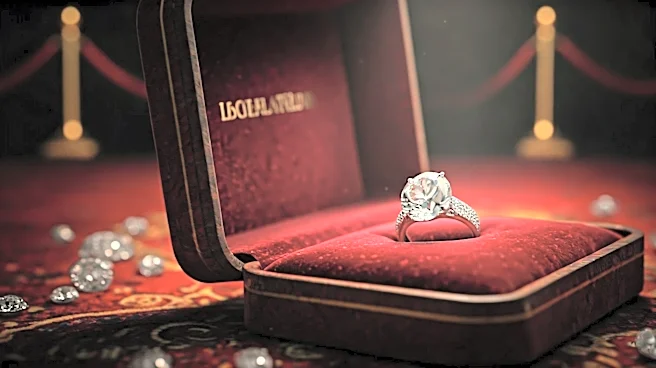
First, let’s get one thing straight: almost nobody owns the jewelry they wear on the red carpet. For major events like the AMAs, Grammys, or Oscars, the vast majority of jaw-dropping necklaces, earrings, and bracelets are on loan. This isn’t a sign of being 'too poor' to afford them; it’s a powerful, symbiotic business arrangement. High-end jewelers like Lorraine Schwartz, Harry Winston, and Cartier use the red carpet as the world’s most glamorous billboard. Getting their multi-million-dollar piece on a globally recognized artist is marketing gold, generating countless articles and social media impressions. For the celebrity and their stylist, it’s a no-brainer. They get access to a king’s ransom in gems to complete a fantasy look without the astronomical
expense. The process is highly orchestrated. Stylists visit private showrooms weeks in advance to 'pull' options. Brands and stars are matched based on image, prior relationships, and, sometimes, lucrative ambassadorship deals. It’s a transaction, but one that results in the pure spectacle we tune in to see.
The Logistics of a Diamond Loan
Borrowing a piece of jewelry that costs more than a house isn’t like checking out a library book. The logistics are intense. Once a piece is selected, a mountain of legal paperwork is signed, including strict liability and insurance agreements. On the day of the event, the jewelry is often delivered by an armored car or a high-level brand representative who personally transports it. And it doesn’t stop there. The jewelry often comes with its own security detail. It’s not uncommon for a plain-clothed guard to shadow the celebrity throughout the night, their eyes trained not on the star, but on their neck, wrists, and ears. Their sole job is to ensure the safe return of the assets. The pieces are usually retrieved from the celebrity's hotel or home by the brand immediately after the event, sometimes in the wee hours of the morning. The fairy tale lasts for one night only.
The Tell-Tale Signs of 'Real Styling'
So, if almost everything is borrowed, what does the headline’s promise of 'real styling' mean? It’s a subtle but crucial distinction. It’s not about wearing jewelry that is necessarily owned, but about wearing jewelry that feels personal, intentional, and integral to the wearer’s identity, rather than just the flashiest option available from a jeweler’s vault. 'Real styling' is when the jewelry tells a story. Think of a celebrity like Rihanna, who famously mixes high-fashion diamonds with her own eclectic pieces, or Zoë Kravitz, who often favors more delicate, layered jewelry that reflects her cool, understated vibe. It’s about curation. When you see a star repeatedly wearing pieces from a specific designer they genuinely love, or incorporating vintage finds, or even wearing a surprisingly modest piece that has sentimental value, you're witnessing a deeper level of styling. The jewelry isn’t just a borrowed accessory; it's an extension of their personality. The goal isn’t just to look rich; it’s to look like *yourself*.
How to Spot the Difference From Your Couch
Once you know what to look for, you can become a more discerning red carpet analyst. Pay attention to more than just carat size. Is the jewelry a perfect, sterile match to the dress, looking like it came straight out of a catalog? That’s likely a standard brand loan—beautiful, but impersonal. Or does it have some character? Maybe it's an antique locket, a collection of mismatched rings worn with confidence, or a brooch worn in an unexpected way. Look for consistency across a star’s appearances. Do they have a signature style of jewelry they return to, regardless of the brand? That’s a sign of personal taste at work. The ultimate tell is when the jewelry serves the overall look and the person, rather than the person and the look serving as a mere vehicle for the jewelry. One is advertising; the other is art.