

The Weight of Great Expectations
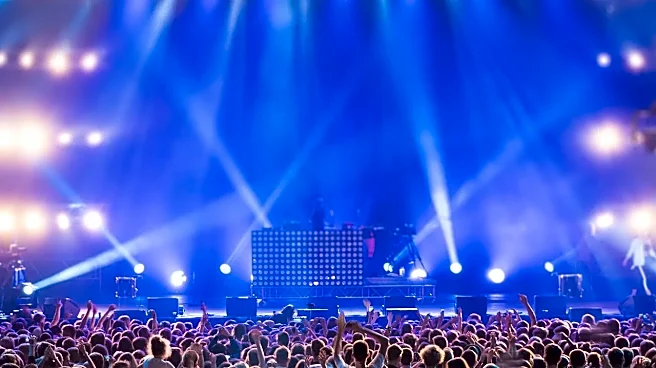
Headliners carry an immense burden. For months, their name on a poster builds a mountain of expectations. Fans imagine a life-altering, transcendent performance, the culmination of their entire weekend. Sometimes, they deliver exactly that. But often,
the pressure creates an invisible barrier. Every note is scrutinized, every choice compared to a fan’s imagined perfect setlist. When a show is pre-loaded with so much hype, it’s difficult for reality to compete with imagination. A perfectly good set can feel like a letdown simply because it was just that—good, not mythical. The experience can become a mental checklist rather than a moment of genuine discovery.
The Magic of the Blank Slate
Contrast that with the mid-afternoon act on a side stage you stumble upon while searching for tacos. You might only know one of their songs, or perhaps none at all. With no expectations, your mind is a blank slate. Every cool riff, witty stage banter, or powerful chorus is a bonus. Psychologically, this is a perfect storm for positive memory. Your brain isn't judging; it's discovering. When an unknown band puts on a killer show, it feels like a personal find. That feeling of discovery is powerful, creating a connection that feels more authentic and earned than the mass-produced energy of a 100,000-person main stage event.
The Science of Surprise
Our brains are wired to remember the unexpected. Psychologists note that surprise acts as a cognitive interrupter; it snaps us out of autopilot and forces our brains to pay attention, encoding the memory more deeply. A surprise guest walking on stage, or an artist launching into a wild, uncharacteristic cover song, creates a jolt of dopamine. Think of the moment when Lana Del Rey brought out Billie Eilish at Coachella to sing each other's debut singles, “Video Games” and “Ocean Eyes.” The crowd didn't see it coming, and the shared gasp of disbelief created a collective, unforgettable peak. It wasn't just a performance; it was an event. This aligns with the “peak-end rule,” a theory suggesting we primarily remember an experience based on its most intense point (the peak) and its end. A shocking surprise provides a powerful peak.
Scarcity and the Power of Story
A headliner's set is recorded, streamed, and will likely be similar in the next city. A surprise is fleeting and scarce. That moment when D'Angelo returned to the U.S. stage for the first time in over a decade at a Bonnaroo Superjam is a perfect example of a non-repeatable event. The same goes for when Zach Galifianakis and Jon Hamm appeared unannounced to lead a “We Are the World” singalong. Being there for something so unique gives you social currency. You don't just have a memory; you have a story. In a world where experiences are constantly shared online, having a story that feels exclusive—one you had to be there for—is the ultimate festival souvenir. It’s the difference between saying “I saw the headliner” and “You’ll never believe who showed up.”
A Shared Moment of Chaos
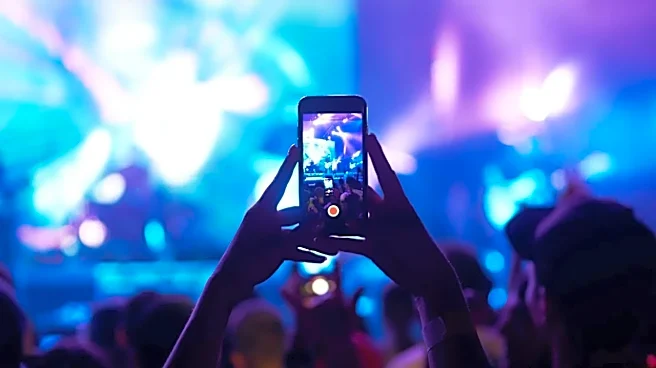
Planned moments are for Instagram. Spontaneous moments are for the crowd. When everyone knows a big drop or a hit song is coming, thousands of phones go up in unison. But when a genuine surprise happens, the initial reaction is often a collective, uncurated shock. People look at each other, mouths agape, confirming that yes, that really just happened. This shared, spontaneous reaction builds a powerful sense of community. For a few seconds, everyone is completely in the moment, united by the same jolt of joyful disbelief. It’s in these unscripted, chaotic interludes that the true, connective magic of a festival is often found—forging a memory that outshines even the most polished and planned-for spectacle.