
From Cosplay to Commerce
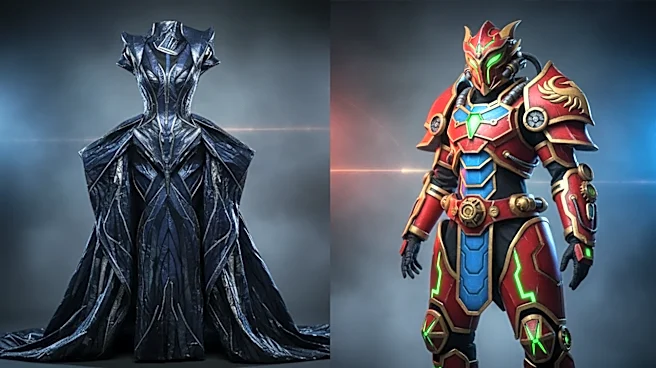
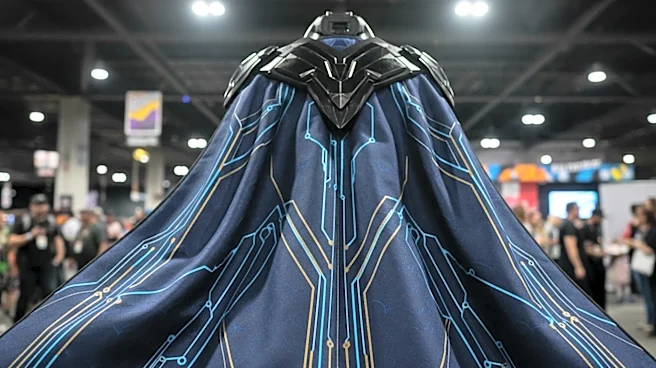
The origin story of convention fashion begins with cosplay. For decades, dedicated fans have meticulously recreated the costumes of their favorite characters, honing skills in sewing, fabrication, and
design. Initially, this was a passionate, non-commercial act of fandom. But as conventions grew, so did the ambition of these creators. The leap from wearing a perfect costume to selling an inspired piece of clothing was a natural one. These self-taught designers realized that the same community that admired their screen-accurate cosplay also craved ways to incorporate their fandom into their daily lives. This created the perfect opening for a new kind of merchandise: clothing that was inspired by, but not identical to, the source material.
The Rise of the Artist Alley
The physical heart of this new economy is the Artist Alley. Once a humble section for comic artists to sell prints and sketches, these areas have transformed into sprawling marketplaces. Today, they are packed with creators selling everything from enamel pins and keychains to full-fledged fashion lines. For a budding designer, an Artist Alley table is a low-risk, high-reward entry into the market. It bypasses the enormous costs and gatekeeping of traditional fashion and retail, offering a direct line to a captive audience that is not only present but actively looking to spend money on unique, fan-centric products. The feedback is immediate, the community is supportive, and a successful weekend at a major con can provide the capital and confidence needed to build a brand.
The 'Geek Chic' Revolution
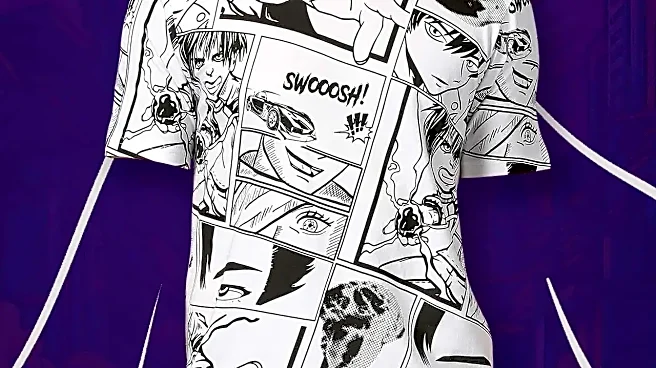
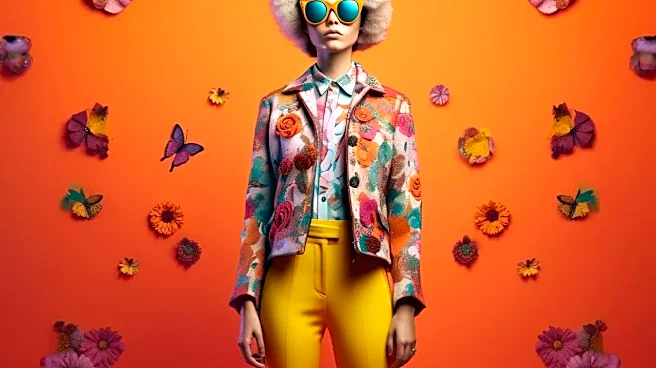
The driving force behind this market is a style often called "geek chic" or "subtle merch." Modern fans don't always want to wear a T-shirt with a giant movie logo on it. Instead, they seek fashion that acts as a secret handshake—a cleverly designed dress that uses the color palette of a favorite character, a jacket with an embroidered emblem only another fan would recognize, or jewelry that references a key plot item. This approach allows fans to express their identity in a more sophisticated, work-appropriate way. Independent designers excel at this, creating deeply thoughtful pieces that resonate with the nuances of a fandom in a way mass-produced merchandise rarely can. They are, after all, fans themselves.
A Business Launchpad
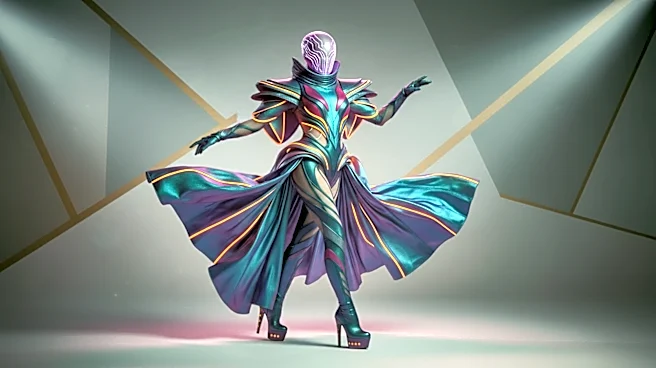
Beyond a simple sales floor, conventions have become multifaceted business incubators. Events like the Her Universe Fashion Show at San Diego Comic-Con, hosted by founder and voice actress Ashley Eckstein, offer aspiring designers a high-profile platform to showcase their couture creations. These shows, which blend runway fashion with fan culture, provide incredible exposure and can lead to professional opportunities, including designing collections for major brands. For many, the convention circuit serves as a primary source of income and a testing ground for new products. It’s where they can build a loyal following, connect with collaborators, and gain the business acumen needed to transition from a passion project to a sustainable career. While it's not always a full-time living from tables alone, it's a vital slice of the creator economy.