


First, Understand Your Waves
Not all waves are created equal. Type 2 hair is categorized into three main groups: 2A hair has a gentle, loose S-pattern and is often fine. Type 2B waves are more defined, starting from the mid-lengths of the hair. Type 2C features a distinct S-shape
right from the roots and can be thick and prone to frizz. Identifying your pattern is the first step, as it dictates the weight of the products you should use. Fine 2A waves are easily weighed down by heavy creams, while coarser 2C hair might need more substantial moisture.
Rethink Your Entire Wash Day
The foundation of great waves is a gentle cleansing routine. Washing too often or with harsh sulfate shampoos can strip your hair of its natural oils, leading to dryness and frizz. Aim to wash just two or three times a week with a sulfate-free shampoo, focusing the product on your scalp. When you rinse, use lukewarm water instead of hot, which can also strip moisture. A final cool rinse can help seal the hair cuticle, adding shine and reducing frizz. Instead of aggressively rubbing your hair dry with a regular towel, gently squeeze out excess water with a microfiber towel or an old cotton T-shirt to prevent breakage and protect your wave pattern.
The Secret to Lasting Hydration
Hydrated waves are defined waves. The secret isn't just using conditioner, but how you use it. After cleansing, apply a generous amount of conditioner and detangle gently with your fingers or a wide-tooth comb while the hair is still slippery. Then, try the “squish to condish” method: with your hair flipped upside down, cup water in your hands and scrunch it upwards into the hair. This encourages the hair shaft to soak up water and conditioner, forming hydrated wave clumps. After a partial rinse, apply a lightweight leave-in conditioner to soaking wet hair to lock in that moisture before you even think about styling.
Style for Definition, Not Crunch
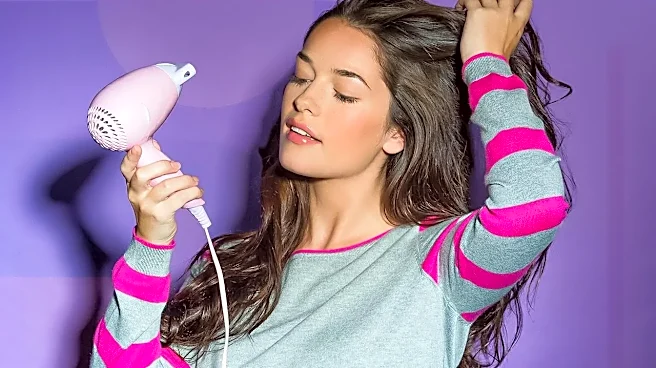
The biggest mistake wavy-haired individuals make is applying styling products to damp or nearly dry hair. For maximum frizz control and definition, your hair should be very wet. Glaze a lightweight gel or mousse over your waves, then scrunch gently towards the scalp. This creates a “cast,” a protective shell that holds your wave pattern as it dries. You can either air-dry or use a diffuser on low heat and low speed, holding it to dry sections without moving it around too much. Once your hair is 100% dry, gently “scrunch out the crunch” by clapping or scrunching your hair to break the gel cast, leaving you with soft, touchable, and defined waves.
Master the Protein-Moisture Balance
If your routine is solid but your waves are still limp or brittle, you may have a protein-moisture imbalance. Hair needs both to be healthy. If your waves feel mushy, overly soft, and won't hold a shape, you likely have moisture overload and need a protein treatment. If your hair feels dry, straw-like, and brittle despite using conditioner, you might have too much protein and need to focus on moisturizing, protein-free deep conditioners. Learning to read your hair’s needs—and alternating between hydrating and strengthening treatments—is the ultimate hidden technique for consistently beautiful waves.