






The Loneliest Walk in Sports
It begins with the walk from the center circle. To a player, this 50-yard stroll can feel like a mile. The stadium noise fades into a dull roar, and an intense, primal spotlight focuses on them. Sports psychologists call this a classic “threat vs. challenge”
scenario. An elite player sees the penalty as a challenge—an opportunity to be a hero. Their body enters a “challenge state,” with blood flowing efficiently to the brain and muscles. An anxious player, however, perceives a threat—the possibility of catastrophic failure. Their body reacts with a fight-or-flight response, constricting blood vessels, tensing muscles, and flooding the brain with cortisol. This “threat state” is what leads to the fluffed shots and skied efforts that live on in infamy. The goal, once a 192-square-foot target, suddenly seems to shrink to the size of a mail slot as the fear of missing outweighs the desire to score.
The Goalkeeper’s Impossible Choice
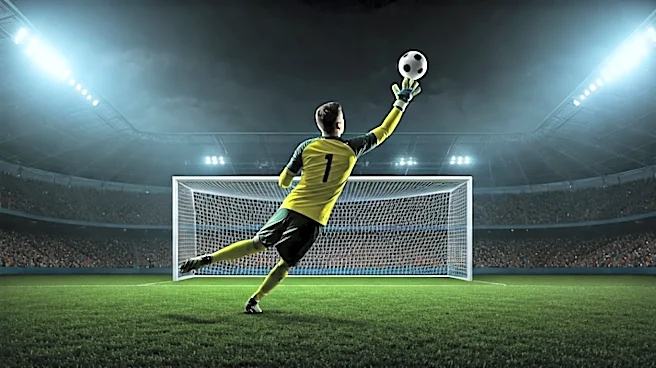
From 12 yards out, a well-struck soccer ball reaches the goal line in less than half a second. It is physically impossible for a goalkeeper to wait, see where the ball is going, and then react in time to make a save. So, they have to guess. This isn’t a wild shot in the dark, though; it’s a game of high-speed probability. Goalkeepers study shooters’ histories, watch for tells in their run-up and body shape, and play mind games. But they’re also susceptible to cognitive biases. One is the “action bias”: the overwhelming feeling that they must do *something*. Statistically, staying in the center is a surprisingly effective strategy, as many nervous players opt for a safe, central shot. Yet, keepers rarely do it. Why? Because diving heroically and missing feels far better than standing still and watching the ball fly past. They also fall for the “gambler's fallacy,” thinking if the last two kicks went left, the next is surely due to go right. The shooter knows this, and the mental chess match begins.
A Stadium Full of Distractions
The crowd isn’t just a backdrop; it’s an active participant in this psychological drama. The visceral roar for the home team’s kicker and the deafening whistles and jeers for the opponent are designed to disrupt focus. Research by sports psychologist Geir Jordet found that players who are visibly distracted or hurried by the goalkeeper’s antics or crowd noise are significantly more likely to miss. One of his key findings involves celebration: teams whose players take a moment to celebrate a successful kick with their teammates before returning to the halfway line tend to win shootouts more often. This small act projects confidence and puts pressure back on the opposition. Conversely, a player who rushes back, head down, signals anxiety. Even the time a player takes to place the ball matters. Those who rush the process often fail, while those who take a deep, centering breath—controlling the only thing they can in that moment—dramatically increase their chances of success.
The Power of Ritual and Routine
Watch any penalty taker closely, and you’ll see a ritual. It might be the number of steps they take back, the way they meticulously place the ball with the logo facing up, or the specific exhale they take just before their run-up. These aren’t just quirky superstitions; they are crucial psychological coping mechanisms. In a moment of extreme chaos and external pressure, a personal routine creates a small bubble of control and predictability. It helps automate the process, shifting the player’s focus from the terrifying outcome (“What if I miss?”) to a familiar sequence of actions (“I will take five steps back, breathe, and approach the ball just like I have a thousand times in practice”). This automation helps bypass the overthinking, analytical part of the brain that can seize up under pressure, allowing muscle memory to take over. When a player sticks to their routine, they are, in effect, transporting themselves back to the safety of the training ground.