




The Tired Trope of the Hero Pose
You can picture it with your eyes closed. A superhero lands, one knee down, one fist planted on the ground, head looking up with grim determination. It’s the “three-point landing,” a visual shorthand so common it’s become a running gag. Or maybe it’s the majestic
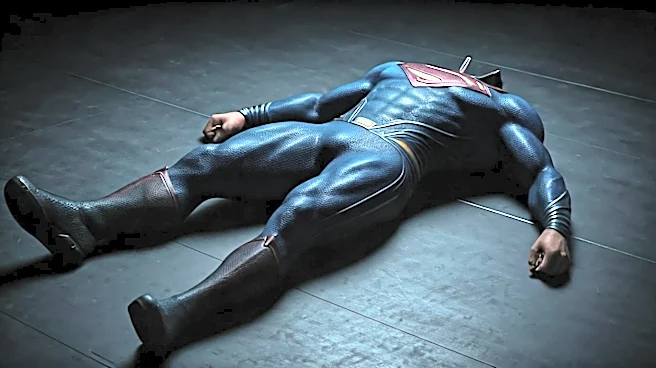
flight pose: soaring through the clouds, cape billowing, an icon of hope and power. For decades, from Christopher Reeve’s Superman to the entire roster of the MCU, these hero shots have been the default language of cinematic power. They serve a purpose, of course. They are splash-panel moments brought to life, designed to communicate strength, grace, and invincibility in a single, instantly recognizable frame. They look great on a poster and sell tons of merchandise. But they’ve also become a cliché. The hero shot often feels less like an expression of character and more like a mandatory item on a blockbuster checklist. It’s a pose that signifies a hero, but it rarely tells you anything specific about the person striking it.
This Isn't Your Typical Supergirl
The key to understanding why a new approach is needed lies in the source material for Alcock’s film: Tom King and Bilquis Evely’s brilliant comic series, *Supergirl: Woman of Tomorrow*. This is not the bright, optimistic Kara Zor-El often depicted on screen. This Kara is emotionally scarred and world-weary. Having grown up on a fragment of Krypton that survived the planet’s destruction, she witnessed horrors and hardships her cousin Kal-El never did. When we meet her, she’s just turned 21 and is trying to get drunk in an alien dive bar, armed with a sword and a deep-seated cynicism. She’s not a bubbly cheerleader; she’s a hardened survivor grappling with trauma and a sense of displacement. Her heroism is reluctant, messy, and fueled by a simmering rage that she constantly struggles to control. She’s less of a pristine symbol and more of a frayed nerve ending. For this character, the classic, clean, and triumphant hero pose would feel like a complete betrayal of who she is.
The Power of a Weary Stance
So, what’s the alternative? The production choice that would perfectly capture this Supergirl is to redefine her “hero shot” as a moment of weary defiance, not majestic power. Forget the graceful ascent into the sky. Instead, picture this: the fight is over. Kara is standing in the alien mud, splattered with gore, leaning heavily on her sword like a crutch. Her suit is torn. She isn’t looking up at the sky; she’s staring down her defeated foe, breathing heavily, looking utterly exhausted but unbroken. This isn't a pose of invulnerability. It's a portrait of endurance. It says, “I won, but it cost me something.” This kind of shot privileges character over spectacle. It would instantly communicate the core themes of the *Woman of Tomorrow* story: survival, trauma, and the gritty reality of being a hero in a universe that is anything but black and white. Milly Alcock, known for playing the fiery and complex Rhaenyra Targaryen, has already proven she can convey immense strength and vulnerability simultaneously. A hero shot that reflects this duality would be a perfect match for her talents.
A Statement of Intent for the New DCU
Choosing to frame its new Supergirl this way would be more than just a cool aesthetic choice. It would be a powerful statement of intent for James Gunn’s entire DC Universe. It would signal to the audience that this new era is committed to character-driven storytelling that isn’t afraid to get its hands dirty. It would be a declaration that the DCU is moving away from the generic, interchangeable visual grammar of its predecessors and toward a style that is tailored to the specific psychology of its heroes and villains. In a crowded market of capes and cowls, distinguishing your flagship characters is everything. By giving Milly Alcock’s Supergirl a hero shot that reflects her exhaustion and resilience rather than just her power, DC would immediately establish her as one of the most compelling and grounded figures in the genre. It’s a small choice that could have a massive impact, defining the tone of the film and the character for years to come.