








Old Hollywood on the New Carpet
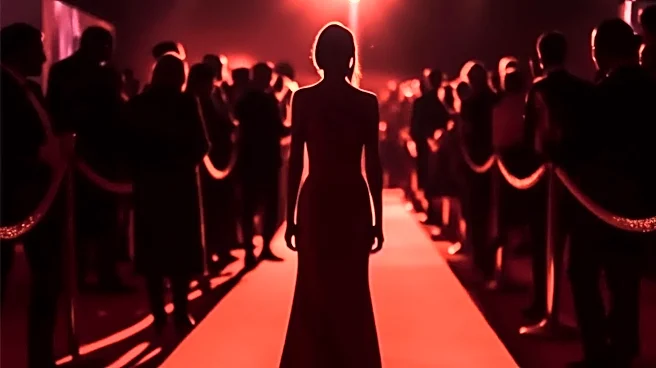
As stars descended on Toronto for the 2026 festival, the usual buzz around custom gowns from major fashion houses was met with a different kind of energy. While current-season looks from designers like Celine and Tony Ward certainly made a splash, the real
fashion conversation is increasingly driven by archival pieces. This isn't just about wearing a pretty old dress; it's a calculated choice. Celebrities and their stylists are digging into the archives of designers like Versace, Givenchy, and Thierry Mugler, pulling out museum-quality pieces that haven't been seen in public for years. This shift turns the red carpet from a simple showcase of new products into a curated exhibition of fashion history, where a 25-year-old Tom Ford for Gucci design can generate more buzz than a gown fresh off the runway.
More Than Just an Old Dress
So, why the sudden reverence for the past? For one, it’s about individuality. In a world saturated with trends, wearing a vintage piece is the ultimate statement of personal style and fashion literacy. It telegraphs that the wearer has a story to tell, one that connects to a specific moment in cultural history. There’s also a growing appreciation for sustainability. Opting for a pre-existing gown is seen as a more conscious choice than commissioning a new one, a message that resonates with a younger, more environmentally aware audience. But most powerfully, vintage offers narrative depth. A stylist can use an archival look to pay homage to a designer's legacy or to visually connect an actor’s role to a particular aesthetic, turning a press tour into a form of performance art.
The Red Carpet's Unwritten Rules
Traditionally, the red carpet is a high-stakes marketing machine. Brands loan multi-million dollar gowns to A-listers in exchange for priceless exposure, hoping to drive sales for their current collections. The phrase "Who are you wearing?" isn't just a casual question; it's the engine of a massive commercial ecosystem. Stylists build their careers on their relationships with brands, and gaining access to a major house's latest collection is a mark of influence. The ultimate status symbol for a stylist used to be securing a custom creation. This entire system is predicated on one thing: newness. The media cycle demands it, designers rely on it, and for decades, it’s what made the red carpet go 'round.
Where Vintage Disrupts the System
Herein lies the complication. When a star chooses a vintage gown, no current collection gets promoted. The brand behind the archival piece gets a moment in the spotlight, but it's for a product that can't be purchased. This disrupts the transactional nature of red carpet dressing. It prioritizes the wearer's personal brand over the designer's commercial interests. Furthermore, it changes the power dynamic. Accessing a brand's historical archive is now seen as an even greater sign of influence than pulling a new runway look, a shift that complicates relationships between stylists and fashion houses. While brands benefit from the renewed prestige, the immediate commercial payoff is gone, forcing them to rethink how they leverage these major cultural moments. The demand for “something new” is being met with “something historic,” and the industry is still figuring out how to adapt.