






The Allure of the Open Scoreboard
In a nation raised on the rhythms of basketball and football, where scores regularly climb into triple digits and touchdowns are worth six points, the concept of a 90-minute struggle for a single goal can seem baffling. It’s a common refrain: where are the points?
The perception is that low scores equal low action and low excitement. But in soccer, especially in high-stakes cup competitions, the scarcity of goals is often a direct result of the immense tactical discipline and defensive organization on display. While an avalanche of scoring provides its own kind of thrill, appreciating a tense, low-scoring soccer match requires shifting your focus from the scoreboard to the strategic chess match happening between the coaches and players.
The Fortress: Mastering the Low Block
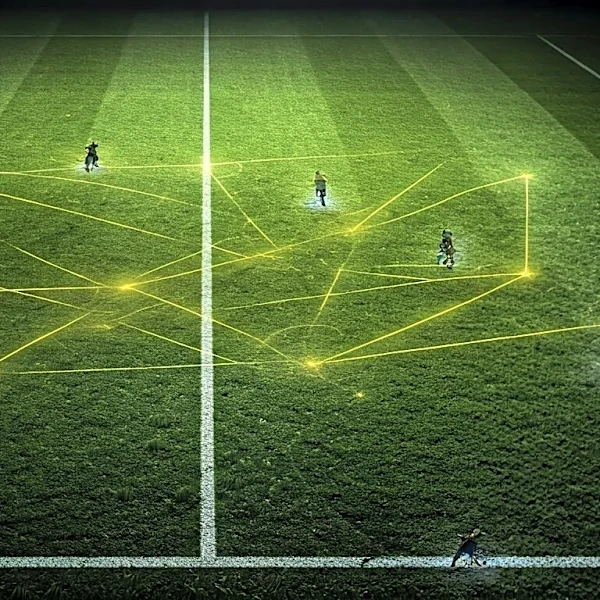
One of the primary reasons for tight, low-scoring affairs is the successful implementation of a "low block." This is a defensive strategy where a team sits deep in its own half, maintaining a compact and organized shape to deny the opponent space in dangerous areas. It's often unfairly maligned as “parking the bus,” but a well-executed low block is a masterclass in collective discipline, communication, and concentration. The defending team forms a fortress, forcing attackers to the outside, blocking passing lanes, and frustrating possession-heavy teams into taking low-percentage shots from a distance. This tactic, with roots in the famous Italian 'Catenaccio' (door-bolt) system, is designed to absorb pressure and spring lethal counter-attacks when the opponent overcommits.
Defense as an Offensive Weapon
Modern defensive tactics are not just about preventing goals; they are about creating them. High-intensity pressing systems, for instance, are designed to put immediate pressure on the opponent as soon as they get the ball, aiming to force mistakes in their own half. A coordinated press acts as a trap, and a successful turnover can lead to a sudden, devastating counter-attack against a disorganized defense. This turns defensive actions—a tackle, an interception—into the first step of an offensive play. Teams that master this can control a game without controlling the ball, understanding that a well-timed defensive intervention can be more valuable than dozens of completed passes.
The Knockout Tournament Pressure Cooker
Nowhere are these tactical battles more pronounced than in the knockout stages of a cup competition like the FIFA World Cup or the UEFA Champions League. Unlike a league season where a loss can be absorbed over a long campaign, a single goal in a knockout match can mean the end of a dream. This single-elimination pressure dramatically changes the strategic calculation. The fear of conceding a goal often outweighs the ambition to score one. A single mistake can be fatal, so teams naturally become more cautious, more organized, and less willing to take risks. This environment elevates the tactical struggle, as managers know that a solid defensive structure is the foundation upon which championships are built.
From Chess Match to Thriller
The tension of a low-scoring game comes from the knowledge that at any second, one moment of brilliance or one costly error could decide everything. The longer the score remains 0-0 or 1-0, the higher the stakes become. It’s a 90-minute psychological tightrope walk. Every corner kick feels monumental, every tackle in the box is fraught with danger, and every breakaway run has the potential to be the defining moment of the match. While a 4-3 game is an obvious thriller, the 1-0 chess match has a different kind of suspense—a slow-burn tension that explodes into either pure elation or heartbreak. The low score doesn't mean nothing happened; it means everything that happened was balanced on a knife's edge.